Viking Wedding Traditions A Majestic Journey Through Norse Nuptials

A Viking wedding was more than a romantic union. It was a sacred bond that brought together families, honored ancestors, and celebrated love under the eyes of the Norse gods. In Viking culture, marriage was both a personal and political event, woven with rituals, symbols, and feasts that carried deep meaning. From handfasting to sword exchanges, every tradition reflected strength, loyalty, and the merging of two destinies.
The Meaning of Marriage in Viking Culture

Viking marriages were not simply about two individuals but about connecting entire clans. A marriage symbolized peace, prosperity, and alliances between families. The union carried great responsibility, with the couple representing harmony and the continuation of family honors. If you’re interested in Polish Wedding Traditions click here to learn more.
The Betrothal and Family Agreements
Before a Viking wedding, both families engaged in a formal agreement known as betrothal. They discussed dowries, alliances, and property arrangements. Gifts such as jewelry, swords, or livestock were exchanged, symbolizing trust and commitment. The betrothal was considered binding and marked the start of the wedding preparations.
Choosing the Auspicious Wedding Day
Viking wedding traditions
Vikings believed timing was sacred. Most weddings were held in summer, when travel and feasting were easier. Fridays were the most favored day, dedicated to Freyja the goddess of love, beauty, and fertility. Marrying under her blessing was believed to ensure a fruitful and joyful union.
Pre-Wedding Purification Rituals
Before the ceremony, both bride and groom underwent cleansing rituals. The bride bathed in natural water to symbolize purity, while the groom retrieved his ancestral sword from a burial mound to honor his lineage. These acts cleansed their spirits and prepared them for a sacred bond blessed by the gods.
The Bride’s Attire and Symbolism
A Viking bride wore a hand-woven gown, often blue, red, or green, adorned with beads, brooches, and embroidery. Her hair, usually left loose, was covered with a bridal crown made of gold, silver, or flowers a sign of purity and readiness for marriage. Her beauty represented the honor and prosperity of her family.
The Groom’s Preparations and Attire

The groom dressed in his finest tunic, fur cloak, and boots. He carried his sword to symbolize protection and leadership. Friends and family blessed him with mead and good wishes before the ceremony. Every detail from his belt buckle to the blade he carried reflected strength, honor, and pride. If you like this theme, you’ll also love Italian Wedding Traditions
The Sacred Ceremony and the Blessing of the Gods

The Viking wedding ceremony was often held outdoors in forests, by rivers, or near sacred stones. A priest known as a gothic performed the rituals, calling upon gods like Thor, Freyja, and Odin to bless the couple. Offerings of food, mead, or animal sacrifice were made to invite divine favor and protection.
The Exchange of Swords and Rings
One of the most symbolic acts of a Viking wedding was the exchange of swords. The groom gave his ancestral sword to his bride, representing the trust of his family and the continuation of lineage. In return, the bride gifted a new sword to her husband, symbolizing their shared future. Rings were placed upon the sword’s hilt as they exchanged vows.
The Handfasting Ritual

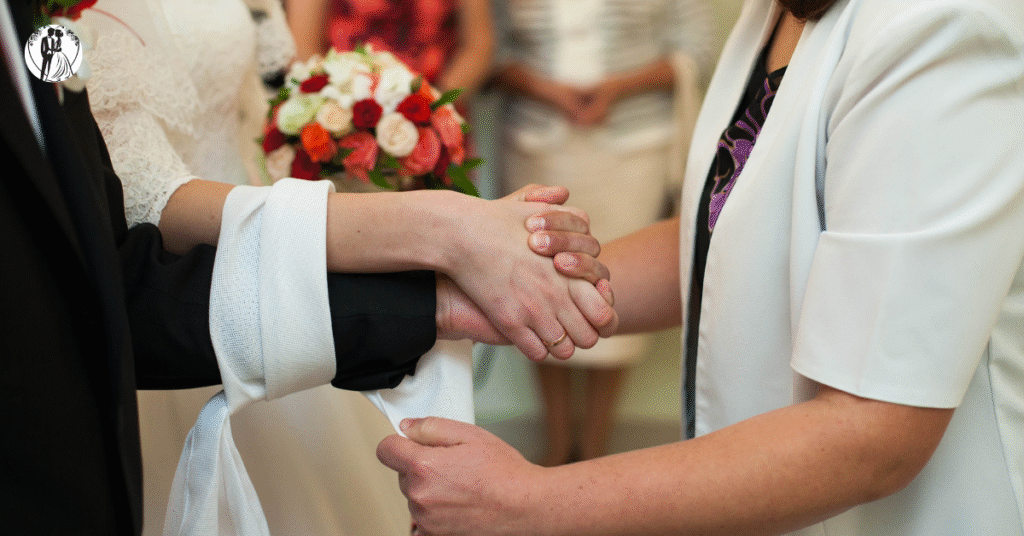
The couple’s hands were bound together with a cord or ribbon to symbolize unity, equality, and eternal connection. This act gave rise to the phrase “tying the knot.” The cords were often decorated with runes or colors representing love, protection, and prosperity a tangible symbol of their shared destiny.
The Grand Viking Wedding Feast
After the ceremony, the celebration began with a magnificent feast that could last for days. Mead flowed freely, and tables were filled with roasted meats, bread, cheese, and fruits. Guests sang songs, told heroic sagas, and toasted the couple’s happiness. The feast was not just a party it was a public declaration of alliance and honor.
The Role of Women and the Power of Partnership
In Viking society, women had notable rights and respect. A wife could own property, manage the household, and even divorce if treated unjustly. Marriage was viewed as a partnership built on mutual trust and shared duty. A Viking woman was seen as the heart of the home and the keeper of family honor.
The Legacy of Viking Wedding Traditions Today

Modern couples often embrace elements of Viking weddings for their symbolism and romance. Handfasting rituals, outdoor ceremonies, and mead toasts are now common in Norse-inspired celebrations. These traditions remind us that true love is about balance, respect, and the courage to face life’s challenges together values that have endured for centuries.