Average Wedding Dress Cost: What Brides Really Pay
Every bride dreams of that perfect gown the one that makes her feel radiant, confident, and unforgettable. But before you can walk down the aisle in your dream dress, one question always comes first: how much does a wedding dress really cost?

The truth is, wedding dress prices can vary widely. From simple, budget-friendly gowns to high-end designer pieces, the price range can be surprising. Understanding the average cost and what factors influence it
can help you plan your wedding budget wisely without compromising your vision.
Let’s explore everything that goes into the price of a wedding dress, from fabrics and designers to alterations and hidden costs.
1. The Average Wedding Dress Cost
On average, wedding dresses cost between $1,800 and $2,500. However, this number can shift depending on where you shop, what designer you choose, and how much customization you want.
Here’s a quick overview of price ranges:

- Budget dresses: $300 – $800
- Mid-range gowns: $1,000 – $2,500
- Designer or couture gowns: $3,000 – $10,000+
A dress from a well-known boutique or designer collection will cost more, while off-the-rack or online options may fall on the lower end of the scale.
But remember: your dream dress doesn’t have to come with a dream-sized price tag beauty and elegance come in every budget. If you want to explore Maid of Honor Speech Quotes, check this out.
2. Why Wedding Dresses Are Expensive
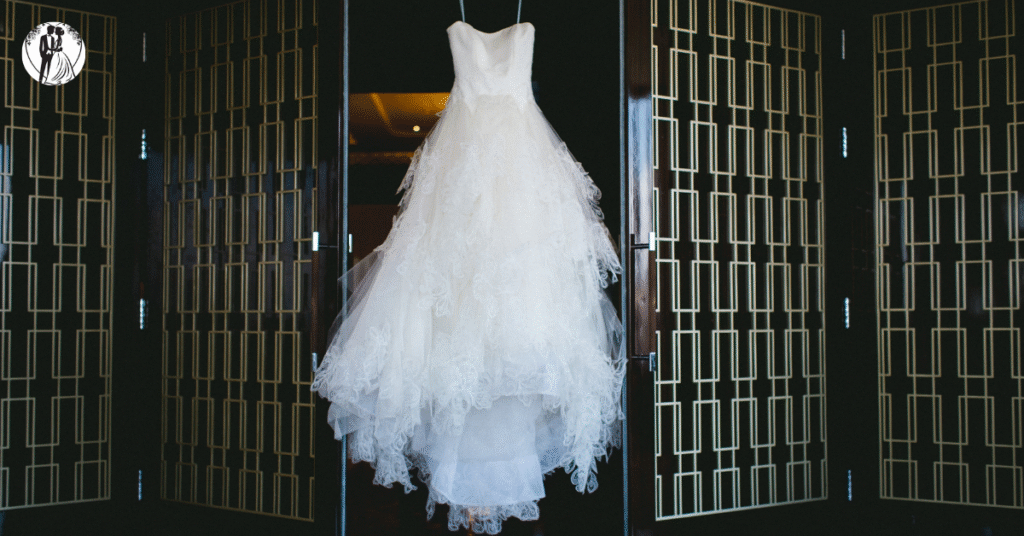
A wedding gown isn’t just another outfit it’s a piece of art. Each one involves detailed craftsmanship, delicate fabrics, and hours of handwork.
Here’s what makes them so costly:
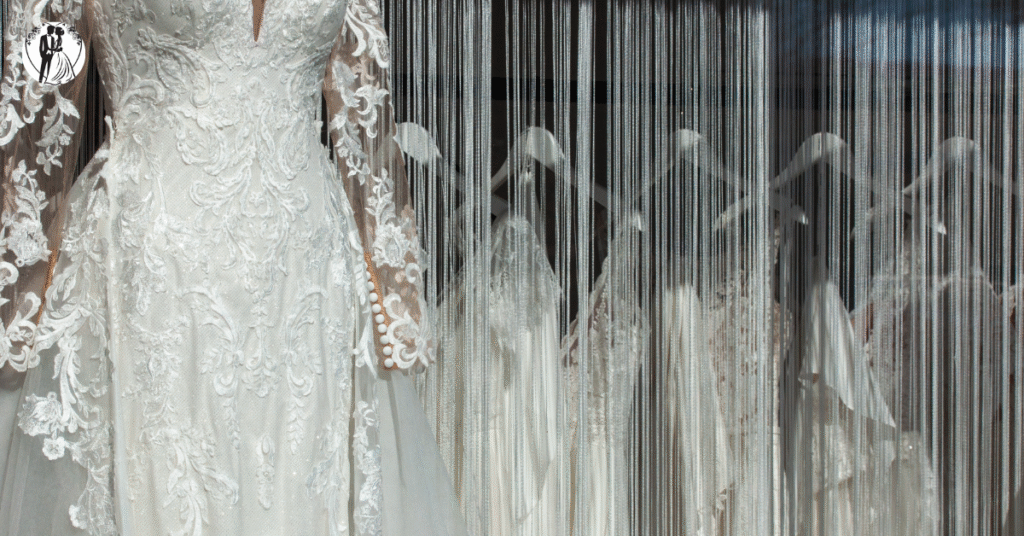
- Premium materials: Silk, lace, and chiffon are much more expensive than synthetic fabrics.
- Hand detailing: Beading, embroidery, and appliqués require hours of manual work.
- Design and brand: Big-name designers charge more for their reputation, style, and exclusivity.
- Customization: Adjustments and design changes take extra time and skill.
- Production: Dresses made in small batches or by hand often come with higher costs.
Essentially, you’re paying for artistry, time, and fine detail all of which create that one-of-a-kind bridal magic.
3. How Dress Styles Affect the Price
Your choice of dress style also affects how much you’ll pay. Some silhouettes require more fabric or structure, while others are simpler and more affordable.

Here’s how popular styles compare:
- Ball Gown: Full skirt and dramatic volume; usually starts around $1,500.
- A-Line: Universally flattering and moderately priced, around $800 – $2,000.
- Mermaid/Trumpet: Curve-hugging fit that needs expert tailoring, $1,500 – $3,000+.
- Sheath: Sleek and minimal, typically $700 – $1,800.
- Tea-Length or Short Dresses: Casual, fun, and often under $1,000.
In short, the more structure and detail your dress has, the more it will cost.
4. Designer vs. Off-the-Rack
When it comes to wedding dresses, brides usually fall into two categories: designer shoppers and off-the-rack shoppers.
Designer Dresses
- High-end craftsmanship and customization
- Luxury fabrics and attention to every detail
- Starting price: around $3,000
Off-the-Rack Dresses
- Ready-made and more affordable
- Ideal for brides with short timelines
- Cost range: $400 – $2,000
There’s also a happy middle ground semi-custom gowns, where brides can tweak certain details without paying for full couture prices.
5. The Cost of Alterations and Customization
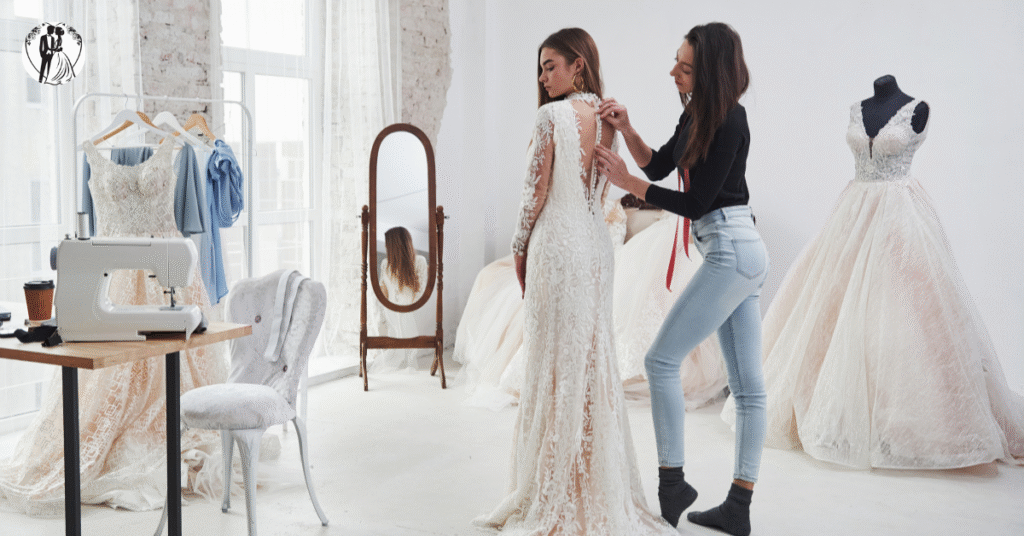
Even if your dress fits perfectly in the store, you’ll likely need a few alterations. These costs are often overlooked when budgeting for a wedding gown.
Here’s what you can expect:

- Basic alterations (hemming, adjusting straps): $150 – $400
- Moderate changes (adding sleeves, modifying shape): $500 – $800
- Major customizations: $1,000 or more
Since every dress and body is unique, plan for at least two to three fittings before the big day.
6. Hidden Costs You Should Expect
Beyond the price tag, a few extra expenses often sneak into the total wedding dress budget. Here are the most common:

- Undergarments: Proper support and shaping — $50 – $200
- Veil and accessories: Veils can range from $100 to $600
- Shoes and jewelry: Usually between $150 – $400
- Dry cleaning and preservation: After the wedding, cleaning can cost $150 – $300; preservation $250 – $500
All these details combined can easily add $500 to $1,000 to your total bridal look.
7. Dress Prices Around the World
Your location has a huge impact on how much your wedding dress costs. Boutique pricing, taxes, and import fees can all influence the final bill.

Here’s an overview of average ranges in different regions:
- United States: $1,800 – $2,500
- United Kingdom: £1,300 – £2,000
- Canada: CA$2,000 – CA$2,800
- Australia: AU$2,000 – AU$3,000
- South Asia (Pakistan, India, Bangladesh): PKR 100,000 – PKR 400,000 or INR 50,000 – INR 200,000
Local designers and small boutiques often provide excellent craftsmanship at more affordable prices.
8. Smart Ways to Save on Your Wedding Dress
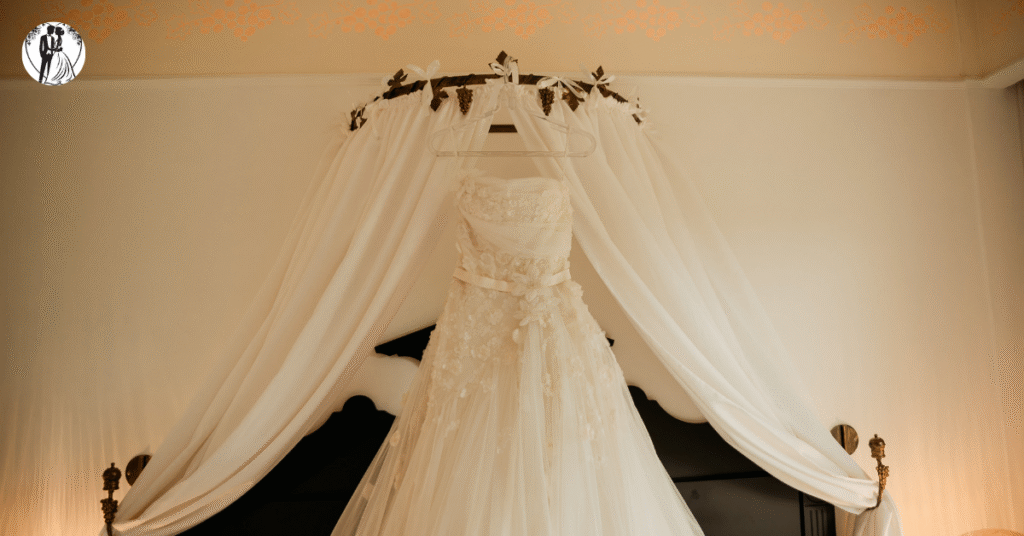
A stunning dress doesn’t have to break the bank. Many brides save thousands by shopping strategically.
Here’s how:
- Buy during sample sales: Boutiques offer 30–70% discounts on floor samples.
- Shop off-season: Prices drop between January and August.
- Consider pre-owned dresses: Many brides resell their gowns in excellent condition.
- Rent your gown: Ideal for budget-conscious brides who value practicality.
- Simplify the design: Minimalist gowns are timeless and often more affordable.
- Work with local designers: You’ll often get a custom piece at a lower cost.
Saving smartly doesn’t mean sacrificing beauty it means finding value where it counts.
9. Top Wedding Dress Designers and Price Ranges
If you dream of wearing a designer gown, here’s a look at popular designers and what you can expect to spend:

- Vera Wang: $3,000 – $10,000+
- Pronovias: $2,000 – $6,000
- Maggie Sottero: $1,200 – $3,000
- Jenny Yoo: $800 – $1,800
- BHLDN: $700 – $2,000
- Berta Bridal: $7,000 – $12,000+
- Watters: $1,500 – $3,500
Every brand offers its own aesthetic from romantic and traditional to bold and modern so explore designs that suit your personality.
10. Online vs. In-Store Shopping
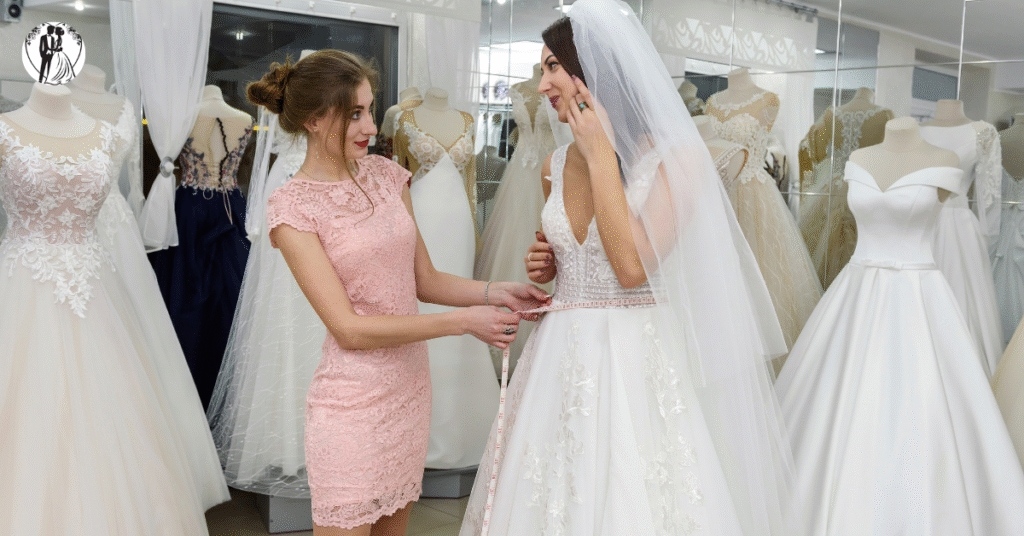
Choosing where to buy your wedding dress is another major decision. Both online and in-store shopping have their pros and cons.
Online Shopping Pros:
- Convenient and often cheaper
- Huge variety
- Easy price comparison
Cons:
- Sizing issues or fabric surprises
- Limited return policies
- No professional fitting
In-Store Shopping Pros:

- Expert advice and fittings
- Ability to see fabrics and details in person
- Easier alterations
If shopping online, read reviews carefully, check size charts, and order early to allow time for any necessary changes.
11. How to Budget for Your Wedding Dress
Setting a clear budget helps you stay stress-free and confident in your decision. A good rule of thumb is to dedicate 10–15% of your total wedding budget to your attire and accessories.

Here’s a simple example:
- $20,000 wedding: $2,000 – $3,000 for dress and accessories
- $10,000 wedding: $1,000 – $1,500
- $5,000 wedding: Around $500 – $700
When budgeting, include everything the dress, veil, shoes, jewelry, and alterations so you don’t face last-minute surprises.
Final Thought
Your wedding dress isn’t just a piece of fabric it’s the symbol of one of the most meaningful days of your life. Whether you choose a $500 gown or a $5,000 designer masterpiece, the most important thing is how it makes you feel.
Don’t chase trends or price tags choose the dress that makes you light up when you see yourself in the mirror. Because in the end, it’s your confidence, your happiness, and your love that truly complete the look.