Planning a wedding is one of life’s most exciting adventures but it can also be overwhelming. Between managing vendors, choosing décor, and sticking to a budget, it’s easy to lose track of details. That’s where a DIY wedding binder becomes your best friend.
A wedding binder isn’t just a folder full of papers it’s your personalized planning system. It keeps everything organized, accessible, and beautifully tailored to your style. Whether you’re a hands-on bride who loves crafting or a couple who wants full control over planning, creating your own binder is a smart, simple, and stress-free solution.
This complete guide will walk you through every step of making and organizing your wedding binder — from setup to final touches — so you can plan your big day with confidence and joy.
1. Why Every Bride Should Have a Wedding Binder
A wedding involves countless moving parts — dates, contracts, invoices, ideas, and decisions. A well-organized binder ensures that nothing slips through the cracks. It keeps your plans in one place, so you can easily track progress and stay on schedule.
More than that, a binder helps you feel in control. When you walk into vendor meetings or budget discussions, you’ll have everything neatly arranged. It’s like having your own wedding assistant in paper form — reliable, efficient, and totally customizable.
2. What You’ll Need to Create Your DIY Wedding Binder
Before you start, gather your materials. The right tools make the process fun and organized. Here’s what you’ll need:
- A sturdy three-ring binder (1.5″ to 2″ size works best)
- Tab dividers for separating sections
- Sheet protectors for contracts and important papers
- Binder pockets or envelopes for loose items
- Printable planning pages (many are available online)
- Stickers, pens, and labels for customization
Optional items include a hole punch, washi tape, and a cover design that matches your wedding theme.
3. Designing Your Wedding Binder Cover
The cover of your binder should make you smile every time you see it. It can feature your names, wedding date, and theme colors. You can design it digitally using Canva or other online tools — or go the traditional route with printed patterns and embellishments.
Consider laminating the cover for durability, especially if you’ll be carrying it to appointments. You can also label the spine so it’s easy to find on a bookshelf or desk. If you want to know about Cocktail Hour Ideas read my other article
4. Must-Have Sections for Every Wedding Binder
A great wedding binder is divided into easy-to-navigate sections. Here are some essential categories you can include:
- Budget Planner – Keep track of expenses, deposits, and remaining balances.
- Guest List – Record RSVPs, meal preferences, and addresses.
- Venue Details – Store contracts, floor plans, and photos.
- Vendors – Collect contact details and agreements for each service.
- Timeline & Checklist – Manage tasks by month or week.
- Bridal Party – Include roles, contact info, and outfit plans.
- Design & Inspiration – Add photos, color swatches, and mood boards.
- Ceremony & Reception – Seating charts, décor details, and music lists.
- Attire – Wedding dress inspiration, fitting notes, and accessories.
- Honeymoon – Packing lists and travel confirmations.
- Contacts & Emergency Info – Quick access to key numbers and planners.
You can always add or remove sections depending on your wedding size and preferences.
5. Creating a Functional Budget Tracker
Budgeting is one of the most important parts of planning a wedding. Within your binder, dedicate a few pages to tracking expenses. Divide your budget into categories such as:
- Venue & catering
- Flowers & décor
- Photography & videography
- Entertainment
- Attire & accessories
- Invitations & stationery
- Miscellaneous
Add columns for estimated costs, actual costs, and payments made. This way, you can easily stay within budget and avoid last-minute surprises.
6. Organizing Your Wedding Timeline
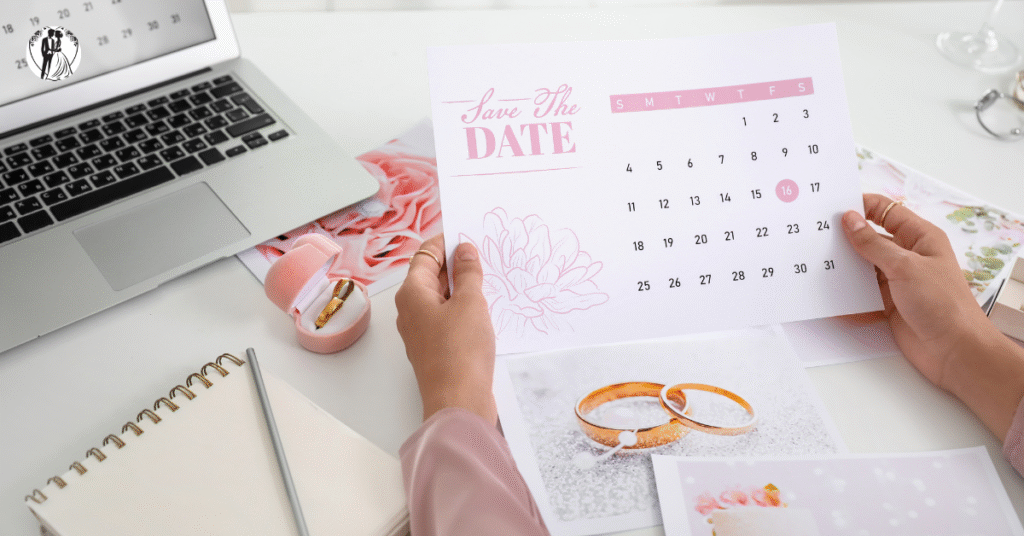
Timing is everything when it comes to weddings. Use your binder to map out a timeline that keeps you on track from engagement to honeymoon.
Here’s a simple breakdown to include:
- 12 months before: Choose a date, create a budget, and book your venue.
- 9 months before: Select vendors and start designing invitations.
- 6 months before: Shop for your dress and plan décor details.
- 3 months before: Finalize catering, flowers, and entertainment.
- 1 month before: Confirm RSVPs, finalize seating chart, and get your marriage license.
- 1 week before: Pack essentials, confirm with vendors, and relax.
Printing this checklist and keeping it in your binder ensures that every milestone stays visible and achievable.
7. Keeping Track of Vendors and Contracts
Vendor management becomes effortless when you use your binder properly. Assign one page per vendor — florist, photographer, DJ, caterer, etc.
Each vendor page can include:
- Contact details (phone, email, address)
- Payment deadlines
- Contract copies
- Meeting notes and preferences
Slip all documents into sheet protectors for safekeeping. You’ll thank yourself later when everything is easily accessible in one place.
8. Gathering Inspiration for Décor and Design
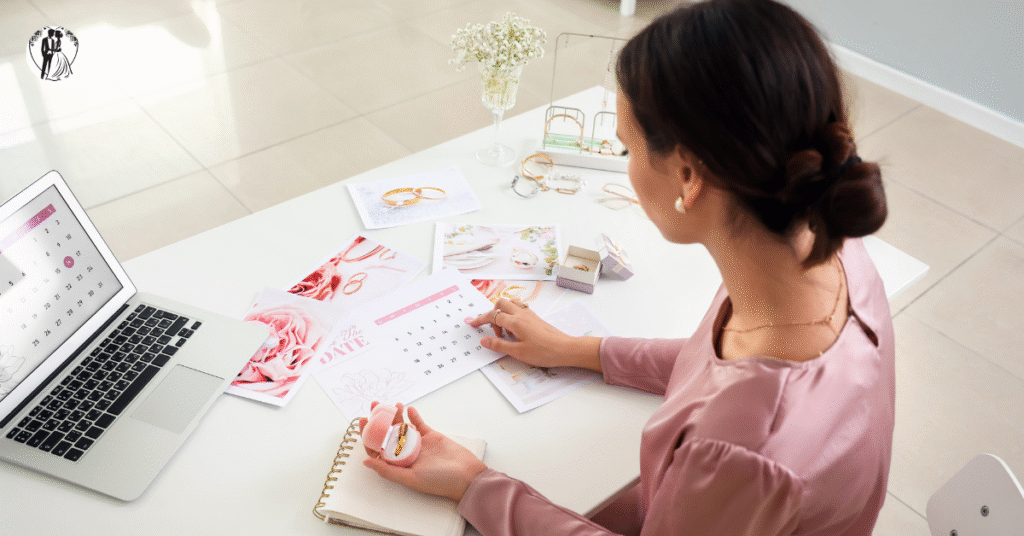
Your binder can double as your creative hub. Print out your favorite Pinterest ideas, magazine clippings, or sketches. This section is where your theme starts to come alive.
You can create mood boards that combine color palettes, floral arrangements, and dress ideas. This visual planning helps you communicate your vision clearly to decorators, florists, and designers.
9. Managing Your Guest List and Seating Arrangements
The guest list can quickly become complicated — but your binder keeps it simple. Create a master list with spaces for each guest’s details:
- Name
- Contact info
- RSVP status
- Meal preference
- Gift received
Once your list is finalized, use a seating chart template to arrange tables. Many brides find it easier to use sticky notes so they can rearrange guests without rewriting the list.
10. Preparing for the Big Day
Include a “Wedding Week” section in your binder for last-minute details and checklists. You can also create an emergency kit list for quick access:
- Sewing kit
- Safety pins
- Stain remover
- Snacks & water
- First aid items
- Makeup touch-ups
Having everything documented ensures that even if small issues arise, you’re ready to handle them gracefully.
11. Final Thoughts: Why a DIY Wedding Binder is Worth It
Your DIY wedding binder will quickly become your most valuable planning tool. It’s a reflection of your creativity, organization, and the love you’re pouring into this milestone event.
More than just paper and tabs, it’s a keepsake something you’ll look back on with fondness long after your wedding day. Every note, swatch, and page tells part of your story.

Charlotte Pembroke is a British writer and cultural commentator who specialises in the history and evolution of the English language. Raised in Cambridge, England, she built a career around making language and communication more accessible to everyday readers through informative and engaging books. Her writing blends historical facts with modern examples, helping readers appreciate the stories behind common words and phrases. Charlotte has written for educational magazines, participated in literary conferences, and continues to research how language influences society and culture. Outside her professional work, she enjoys reading classic novels, visiting museums, and mentoring aspiring writers.
Books:
- The Hidden Stories of English Words
- Understanding Meaning in Modern Language
 Edward Whitmore
 Oliver Harrington