Reception Only Invitation Wording: A Complete Guide
1. Introduction
Weddings are milestones that bring joy, tradition, and cherished memories. But not every couple chooses to host a full-scale ceremony with hundreds of guests. Many opt for intimate ceremonies or private vows and later host a grand celebration with family and friends. In such cases, reception-only invitations become essential Reception Only Invitation Wording.
These invitations ensure guests know they are invited only to the reception and not to the ceremony. The way the invitation is worded plays a vital role in setting expectations, building excitement, and reflecting the overall tone of the event. Whether formal, semi-formal, or casual, the right wording creates an inviting atmosphere long before the reception begins.

2. What Is a Reception-Only Invitation?
A reception-only invitation is designed for events where the marriage ceremony is either private, already completed, or held at a destination. Guests are invited exclusively to the reception that follows.

This approach is common in several situations:
- Couples who choose a private or family-only ceremony.
- Destination weddings with limited attendance.
- Elopements followed by a celebration at home.
- Couples who want to focus on the party rather than the ceremony.
Such invitations avoid confusion and give guests clarity about what part of the wedding celebration they are being asked to attend.
3. Why Wording Matters in Reception Invitations

The choice of words impacts how guests perceive the event. The right wording should:
- Eliminate confusion: Guests should know it’s a reception-only event.
- Set the tone: Formal, semi-formal, or casual wording matches the type of celebration.
- Show warmth: A thoughtful message makes guests feel valued even if they weren’t part of the ceremony. If you want to explore Philadelphia Wedding Chapels, check this out.
4. Key Elements of a Reception Invitation

Every reception invitation must include certain core details to avoid miscommunication:
- Event type (clearly stating “Reception”)
- Date and time of the reception
- Venue and address
- Dress code (if applicable)
- RSVP instructions
5. Formal Reception Invitation Wording
Formal events call for polished and elegant wording. This style is suitable for black-tie receptions, ballrooms, or high-end venues.

Examples:
- “You are cordially invited to join us in celebrating our marriage at a reception on [date] at [venue].”
- “We request the honor of your presence at our wedding reception as we celebrate love and happiness.”
6. Semi-Formal or Modern Reception Invitation Wording
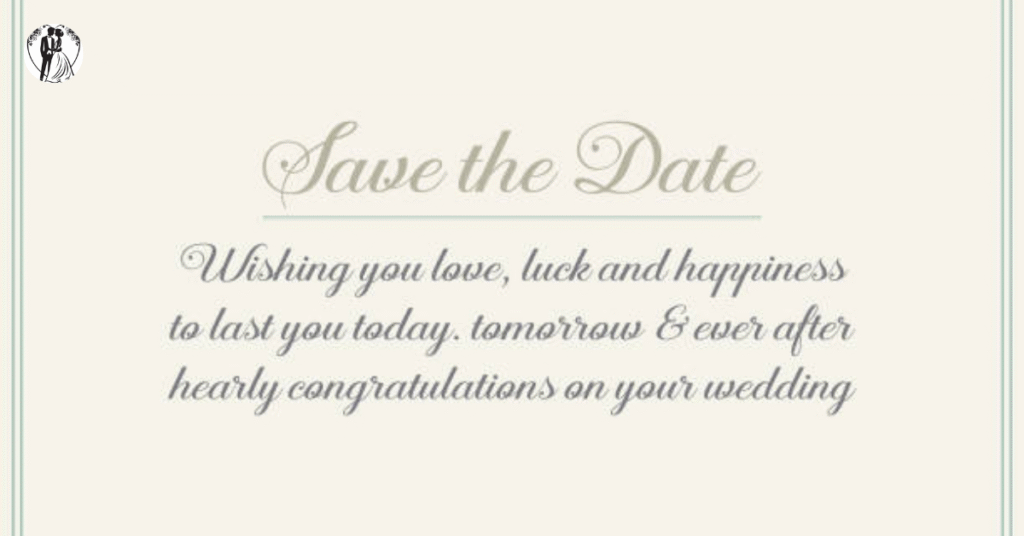
Semi-formal invitations work well for garden parties, hotel receptions, or trendy venues. They maintain elegance while being approachable.
Examples:
- “Let’s celebrate love together! Please join us for our wedding reception on [date] at [venue].”
- “We exchanged vows privately and now look forward to celebrating with you at our reception.”
7. Casual Reception Invitation Wording
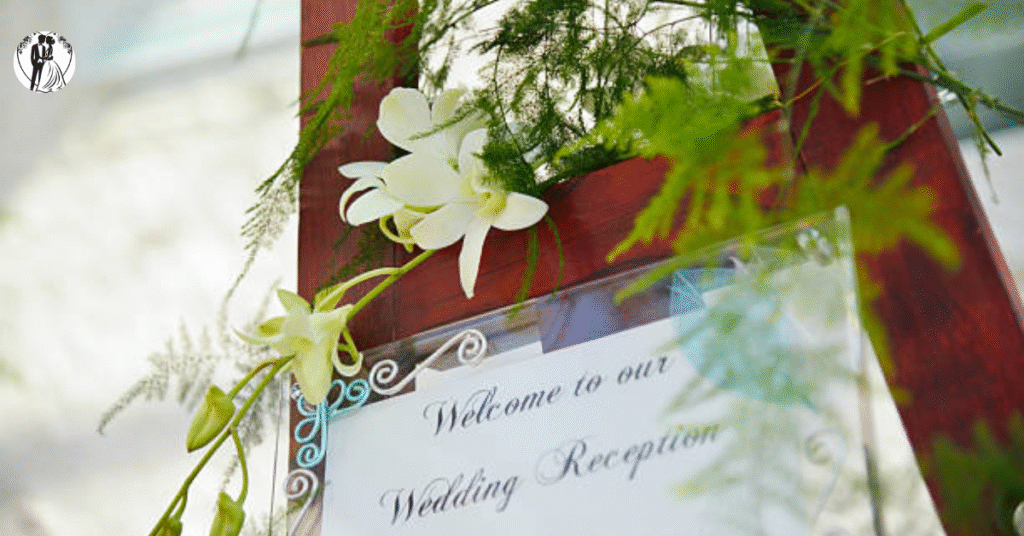
Casual receptions often take place in relaxed settings such as backyards, barns, or beaches. The invitations can be lighthearted and fun.
Examples:
- “We said ‘I do’… now let’s party! Please join us for our reception on [date].”
- “Love, laughter, and happily ever after—come celebrate with us!”
8. Destination Wedding Reception Invitation Wording
Couples who wed at distant locations often host a second reception for those unable to travel. The wording should be inclusive and welcoming.
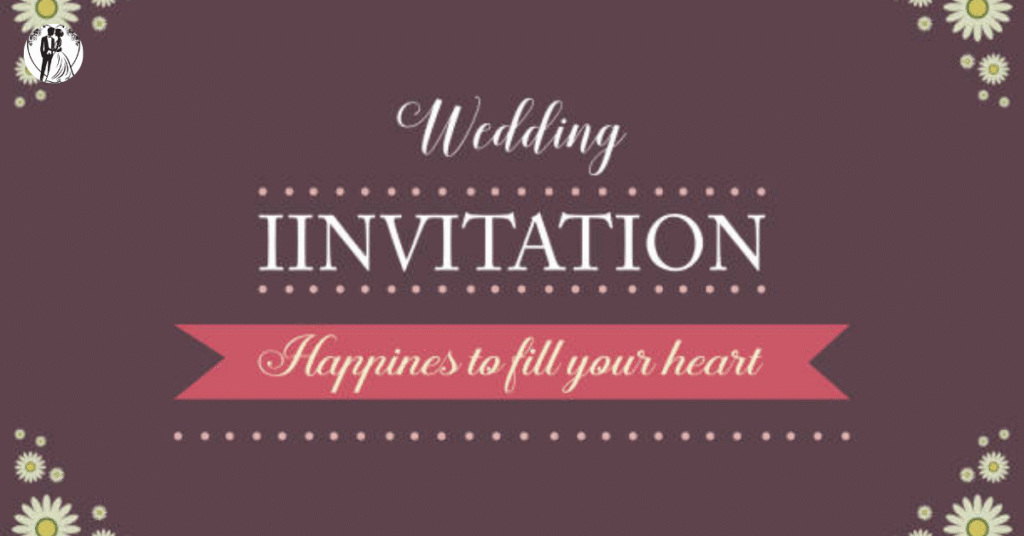
Examples:
- “Although we exchanged vows away, we would love to celebrate with you at our wedding reception.”
- “Please join us for a joyful reception in honor of our marriage.”
9. Elopement Reception Invitation Wording
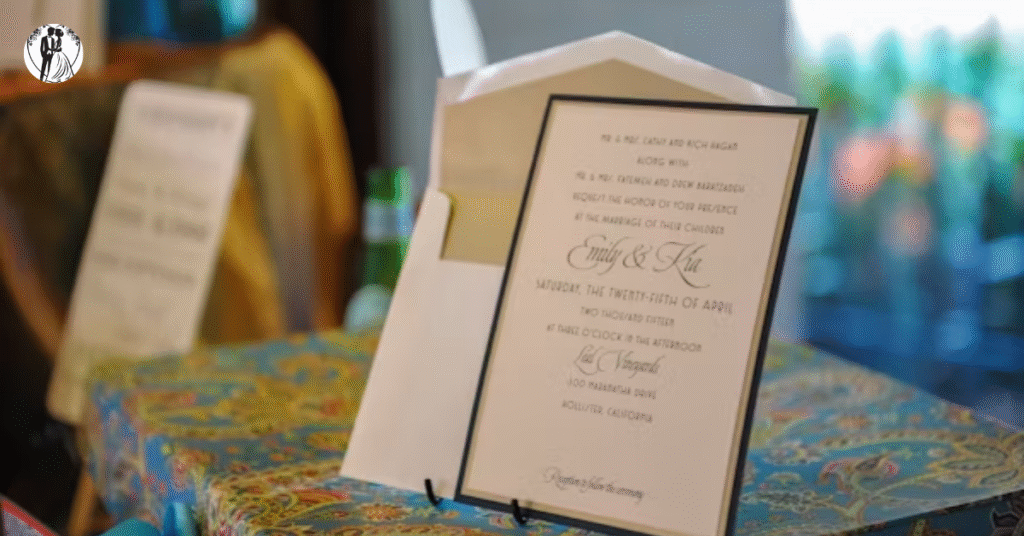
For couples who elope, the reception invitation acknowledges the private ceremony while emphasizing the celebration with loved ones.
Examples:
- “We said our vows privately, but the celebration is for everyone please join us for our reception.”
- “With hearts full of joy, we invite you to celebrate our marriage at a reception on [date].”
10. Religious and Cultural Considerations in Wording
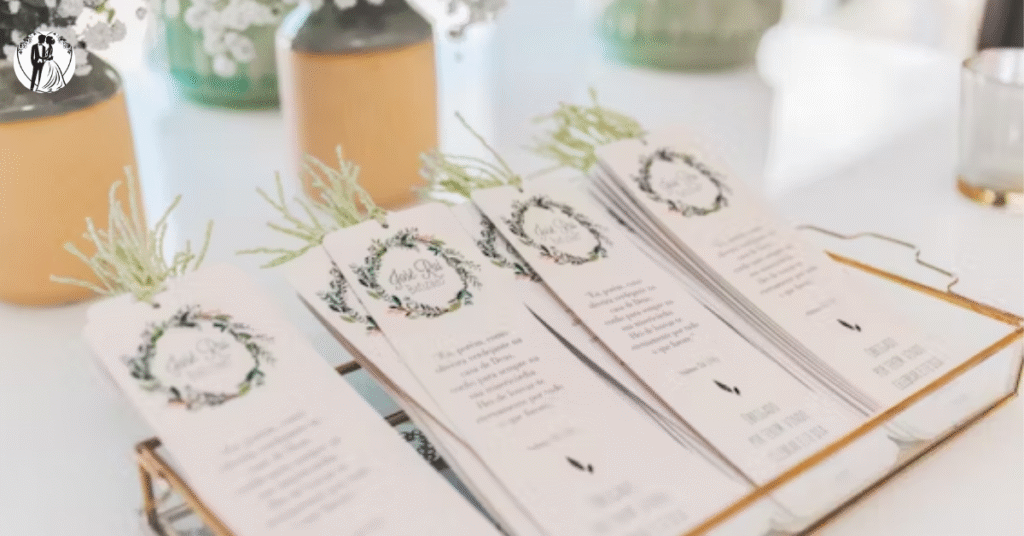
In many traditions, the wording of invitations reflects religious or cultural values. For example, a formal tone may be necessary for certain faiths, while casual language may be preferred in others. When families have diverse backgrounds, neutral and respectful wording ensures inclusivity.
11. Digital vs. Printed Invitations
The format of the invitation also affects wording.

- Printed invitations: Provide space for longer, more elegant text.
- Digital invitations: Require concise, clear wording to capture attention quickly.
Regardless of medium, the message should remain warm and informative.
12. Adding Personal Touch Without Mentioning Names
If names are not included, invitations can still feel unique through creative techniques:
- Adding meaningful quotes about love.
- Using taglines like “Together Forever” or “A New Journey Begins.”
- Including a theme or motif that reflects the style of the event.
13. RSVP Wording and Etiquette

Guests need clear instructions on how to respond.
Examples:
- “Kindly reply by [date] to [phone/email].”
- “Please let us know if you’ll be able to celebrate with us.”
Polite reminders can help secure timely responses without sounding forceful.
14. Common Mistakes to Avoid in Reception Invitations
- Not making it clear that the invitation is for reception only.
- Using a tone that doesn’t match the event’s style.
- Leaving out RSVP or venue details.
- Overloading the design with text or unnecessary phrases.
Final Thought
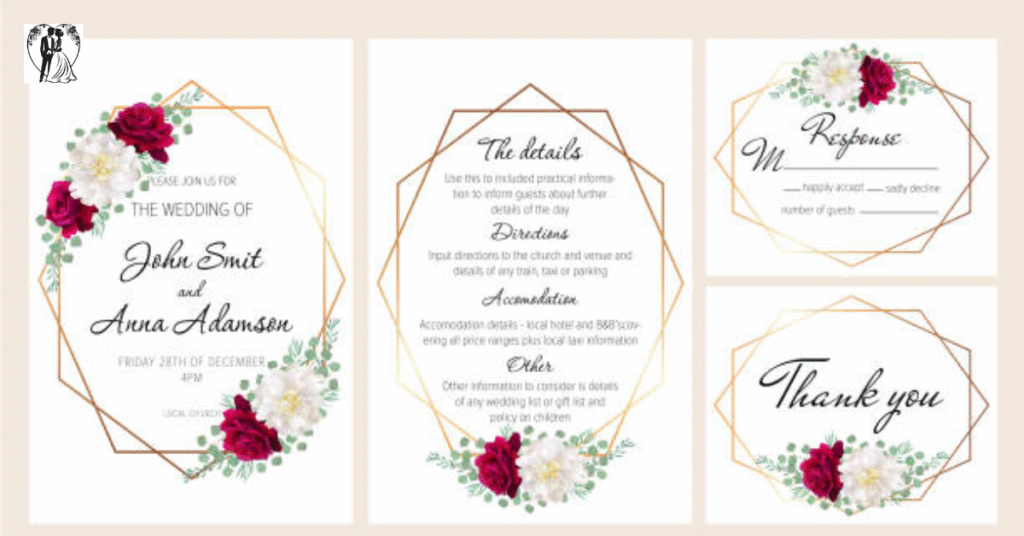
A reception-only invitation is not just about sharing details—it’s about creating excitement, warmth, and anticipation. The right words invite guests into a space of joy, laughter, and shared celebration. Whether formal or casual, elegant or playful, well-crafted wording ensures guests feel valued and connected to the occasion. When written thoughtfully, the invitation becomes more than an announcement; it becomes the first step into a memorable celebration.