Wedding Dress Alterations Cost: Everything You Need to Know Before Your Big Day

Every bride dreams of walking down the aisle in a gown that fits perfectly not too tight, not too loose, and beautifully shaped to her body. But even the most stunning wedding dress often needs a few adjustments before it becomes the one. That’s where wedding dress alterations come in.
Understanding the cost of wedding dress alterations helps you budget wisely, avoid last-minute surprises, and ensure your gown feels like it was made just for you. In this article, we’ll explore everything from average prices to what affects the cost, how to save money, and how to plan your alteration timeline.
1. What Are Wedding Dress Alterations?
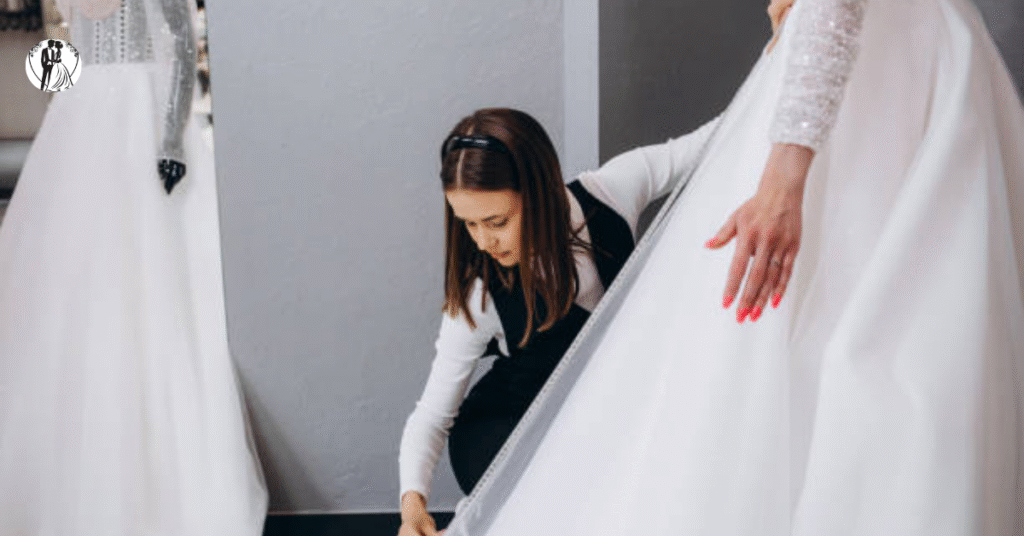
Wedding dress alterations refer to the adjustments made to a gown after it’s purchased to ensure a perfect fit and look. These changes can be as simple as hemming the bottom or as complex as redesigning the bodice or sleeves.
Common alterations include:

- Taking in or letting out the sides
- Shortening or lengthening the hem
- Adding or removing sleeves
- Adjusting the bust area
- Adding buttons, lace, or beading
- Creating a bustle for the train
Each dress and bride is unique, so the extent of alterations can vary greatly.
2. Why Are Alterations So Important?

Even if you find your dream dress, it’s rare that it fits perfectly right off the rack. Every bride has a unique body shape, and designers make gowns in standard sizes not custom measurements.
Alterations ensure:
- The dress fits comfortably and flatters your figure.
- You can move, dance, and sit easily on your wedding day.
- The gown looks polished and tailored in photos.

A well-fitted gown enhances your confidence and that glow of confidence is what makes a bride truly radiant. Want to know about Wedding Gifts for Couples Without a Registry? Read my full post here.
3. Average Wedding Dress Alteration Costs
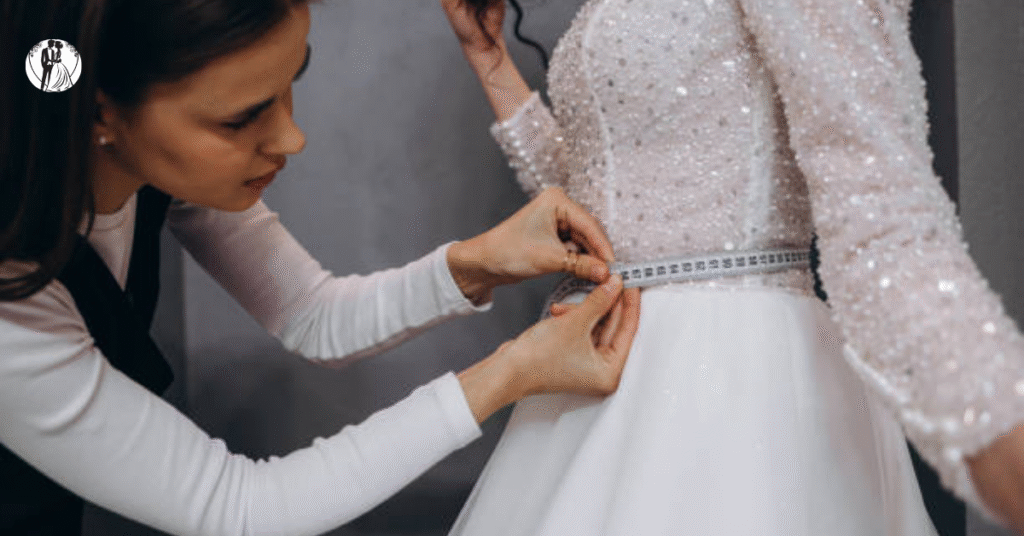
On average, wedding dress alterations cost between $150 and $700, but prices can go much higher depending on the complexity of the gown and the number of changes needed.
Here’s a breakdown:
- Basic Alterations: $150 – $300
(e.g., hem adjustments, tightening straps, small fitting tweaks) - Moderate Alterations: $300 – $600
(e.g., reshaping bodice, adding sleeves, bustle creation) - Major Alterations or Custom Work: $700 – $1,000+
(e.g., redesigning neckline, adding lace overlays, resizing entire dress)
Luxury designer gowns or heavily beaded dresses usually cost more to alter because of the time and skill required.
4. Factors That Affect Alteration Costs
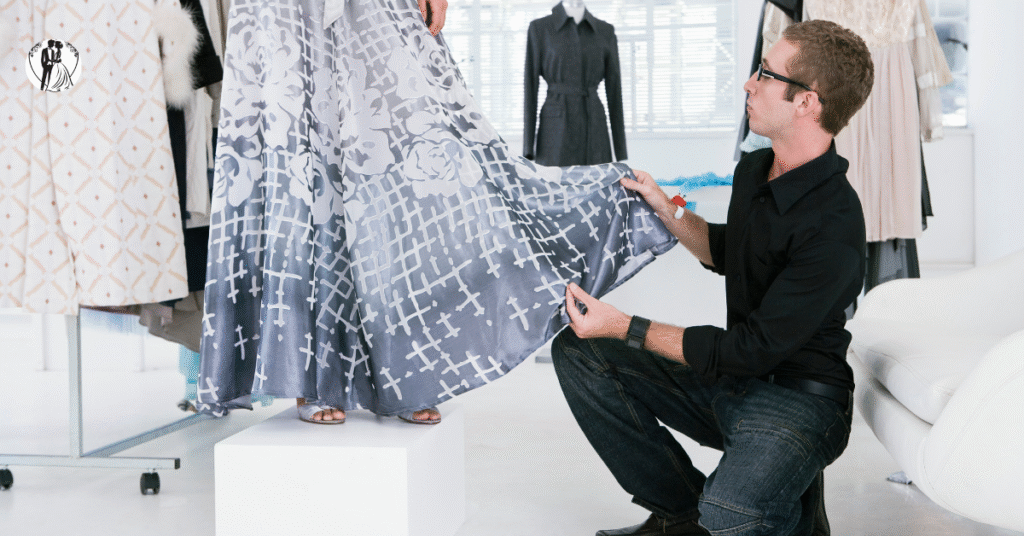
The cost of altering a wedding dress isn’t one-size-fits-all. Several factors can influence the final price:
4.1 Dress Complexity
The more intricate the gown like lace details, beadwork, or layered fabrics the more time-consuming the alterations.
4.2 Fabric Type
Delicate fabrics like chiffon, silk, or lace require special handling, which increases labor costs.
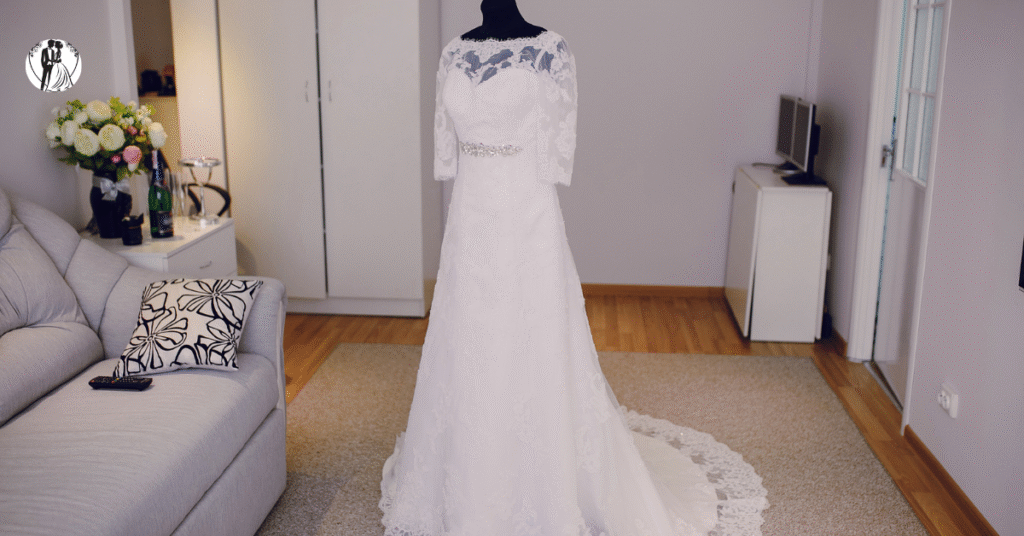
4.3 Number of Alterations
Each adjustment adds to the total cost. A hem and bustle might be simple, but resizing or redesigning adds significant expense.
4.4 Location and Tailor Experience
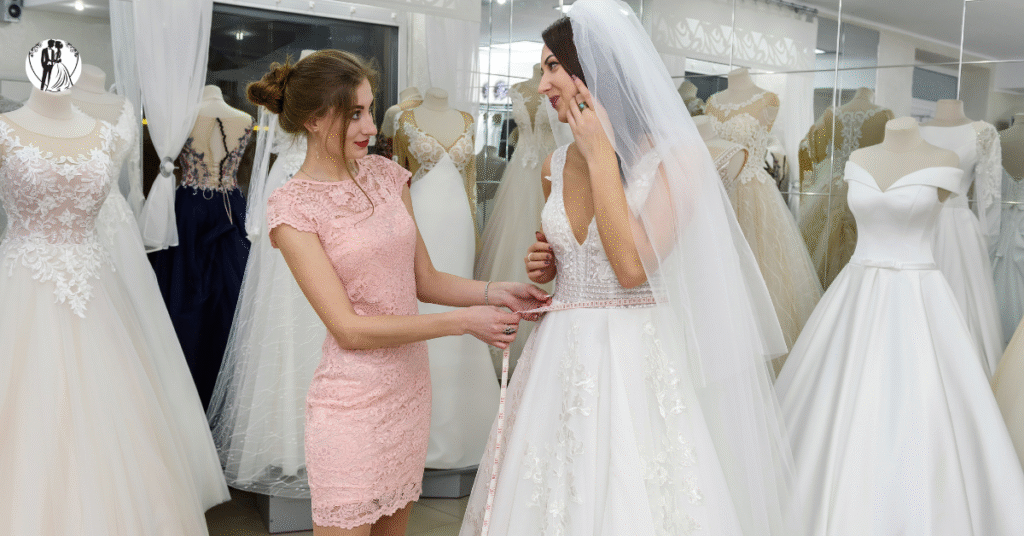
Alteration costs vary depending on where you live. Big cities tend to have higher prices than small towns. Similarly, experienced bridal seamstresses charge more for their expertise.
4.5 Time Frame
Need rush alterations? Expect to pay extra for expedited service, especially if your wedding is just weeks away.
5. Common Types of Wedding Dress Alterations
Every bride’s needs are different, but here are the most common alterations done on wedding gowns:
5.1 Hemming
Shortening the dress so it just grazes the floor when you wear your wedding shoes.
5.2 Taking In or Letting Out
To achieve a perfect fit at the waist, bust, or hips.
5.3 Bustle Addition
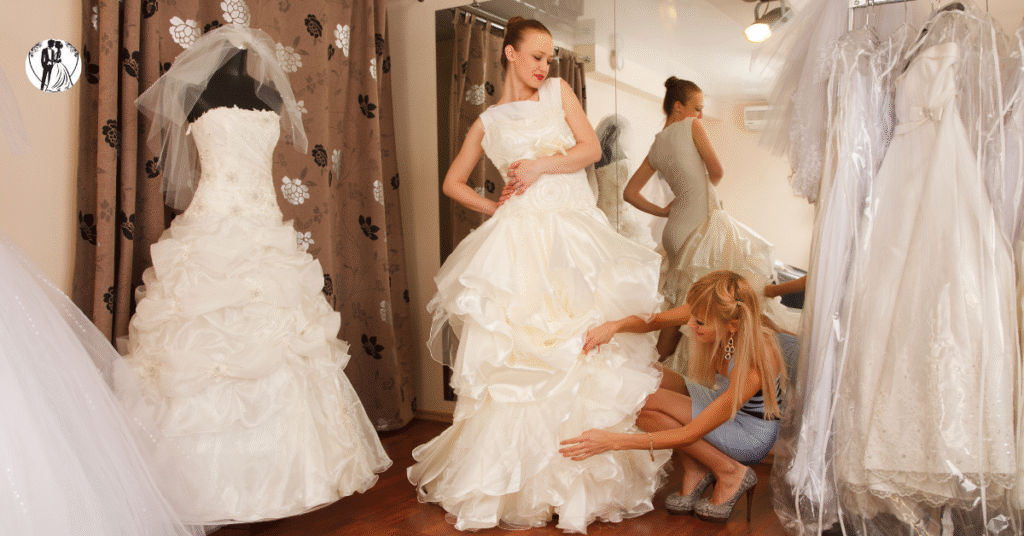
Adds hidden hooks or buttons so you can lift the train for the reception.
5.4 Strap Adjustments
Shortening or lengthening straps for better comfort and support.
5.5 Sleeve Alterations
Adding, removing, or resizing sleeves for style or modesty preferences.
5.6 Neckline Changes
Some brides opt to change the neckline shape to match their vision.
5.7 Decorative Enhancements
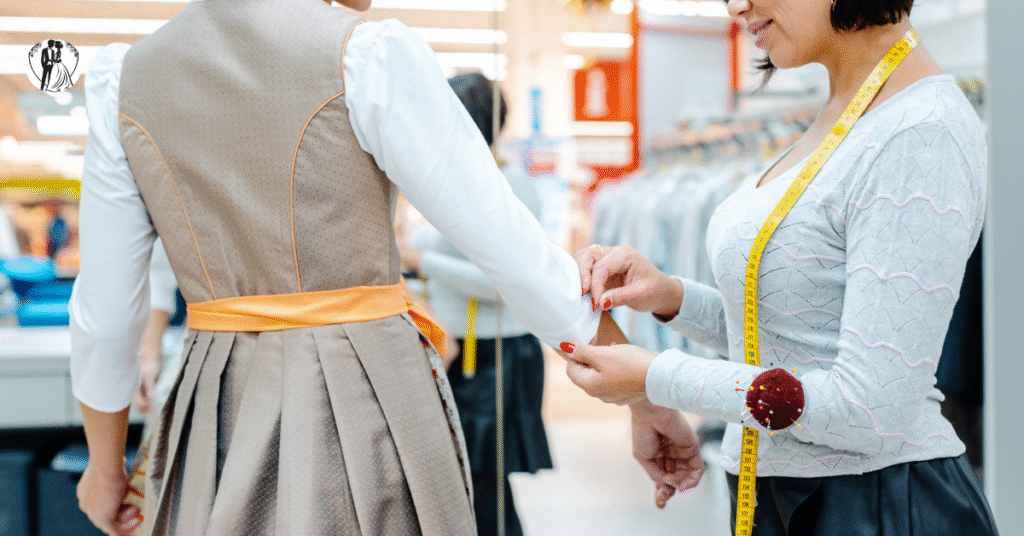
Adding lace appliqués, beads, pearls, or buttons for extra elegance.
6. When to Start Alterations
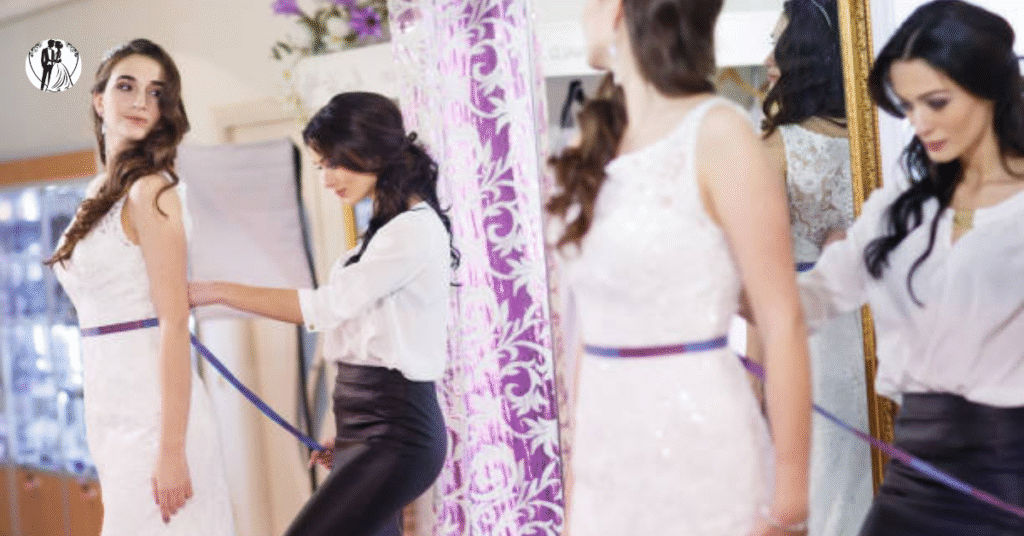
Timing is key. Ideally, you should start your wedding dress alterations two to three months before the wedding.
Here’s a recommended schedule:
- First fitting: 8–10 weeks before the wedding
- Second fitting: 4–6 weeks before
- Final fitting: 1–2 weeks before
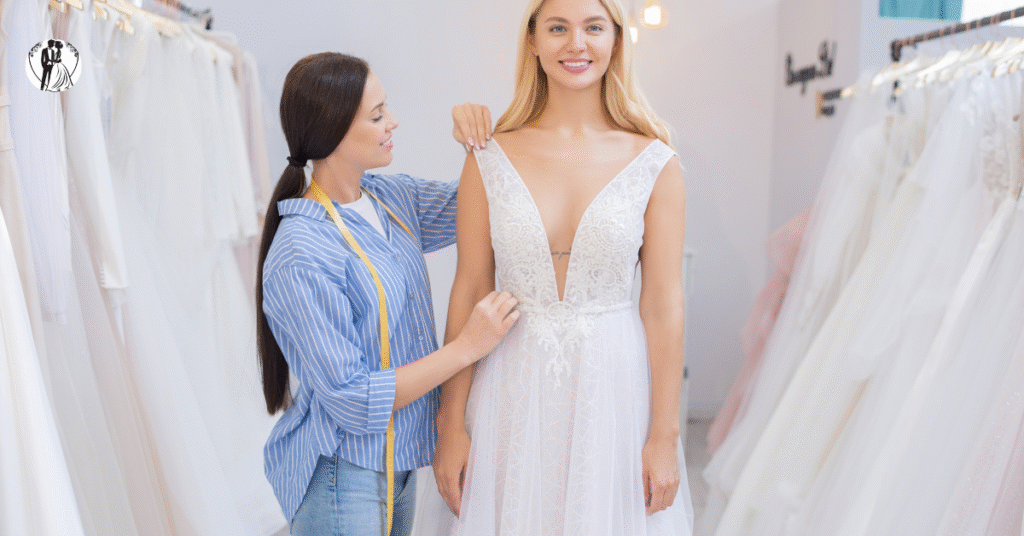
This gives your seamstress enough time to make precise adjustments and for you to see how the dress fits after each change.
If your weight fluctuates or your gown arrives late, communicate early with your tailor to adjust the schedule.
7. How to Choose the Right Seamstress
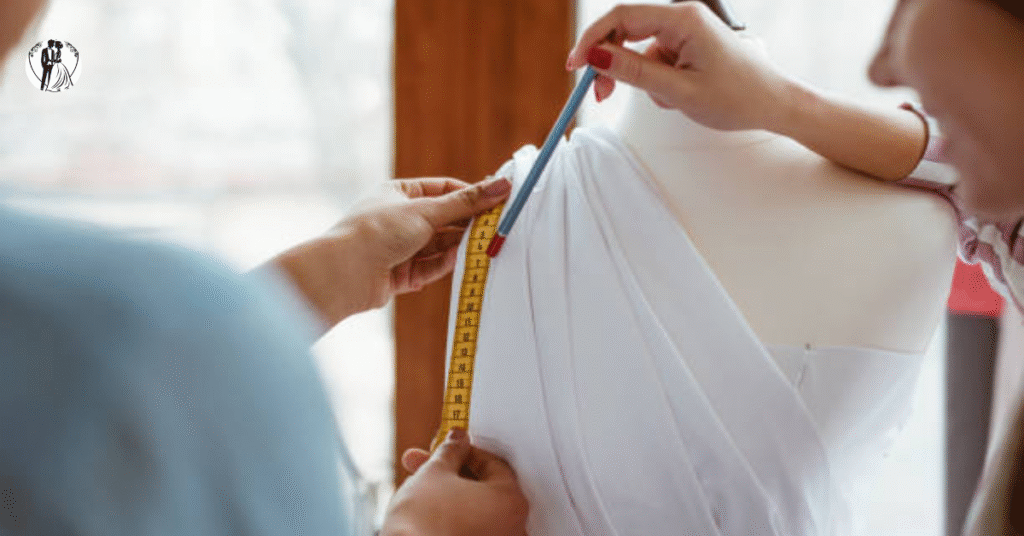
A skilled bridal seamstress can make all the difference. When choosing one, consider:
- Experience: Look for someone who specializes in wedding gowns.
- Portfolio: Ask to see before-and-after photos of their previous work.
- Reviews: Check online feedback or ask other brides for recommendations.
- Consultation: Meet in person, discuss your vision, and get an estimate.
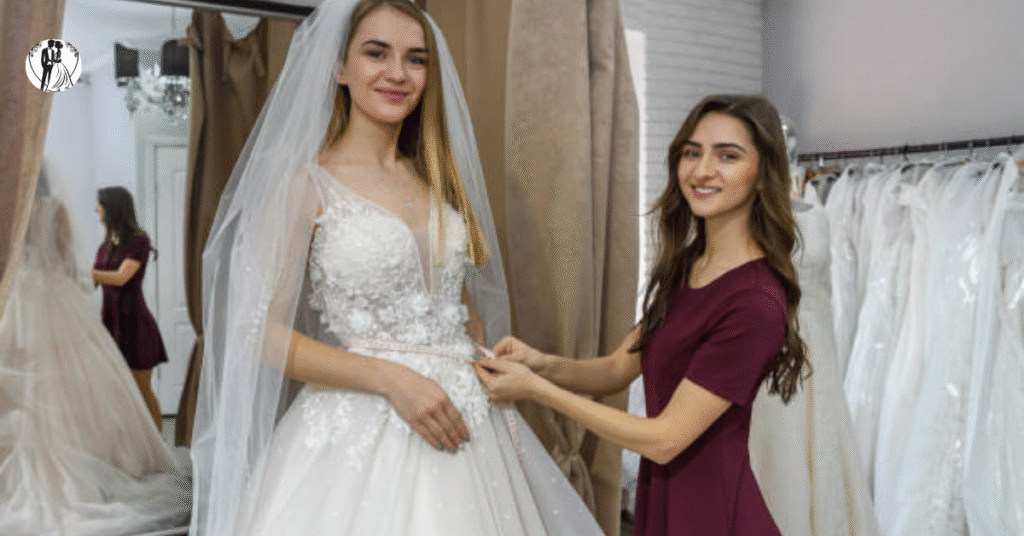
A good seamstress will guide you honestly about what’s possible and what isn’t.
8. How to Save Money on Wedding Dress Alterations
Wedding costs add up quickly, so saving on alterations is always a plus. Here are smart tips:
- Buy the right size: Choosing a gown close to your actual measurements minimizes adjustments.
- Limit customizations: Avoid unnecessary changes unless essential.
- Find local tailors: Bridal salons often charge more than independent seamstresses.
- Plan ahead: Avoid rush fees by starting early.
- Bundle services: Some shops offer discounts for multiple alterations.
Sometimes, simplicity equals elegance and savings too!
9. Additional Costs to Keep in Mind
Beyond standard alterations, there may be a few extra expenses brides overlook:
- Steaming and pressing: $40–$100 for wrinkle-free perfection.
- Storage and preservation: $200+ if you plan to preserve your gown post-wedding.
- Undergarments or shapewear adjustments: May require extra tailoring for the perfect fit.
Always ask for a detailed estimate so you know the total cost upfront.
10. What to Expect During Fittings

Wedding dress fittings are exciting milestones! Here’s what usually happens:
- First fitting: The seamstress evaluates how the gown fits and pins areas needing change.
- Second fitting: You try on the altered dress for adjustments and feedback.
- Final fitting: The gown should fit flawlessly; bring your shoes, jewelry, and veil for the full look.
Pro Tip: Bring a trusted friend or family member who can give honest feedback and help you practice walking or sitting comfortably.
11. DIY Alterations – Should You Try It?
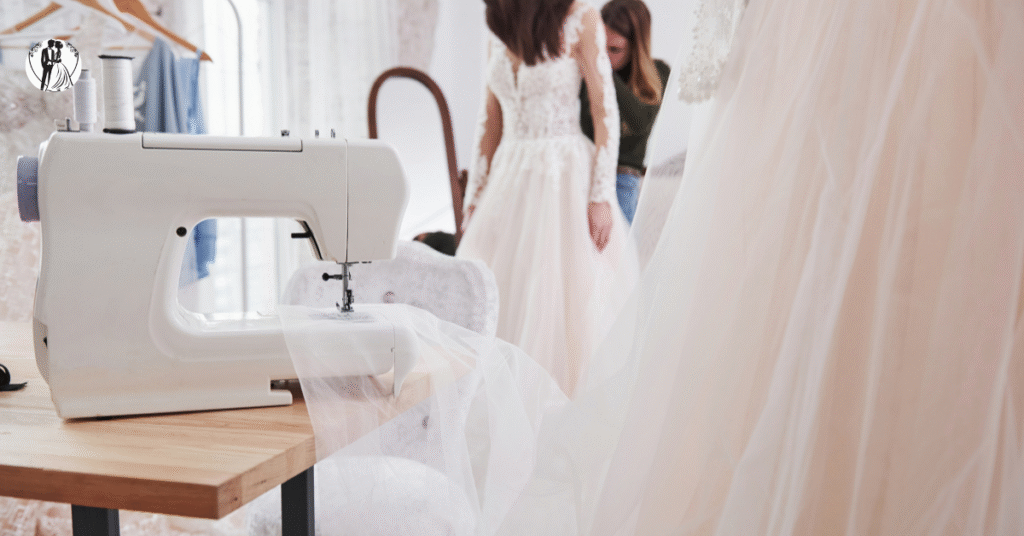
Unless you’re highly skilled at sewing, DIY wedding dress alterations are not recommended. Bridal fabrics and designs require precision and expertise. A small mistake could ruin the dress or cost more to fix later.
If you’re on a tight budget, consider minor DIY tasks like attaching removable straps or steaming the gown but leave structural changes to professionals.
Final Thought
Your wedding dress is more than just fabric it’s the centerpiece of your big day and a symbol of love, elegance, and dreams come true. Investing in proper alterations ensures that it fits perfectly, allowing you to feel beautiful, confident, and comfortable from your first step down the aisle to your last dance of the night.