Wedding Cake Cutting Guide: Elegance and Tradition for Every Bride

The wedding cake cutting is one of the most iconic and photogenic moments of any wedding celebration. Beyond its ceremonial significance, it represents the couple’s first act together as a married pair, symbolizing unity, love, and shared joy. Executed with grace, timing, and attention to detail, the cake-cutting ceremony can be both a refined tradition and an intimate moment that leaves lasting memories. From choosing the ideal knife and coordinating with photographers to selecting the perfect tier and cake flavors, this guide explores every nuance of executing a flawless and elegant cake-cutting experience.
Understanding the Significance of Cake Cutting
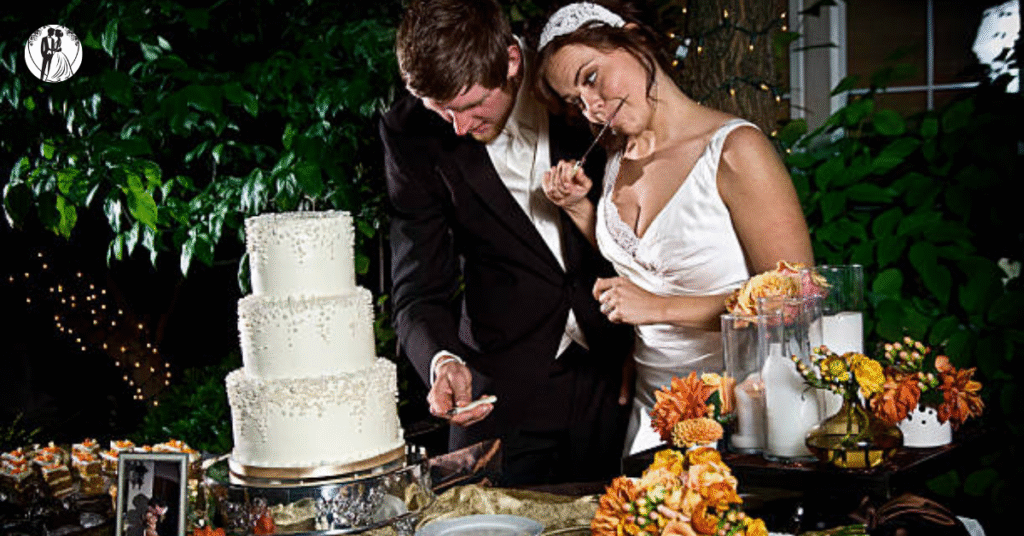
Historically, the cake cutting symbolizes the couple’s first shared act and a commitment to nurture and support one another. In modern weddings, it also serves as a photo opportunity, a festive highlight, and often a playful moment for guests. Understanding this significance helps the couple approach the ritual with mindfulness and joy, blending tradition with modern flair.
Choosing the Right Cake

The choice of cake affects the cutting ceremony directly. Considerations include tier size, cake density, frosting style, and stability. Multi-tiered cakes often require special care when cutting to ensure that layers remain intact. A sturdy cake with a smooth finish facilitates an elegant cut and a visually appealing slice for photographs. Luxury cakes often feature intricate designs, edible florals, or cascading sugar decorations that elevate the ceremonial moment.
Selecting the Cake Cutting Tools

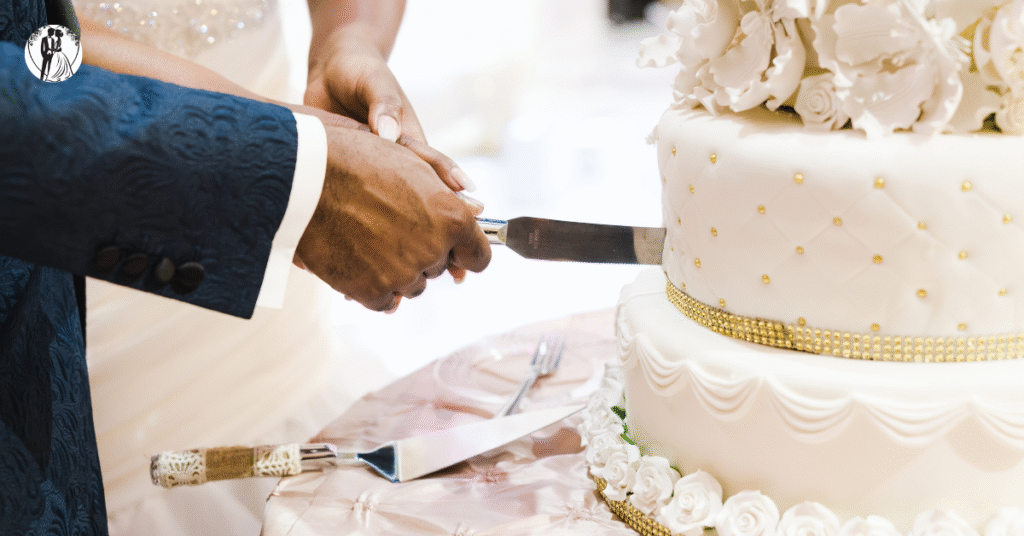
A high-quality cake knife and server set is essential. Silver-plated or crystal-handled knives complement a luxury wedding aesthetic. Some couples choose engraved knives to commemorate the event. Ensure the tools are clean, sharp, and appropriately sized for the cake tiers. Photographers and videographers appreciate a well-polished, visually appealing knife that adds sophistication to the images.
Coordinating Timing With the Reception
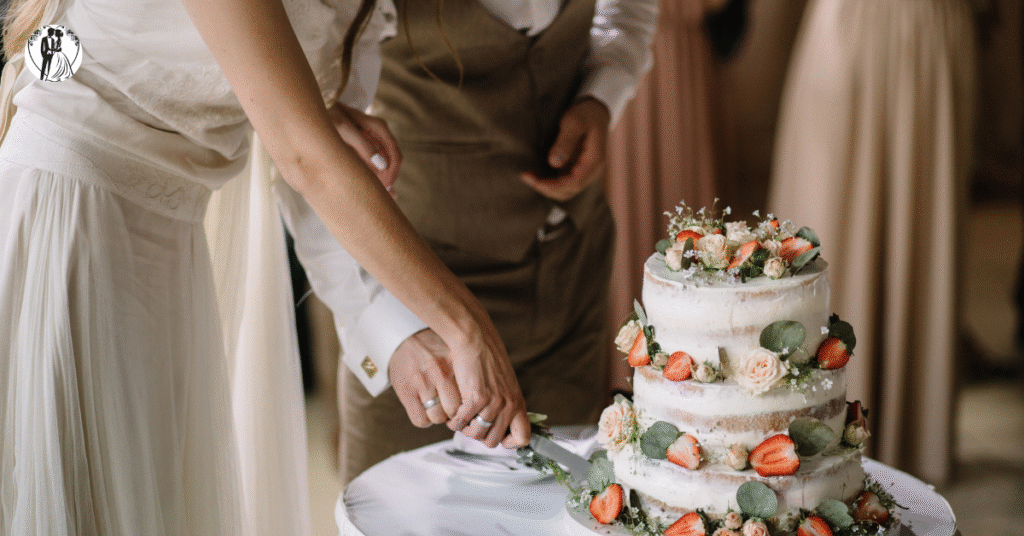
Timing is critical for a seamless cake-cutting experience. It is typically scheduled after the main course and speeches but before dessert service. Coordinating with the DJ, photographers, and wedding planner ensures that the moment is captured perfectly. Announce the cake-cutting shortly before the event to gather guests without disrupting the flow of the reception.
Positioning and Presentation

The cake should be displayed prominently, often on a dedicated table with elegant décor. Consider lighting, floral arrangements, or a cake backdrop to enhance photographs. Couples should stand facing the camera while cutting, ensuring the cake is visible. Some venues offer elevated cake tables, while others incorporate thematic styling to integrate the cake with the wedding’s design palette.
Practicing the Cut

Especially for multi-tiered or fondant-covered cakes, practicing the cut beforehand can prevent mishaps. Couples may rehearse with a smaller cake or under the guidance of the baker to understand the appropriate angle and force required. A confident, graceful approach ensures smooth slicing and reduces the chance of accidents during the live ceremony.
Capturing the Moment
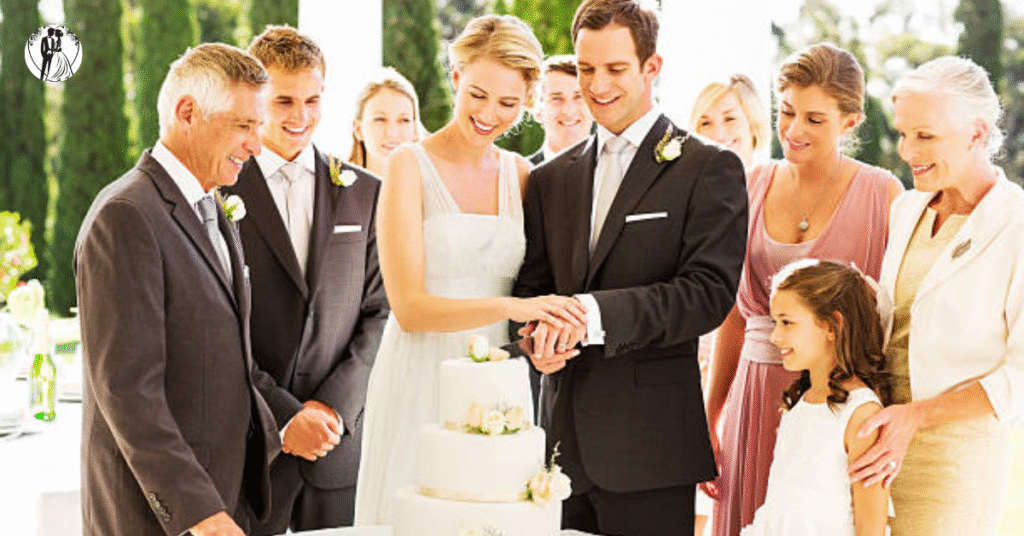
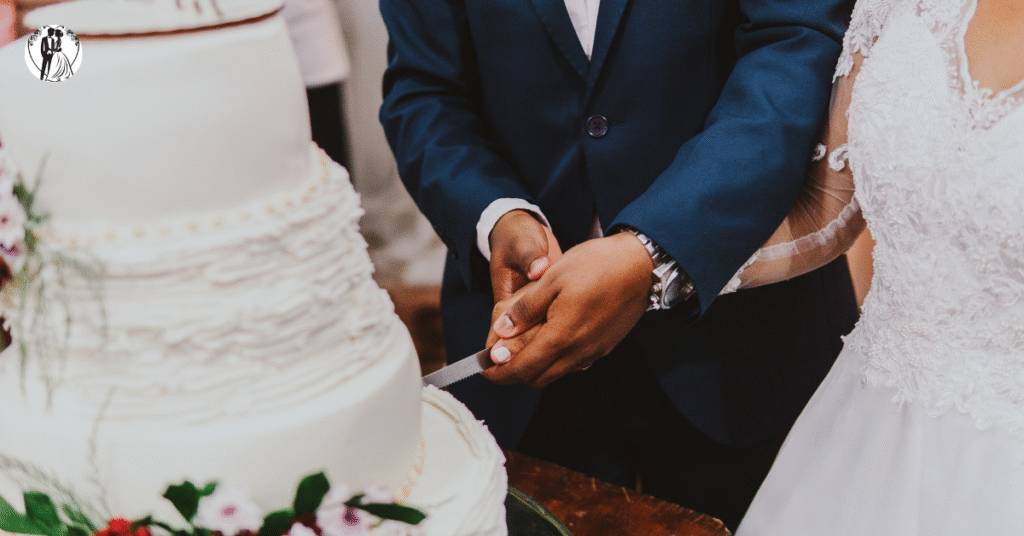
Photography is paramount during cake cutting. Photographers should capture both the precise slice and the couple’s expressions. For luxury weddings, slow-motion video or close-up shots of the knife cutting through layers can highlight textures and design details. Coordination with the photographer ensures that the ceremonial slice, feeding each other, and any playful moments are perfectly documented.
Feeding Each Other: A Romantic Gesture
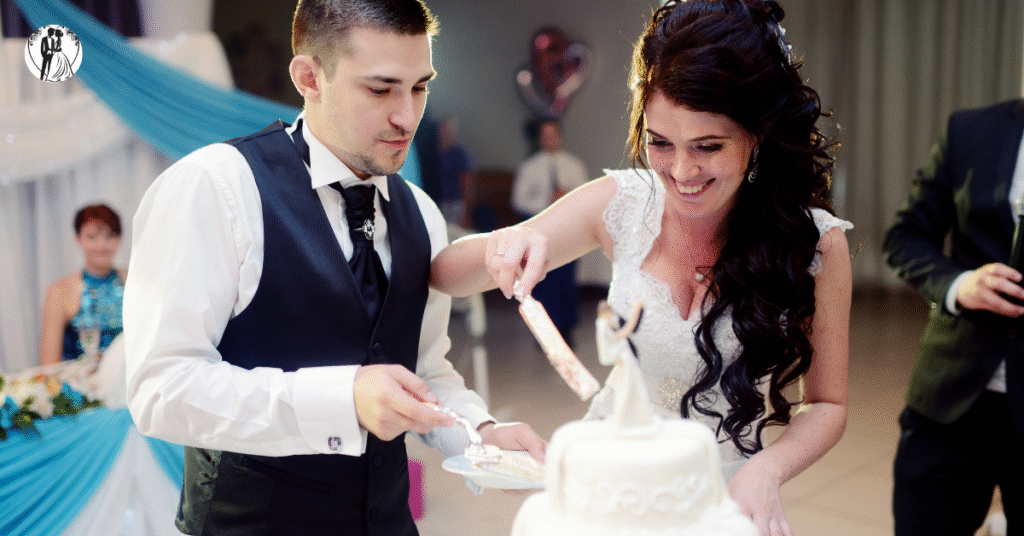
Traditionally, couples feed each other a bite of cake, symbolizing care, unity, and mutual support. Keep the portion modest to avoid mess, and choose a stable fork or small piece that ensures gracefulness. Brides and grooms may also incorporate a playful element lightly smearing frosting on each other’s noses but this should align with the couple’s personality and the formality of the wedding.
Cake-Cutting Etiquette
Maintain elegance by ensuring the cake is ready, clean, and appropriately garnished. Avoid rushing or overly playful behavior that could create mess or awkward photography. Ensure servers or attendants are nearby to assist with slice distribution. Consider dietary accommodations for guests when planning portion sizes and flavors.
Serving Guests: Practical Considerations

Once the ceremonial cut is complete, prompt cake service ensures that guests enjoy fresh slices. For tiered cakes, the top tier is often reserved for keepsake purposes, such as the couple’s first anniversary. Coordinate with catering staff to plate and serve efficiently, maintaining presentation quality while avoiding delays.
Incorporating Themes and Personal Touches
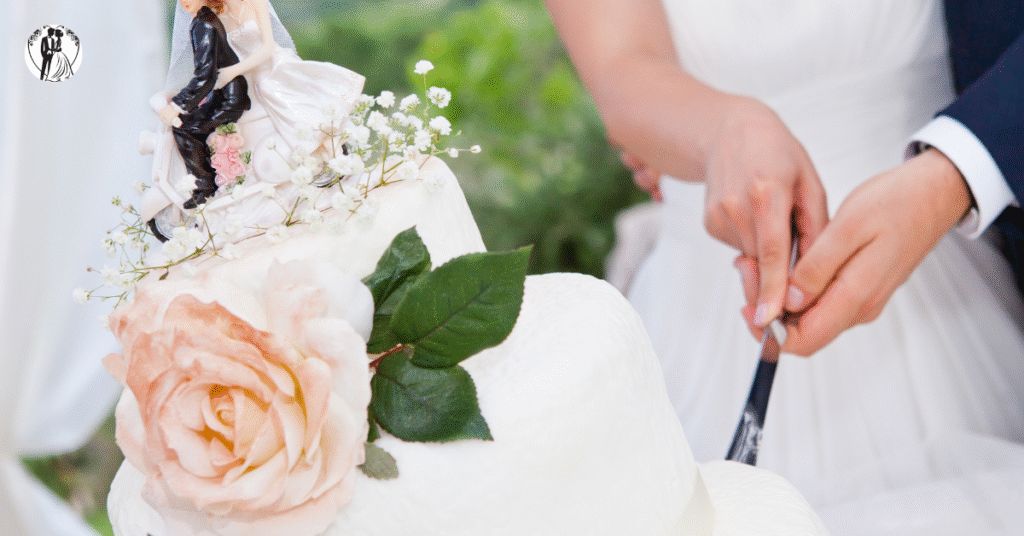
Modern weddings often use the cake-cutting moment to reflect personal style or wedding themes. Monogrammed cake toppers, floral arrangements, and elegant drapery can tie the cake ceremony to the larger aesthetic. Couples may also include playful or romantic touches, such as custom cake toppers depicting hobbies or interests, ensuring a memorable and Instagram-worthy experience.
Capturing Luxury and Memorable Details
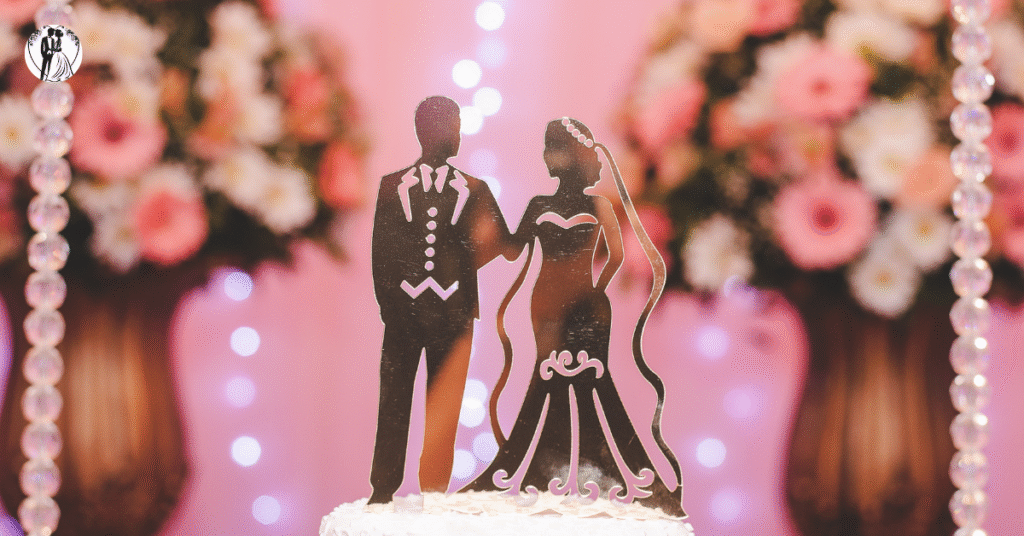
Beyond photography, consider cinematic elements: lighting, decorative cake tables, and coordinated music enhance the mood. Ensure the cake backdrop aligns with the wedding’s visual theme. Luxury weddings may also include additional desserts around the cake table for guests to enjoy after photographs are captured, balancing elegance with practicality.
Final Thought
The wedding cake-cutting ceremony is more than a tradition; it is a symbol of unity, joy, and shared celebration. By attending to timing, presentation, tools, and photography, couples can create an elegant, seamless experience that combines ritual, romance, and luxury. A carefully curated cake-cutting moment elevates the reception, leaving guests with unforgettable memories and photographs that reflect sophistication, joy, and personal style.