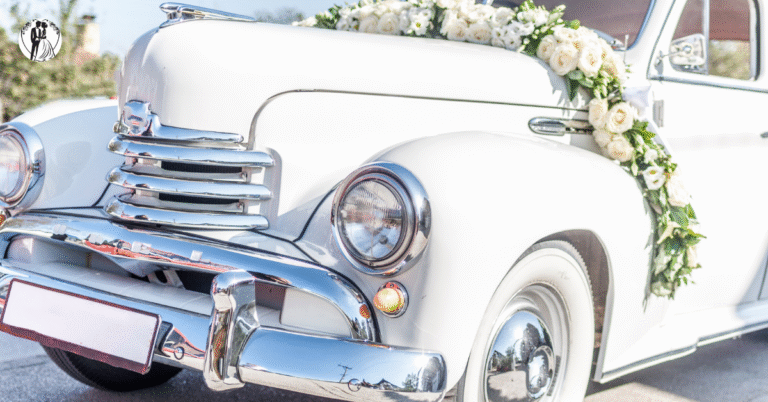
Polish Wedding Traditions: A Celebration of Love, Family, and Culture

Polish weddings are more than just a union of two people they are a beautiful blend of love, laughter, family, and centuries-old customs. Rooted in Catholic faith, rural folklore, and vibrant community spirit, Polish wedding traditions honor the past while embracing the present. From the emotional “Oczepiny” ceremony to the endless feast that lasts until dawn, every part of a Polish wedding carries deep meaning and joy.
In this article, we’ll explore the most charming and time-honored Polish wedding traditions, their origins, and how modern couples are reinventing them today.
1. The Engagement: A Family Affair

In traditional Polish culture, engagements were once formal events where families played a major role. Known as zaręczyny, this meeting between the couple’s parents marked the beginning of wedding planning. Although today’s engagements are more personal, many families still hold a small dinner to bless the union, symbolizing harmony between two households.
2. The Blessing of the Parents
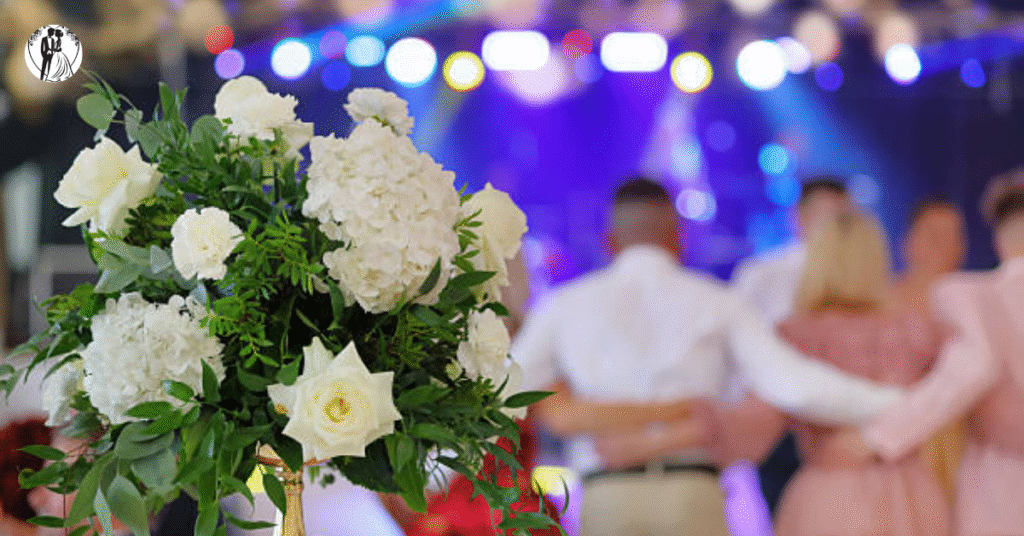
Before heading to the ceremony, it is customary for the couple to receive blessings from their parents. This emotional moment takes place in the bride’s home, where both families gather to wish the couple health, happiness, and strength in their new life. Parents often sprinkle holy water and give a crucifix as a sign of faith and protection.
3. Church Ceremony and Catholic Roots
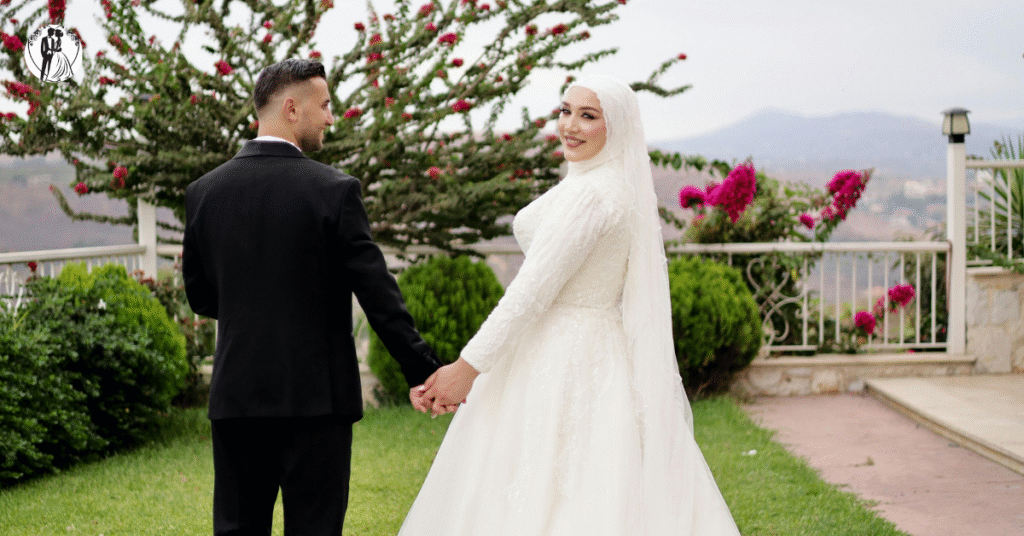
Since Poland is predominantly Catholic, most weddings take place in a church. The ceremony is filled with solemn prayers, hymns, and readings that emphasize love, unity, and God’s presence. After exchanging vows, guests greet the newlyweds outside the church with smiles, cheers, and traditional gifts of flowers.
4. Shower of Coins, Rice, or Barley
As the couple exits the church, guests shower them with coins, rice, or barley. Each has symbolic meaning:
- Coins bring prosperity and wealth.
- Rice or barley represent fertility and abundance.
The couple must gather the coins together signifying teamwork and shared responsibility in their marriage.
5. The Wedding Reception: Wesele
The heart of every Polish wedding is the wesele a grand, lively celebration that often lasts two days or more. Filled with traditional food, toasts, and music, it’s an unforgettable feast of joy. Guests dance, sing, and enjoy delicious dishes like pierogi, bigos, and kielbasa. Vodka flows freely, and each toast is met with a cheerful “Na zdrowie!” (To your health!).
6. Traditional Polish Wedding Toasts

Polish wedding receptions are famous for their toasts. The toastmaster, known as wodzirej, leads the evening with humor and energy, encouraging guests to raise their glasses often. Toasts celebrate love, happiness, and family and everyone participates with laughter and applause.
7. Oczepiny: The Unveiling Ceremony

One of the most emotional Polish wedding traditions is the oczepiny, which takes place at midnight. The bride removes her veil, symbolizing her transformation from a maiden to a wife. In older times, this moment was accompanied by singing and tears, as it represented the end of her single life. Today, it’s a fun ritual where the veil is replaced with a scarf or wreath, and games follow to entertain guests.
8. Dancing the Polonaise

No Polish wedding is complete without traditional dances. The Polonaise, a slow and elegant dance, usually opens the reception. Later, lively folk dances like the Krakowiak or Oberek bring energy and laughter to the night. Everyone joins in young and old alike making the dance floor a symbol of community and joy. If you want to explore Outdoor Wedding Games check this out.
9. Bread and Salt Ceremony
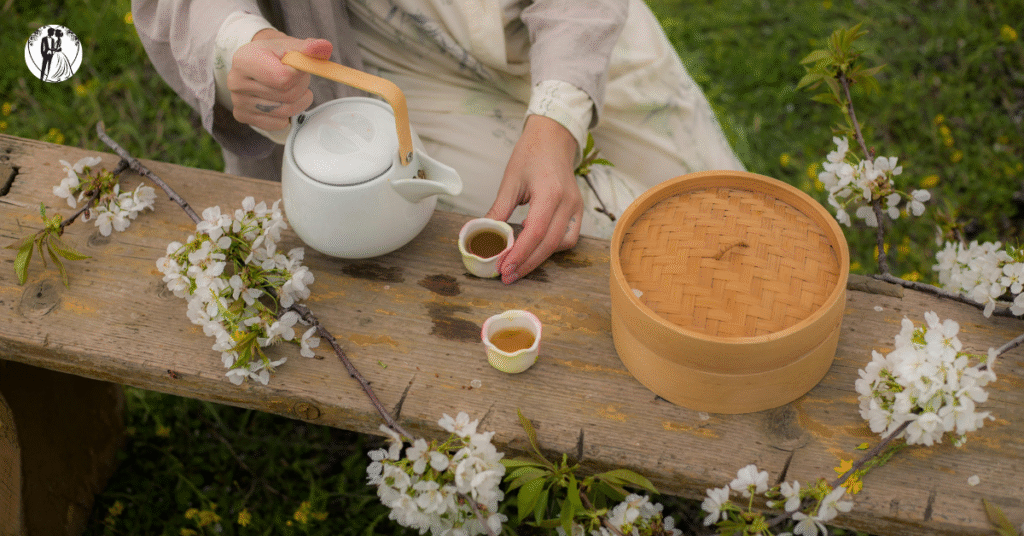
A symbolic tradition deeply rooted in Polish culture, the bread and salt ceremony welcomes the newlyweds to the reception. The parents greet the couple with bread (symbolizing prosperity) and salt (representing the challenges of life). The couple tastes both, promising to stay together through both abundance and hardship. Then, they share a sip of vodka and throw the empty glasses behind them for good luck.
10. Wedding Games and Competitions
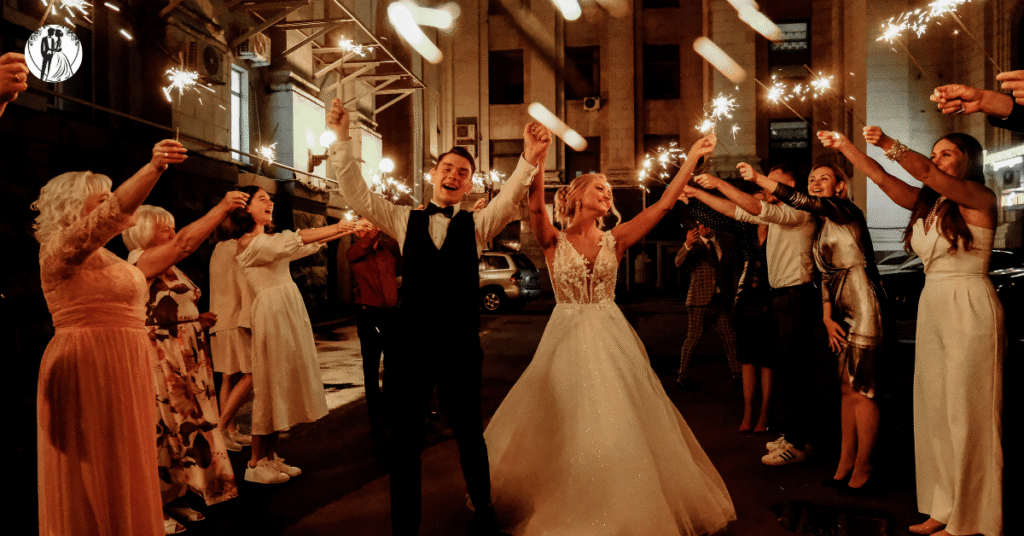
Polish weddings are known for playful entertainment. Guests participate in games such as musical chairs, quiz contests about the couple, or funny dares. These activities add laughter and bonding moments to the night. The oczepiny games including catching the bride’s veil or the groom’s bowtie decide who might be the next to marry.
11. Post-Wedding Breakfast: Propazine
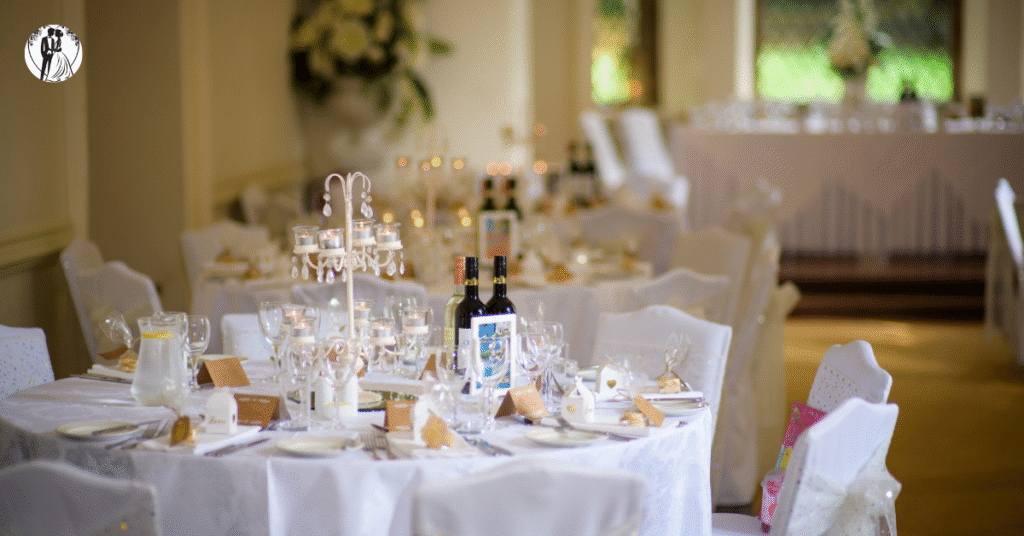
The fun doesn’t stop after the first day! The poprawiny is a continuation of the celebration, held the next day with family and close friends. It’s a more relaxed gathering with food, music, and laughter, giving guests time to recover and share stories from the big day.
12. Modern Polish Weddings: Blending Old and New

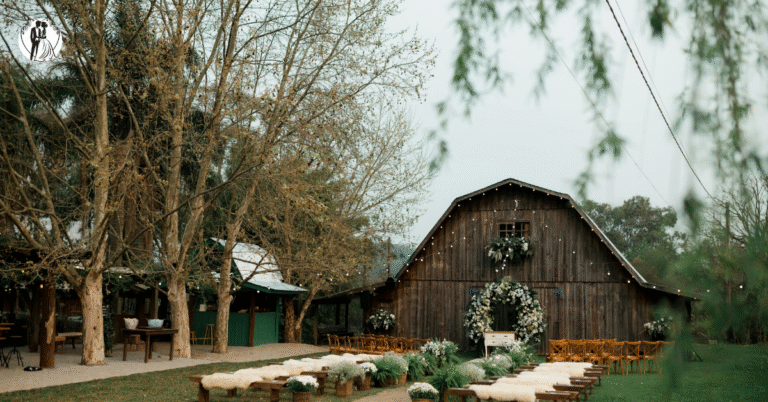
While many Polish couples still honor traditional customs, modern weddings often blend old rituals with contemporary trends. From elegant ballrooms to rustic barns, today’s weddings may feature live DJs, international cuisine, or creative themes but always with the warmth and heart of Polish tradition at their core. Couples proudly incorporate cultural symbols, ensuring their heritage remains alive.
Final Thought
Polish wedding traditions are a heartfelt tribute to love, faith, and family. Each ritual from the blessing of parents to the joyous cozening reminds everyone that marriage is not just about two people, but about community and shared happiness. Whether held in a quiet village or a modern city, a Polish wedding captures the essence of togetherness, laughter, and everlasting love.