Wedding Ceremony Order A Complete, Modern, and Culturally Inclusive Guide
The Meaning and Purpose of a Wedding Ceremony
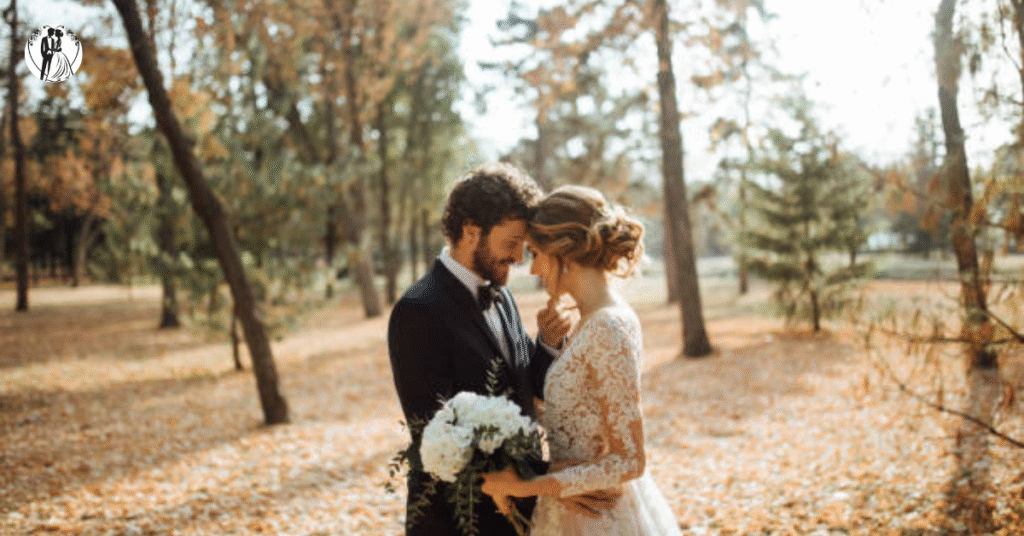
A Wedding Ceremony Order is more than a legal formality it is a moment of symbolism, culture, spirituality, and storytelling. Whether traditional or modern, religious or secular, intimate or grand, the ceremony marks the official beginning of a couple’s life together. Its structure may vary across cultures and beliefs, yet the purpose remains universal: to witness love, honor commitment, and declare partnership before a community.
Why the Order of a Ceremony Matters
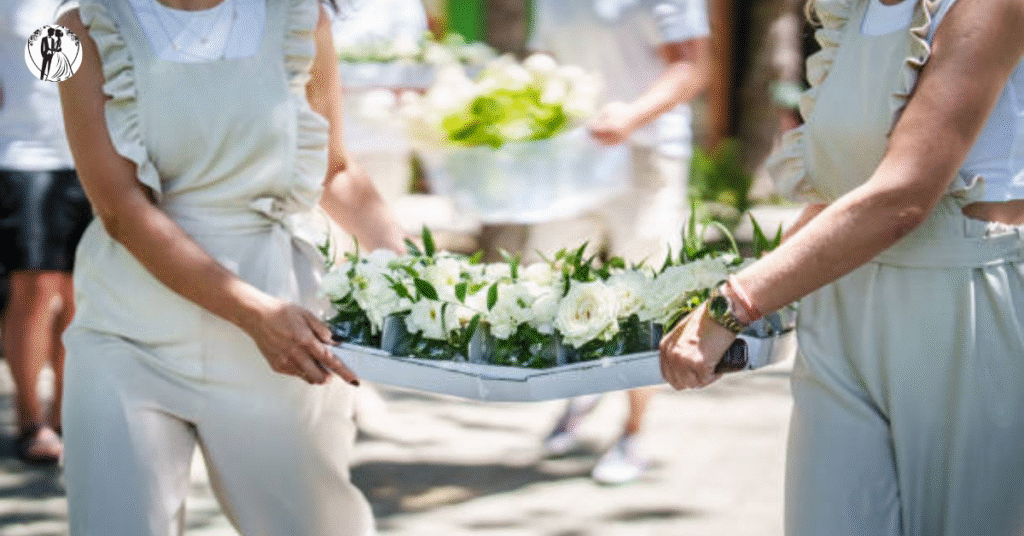
The sequence of a wedding ceremony creates rhythm, clarity, and emotional impact. A well-structured order helps guests understand what is happening, allows the couple to stay present in the moment, and ensures that every transition feels natural from walking down the aisle to the final kiss and exit. Even the most spontaneous-looking weddings are almost always guided by thoughtful planning.
Key Elements Shared Across Most Wedding Ceremonies
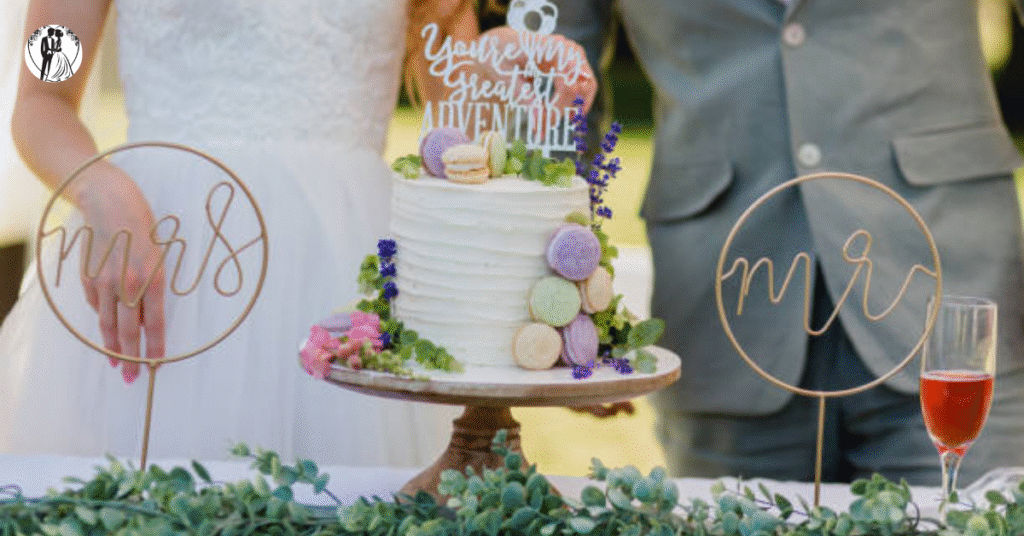
While every culture has its own rituals, most ceremonies share several familiar elements: an entrance, a welcome, an exchange of vows, a moment of symbolism, a declaration of marriage, and a joyful exit. These core components remain constant whether the setting is a church, a beach, a courthouse, a garden, or a temple.
The Processional How the Ceremony Begins
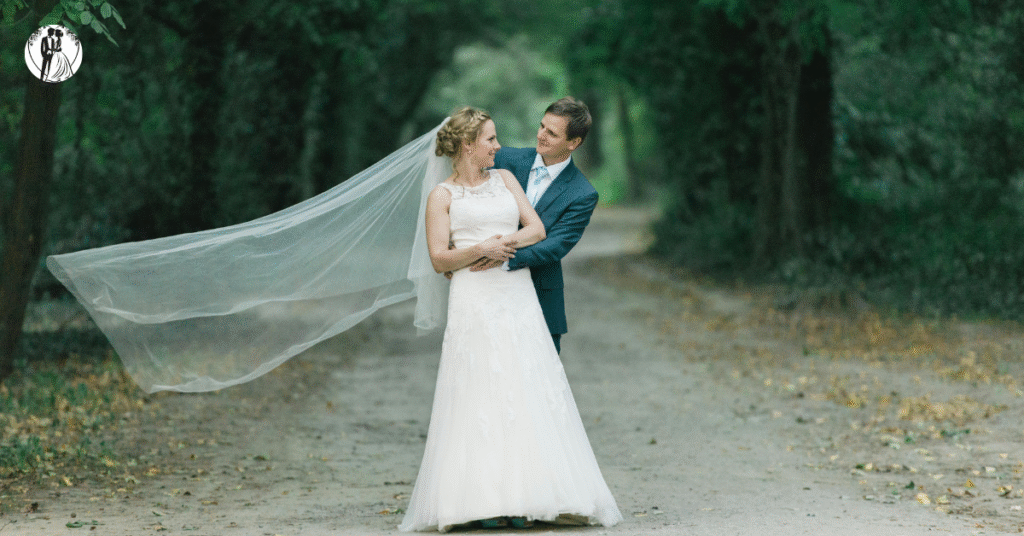
The ceremony usually begins with a processional, a formal or informal entrance of the wedding party, family members, and finally, the couple. In Western weddings, the groom often enters first, followed by attendants and the bride. In South Asian weddings, the groom may arrive in a baraat procession. In LGBTQ+ or non-traditional weddings, partners may walk in together or from opposite sides. The goal is not sameness but significance.
The Welcome and Opening Words
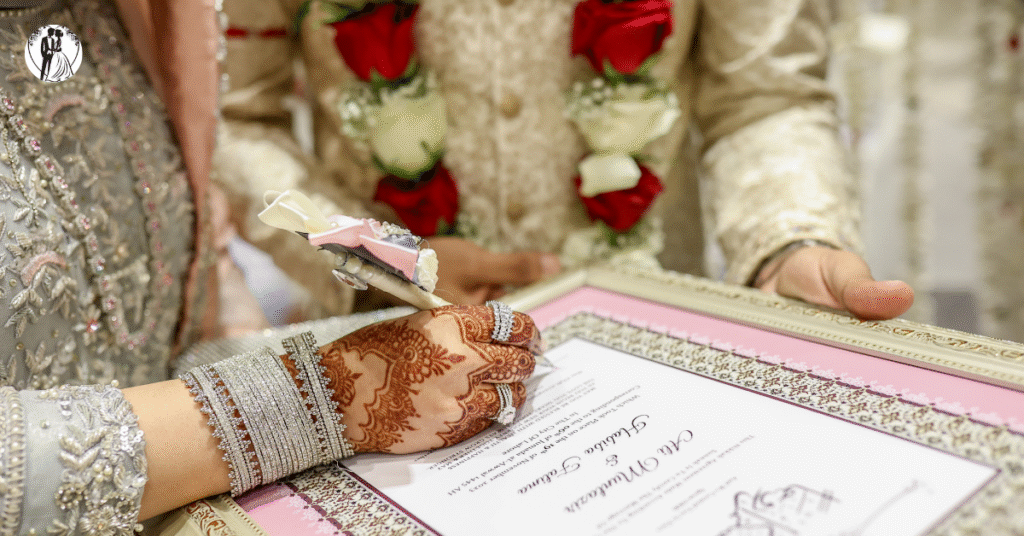
Once everyone is seated, the officiant (religious leader, celebrant, judge, imam, rabbi, pandit, etc.) opens the ceremony with a welcome. This may include spiritual blessings, personal reflections, a reading, or a short introduction about the couple’s love story. In civil ceremonies, the opening tends to be warm, secular, and personal; in religious ceremonies, it may begin with prayer or scripture.
Readings, Rituals, and Cultural Elements
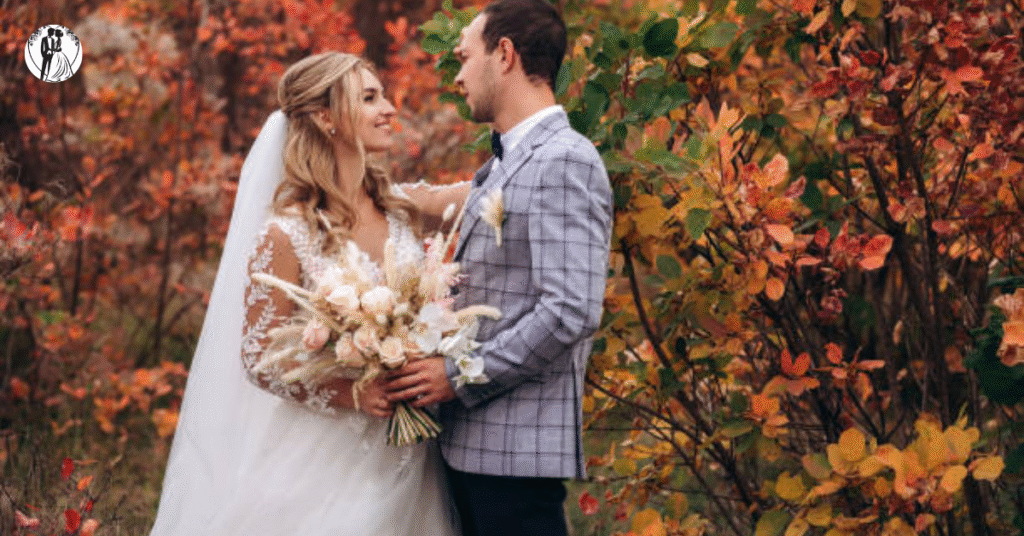
Many couples include readings from literature, holy texts, poetry, or letters. Cultural or symbolic rituals may be woven in such as the unity candle, sand ceremony, ring warming, ketubah signing, lasso ceremony, tea ceremony, handfasting, or garland exchange. These elements honor ancestry, family traditions, or personal identity.
The Exchange of Vows

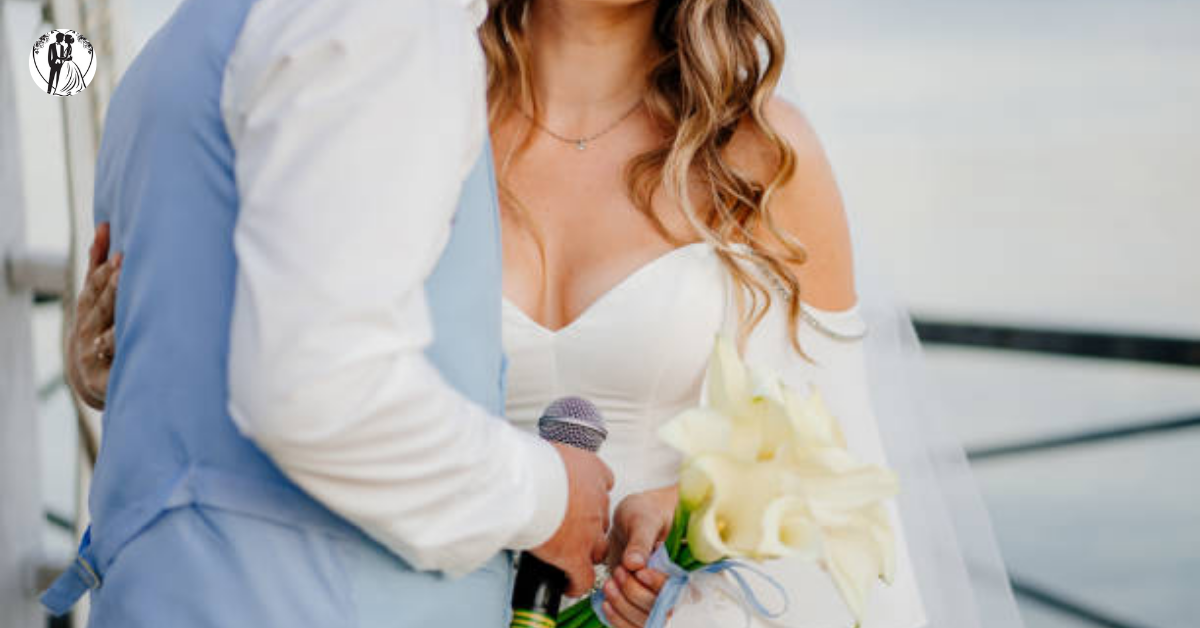
The vow exchange is the emotional heart of most ceremonies. Vows may be traditional, personalized, spoken aloud, or repeated after the officiant. Some cultures include promises made not only to each other, but to families, ancestors, or the wider community. Whether poetic or simple, vows formalize intention and devotion.
The Exchange of Rings
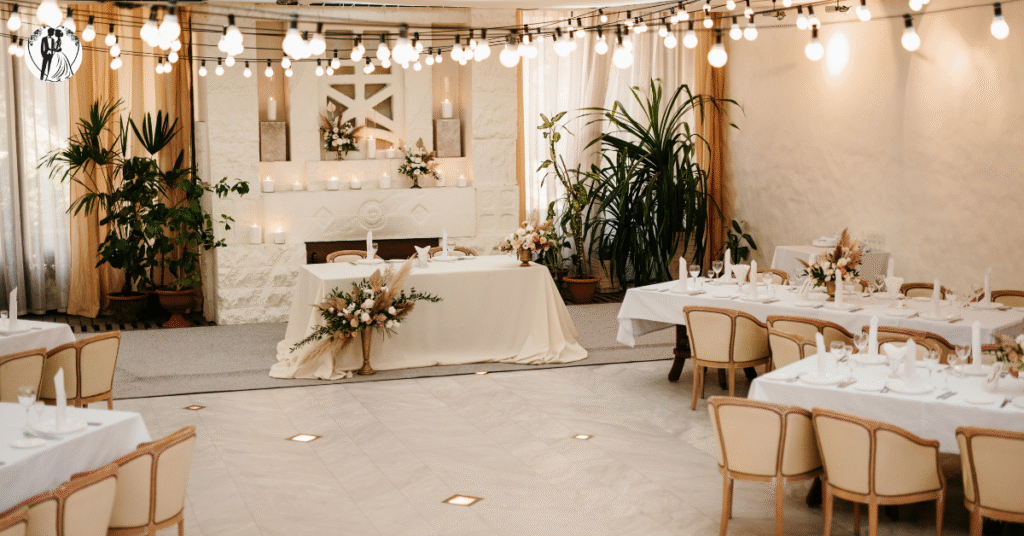
Wedding rings symbolize continuity, loyalty, and eternal commitment. In some cultures, rings are placed on the right hand, left hand, or exchanged after additional blessings. In South Asian weddings, rings may be replaced or paired with Mangal sutra, Sandor, or bangles. A ring exchange is not legally required in most countries, but it remains one of the most recognizable ceremonial moments.
The Pronouncement of Marriage
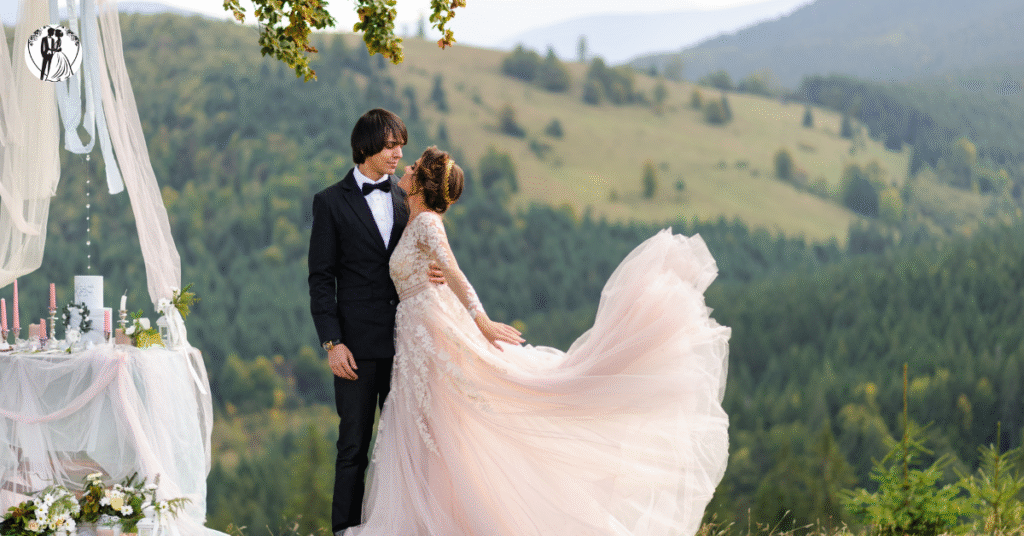
After vows and rings, the officiant formally announces the couple as married. The wording may be religious (“joined before God”), legal (“by the authority vested in me”), or symbolic (“you are now united in love”). This is the official turning point of the ceremony the moment past and future meet.
The First Kiss and Celebration Moment
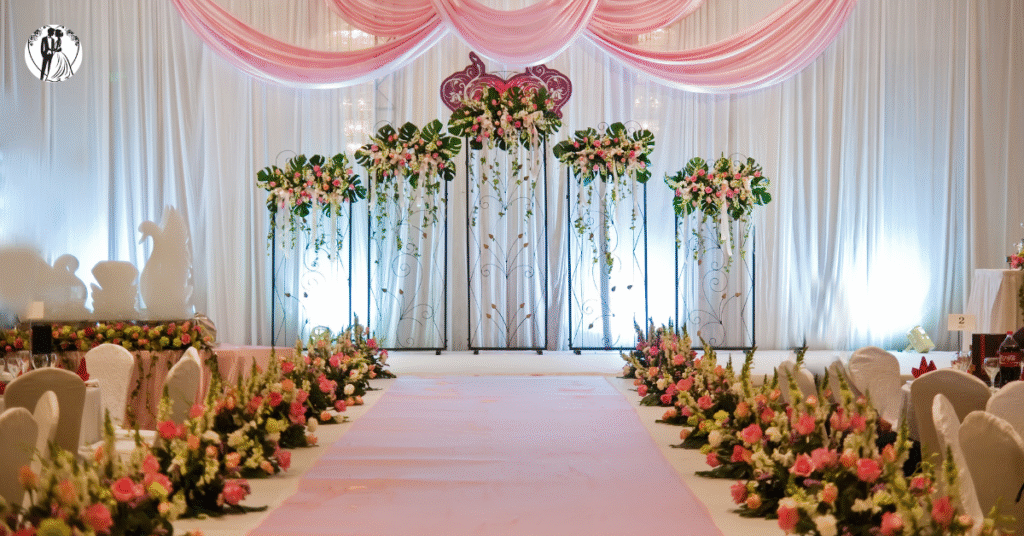
The kiss is often the most photographed moment of the ceremony, representing the joyful seal of the couple’s union. Some cultures replace the kiss with a bow, a forehead touch, a flower offering, or applause. In many ceremonies, this moment is followed by cheers, music, confetti, or a cultural blessing.
The Recessional The Exit in Celebration
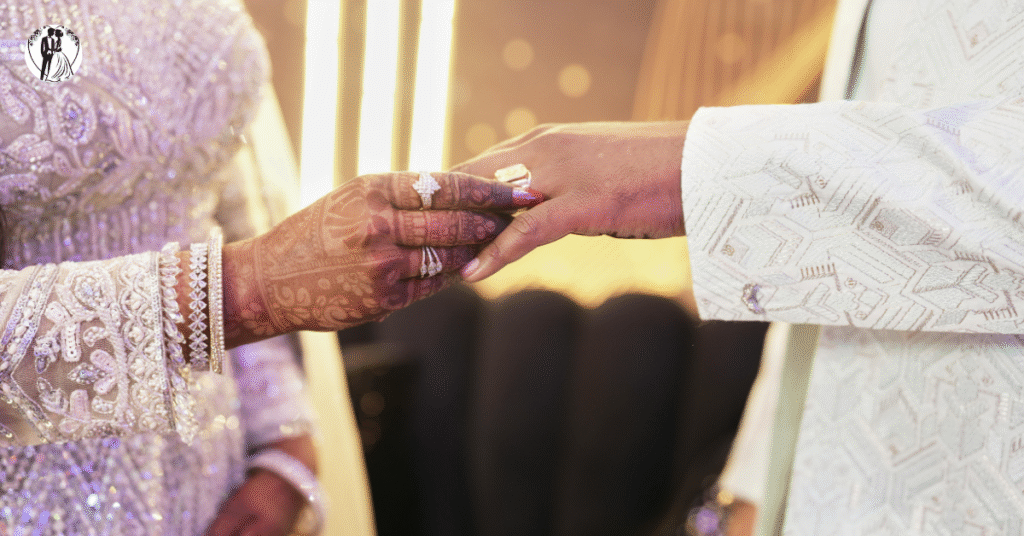
Once the couple is declared married, they exit the ceremony space together, followed by the wedding party and family. This is called the recessional, and it signifies movement from ceremony to celebration. In different cultures, this exit may include rice tossing, flower petals, bubbles, rose pathways, drummers, or joyful music.
How Modern, Cultural, and Spiritual Ceremonies Adapt the Order
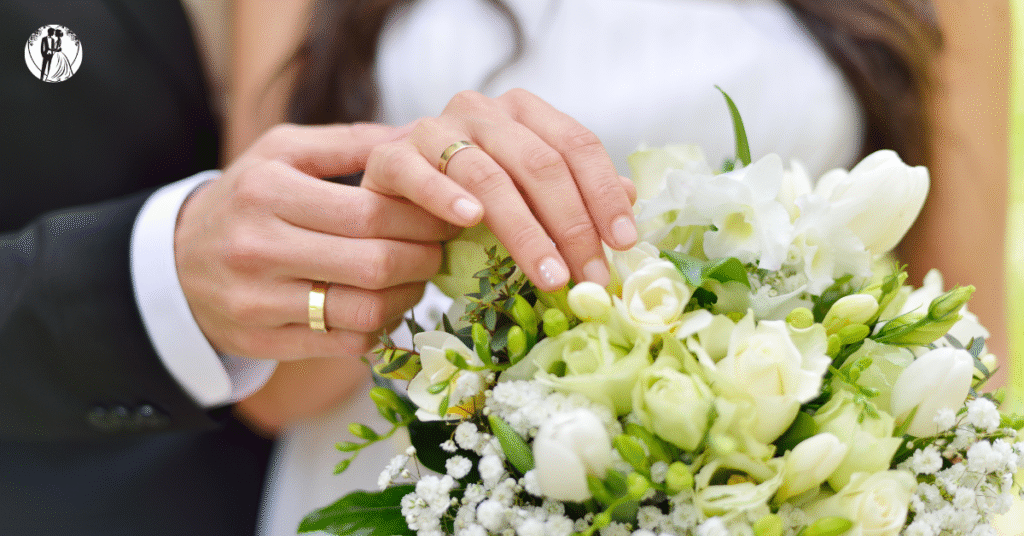
Modern weddings have become beautifully flexible. Some couples write their own structure, merge traditions from two cultures, eliminate religious elements, or add new ones. Multi-faith weddings may include two officiants. LGBTQ+ weddings often redesign roles and language to fit equality. Elopements may condense the ceremony into a deeply private experience. The ceremony order is no longer a rule it is a reflection of identity.
Final Thought
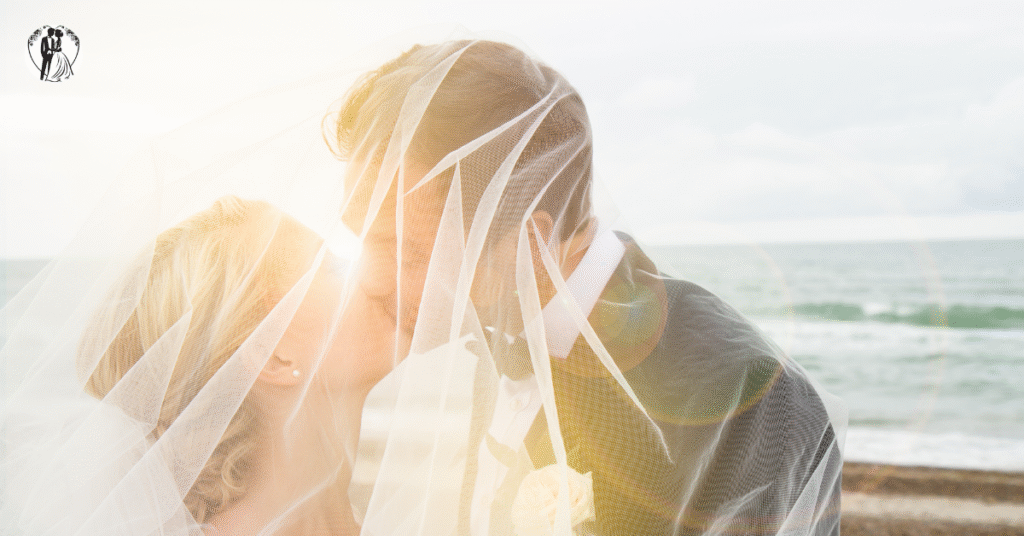
A wedding ceremony does not need to fit a template to be meaningful. Whether rooted in heritage, shaped by spirituality, centered around family, or designed for simplicity, what matters most is authenticity. The order should feel like a true expression of the couple a moment that honors the past, celebrates the present, and welcomes the future with intention and joy.