Wedding Dress Styles A Complete, Professional Guide for Every Bride
Wedding Dress Style
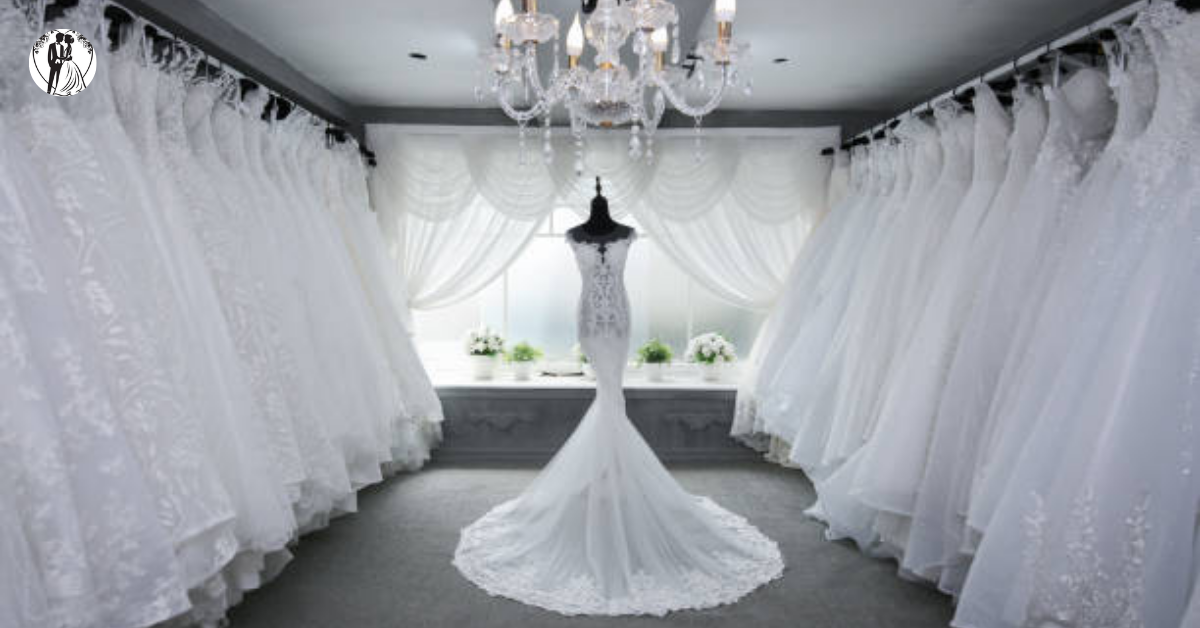
Every bride dreams of the perfect Wedding Dress Styles a gown that complements her personality, flatters her figure, and matches the theme of her big day. With countless styles, fabrics, and silhouettes, choosing the right dress can feel overwhelming. This guide breaks down every popular wedding dress style, helping you navigate options with confidence, elegance, and ease. Whether you’re planning a traditional ceremony, a modern celebration, or a destination wedding, these insights will help you find your dream gown.
A-Line Dresses
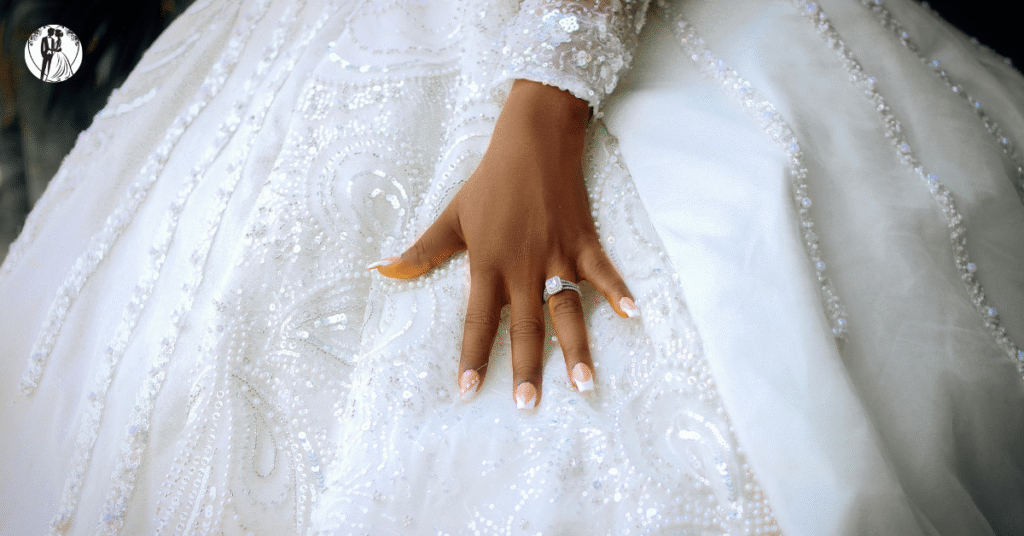
A-line dresses are timeless and flattering on nearly every body type. Named for their shape, which flares out gently from the waist like the letter “A,” these dresses offer balance, elegance, and comfort. They are versatile, suiting both formal and casual weddings, and pair beautifully with veils, belts, or statement jewelry.
Ball Gown Dresses
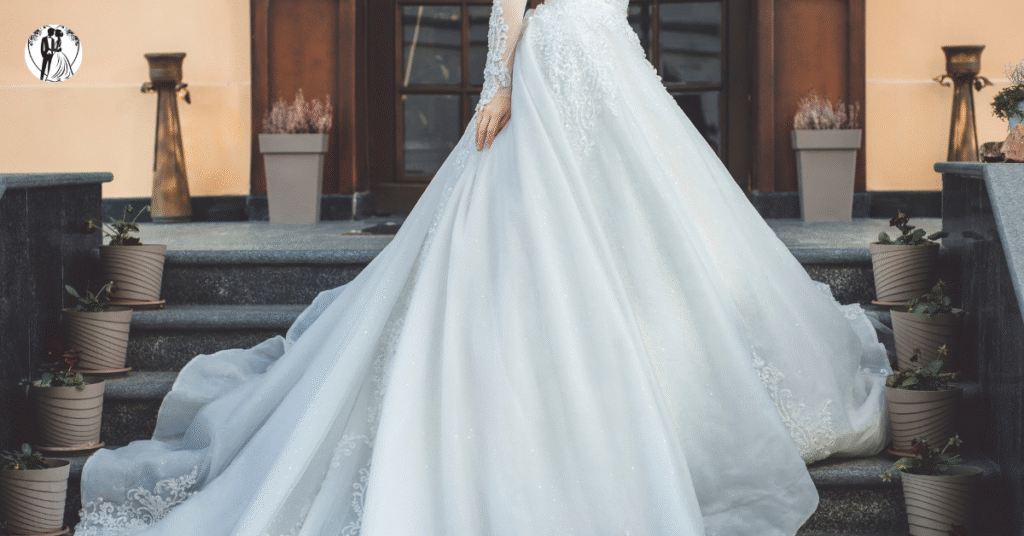
Ball gowns are the epitome of princess-style elegance. Featuring a fitted bodice and a full, voluminous skirt, these dresses create a dramatic, fairytale effect. They are ideal for formal or grand venue weddings, and the skirt can range from layers of tulle to silk or satin for different textures.
Mermaid and Trumpet Dresses
Mermaid and trumpet dresses are designed to hug the body and accentuate curves. The mermaid style flares dramatically at the knees, while the trumpet style flares mid-thigh. These gowns are perfect for brides who want a glamorous and figure-hugging silhouette that highlights the waist and hips.
Sheath and Column Dresses
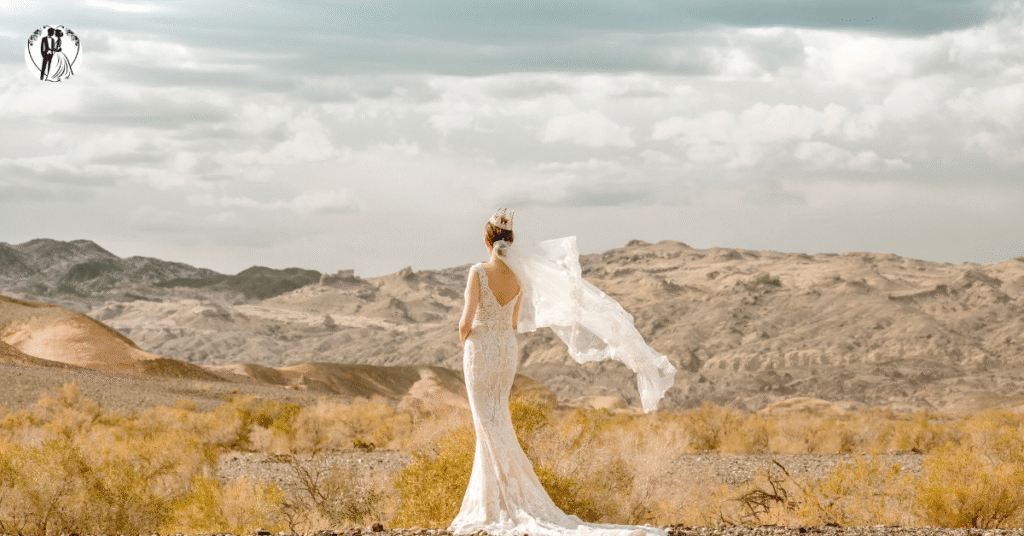
Sheath or column dresses follow a straight line from top to bottom, creating a sleek and minimalist look. Ideal for modern brides or intimate weddings, they are lightweight, easy to move in, and perfect for beach or city ceremonies. These dresses often feature subtle embellishments or lace detailing for elegance without bulk.
Empire Waist Dresses
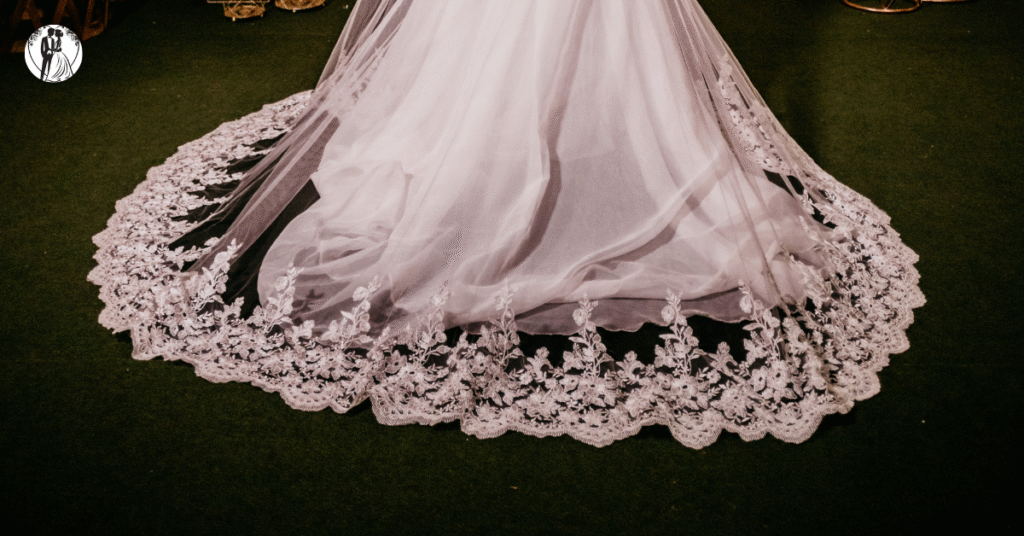
Empire waist dresses have a raised waistline, just below the bust, flowing into a long, flowing skirt. This style elongates the body and is especially flattering for petite or pregnant brides. Empire gowns work well with soft fabrics like chiffon or georgette for a romantic, ethereal effect.
Tea-Length and Short Dresses
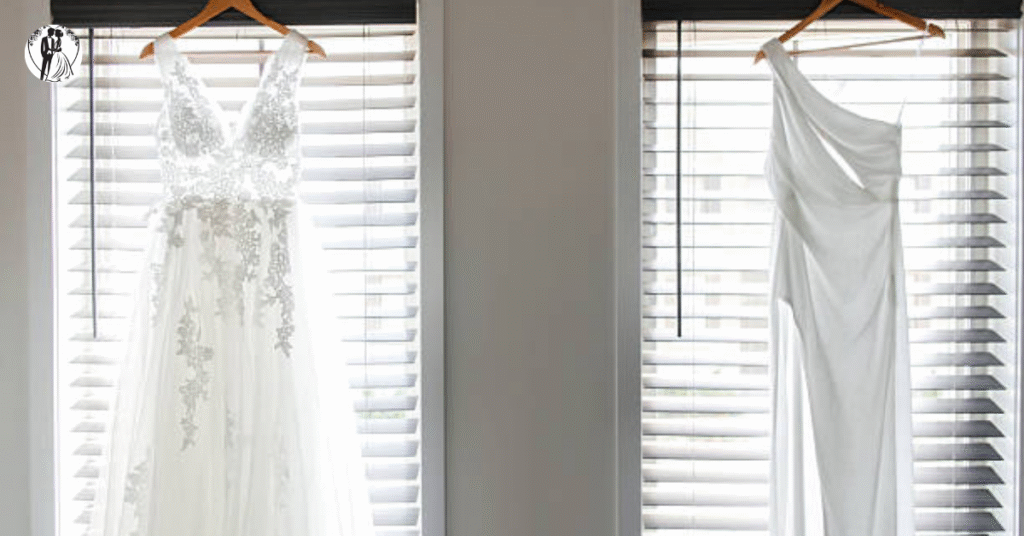
Tea-length and short wedding dresses are playful and practical. Falling between the knee and ankle, tea-length dresses are perfect for casual, garden, or retro-inspired weddings. Short dresses allow for freedom of movement and are ideal for city halls, beach weddings, or second-day celebrations.
Off-the-Shoulder and Strapless Styles
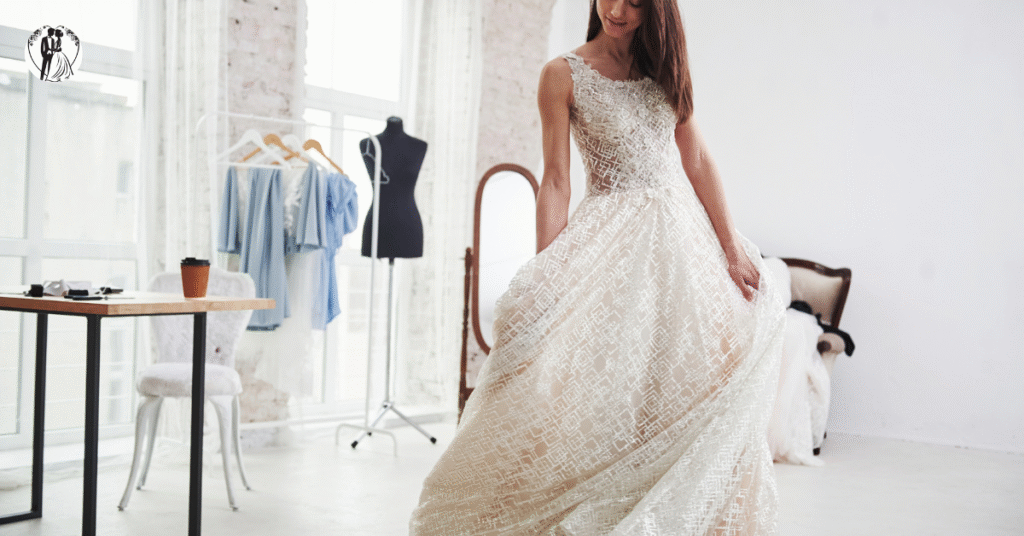
Neckline plays a crucial role in the overall look. Off-the-shoulder and strapless dresses highlight the collarbone and shoulders, offering a balance of elegance and sensuality. These styles are best suited for brides comfortable showing skin while maintaining sophistication. Pair with statement necklaces or delicate straps for extra charm.
V-Neck and Sweetheart Necklines

V-neck and sweetheart necklines elongate the neck and accentuate the décolletage. Sweetheart necklines create a romantic heart-shaped effect, while V-necks offer a modern, slimming appearance. Both are versatile and can be combined with A-line, ball gown, or mermaid silhouettes for a flattering overall look.
Long Sleeves and Illusion Sleeves
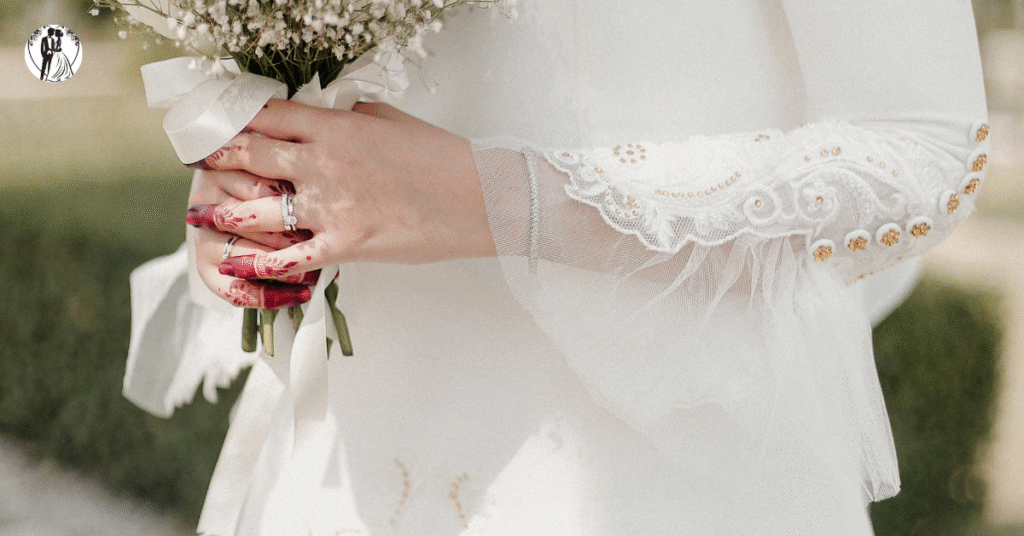
Long sleeves can add sophistication, modesty, or drama to a wedding gown. Illusion sleeves, made with sheer lace or tulle, offer coverage without compromising on style. This option is popular for fall and winter weddings, church ceremonies, or brides who prefer a regal appearance.
Back Details and Open-Back Dresses

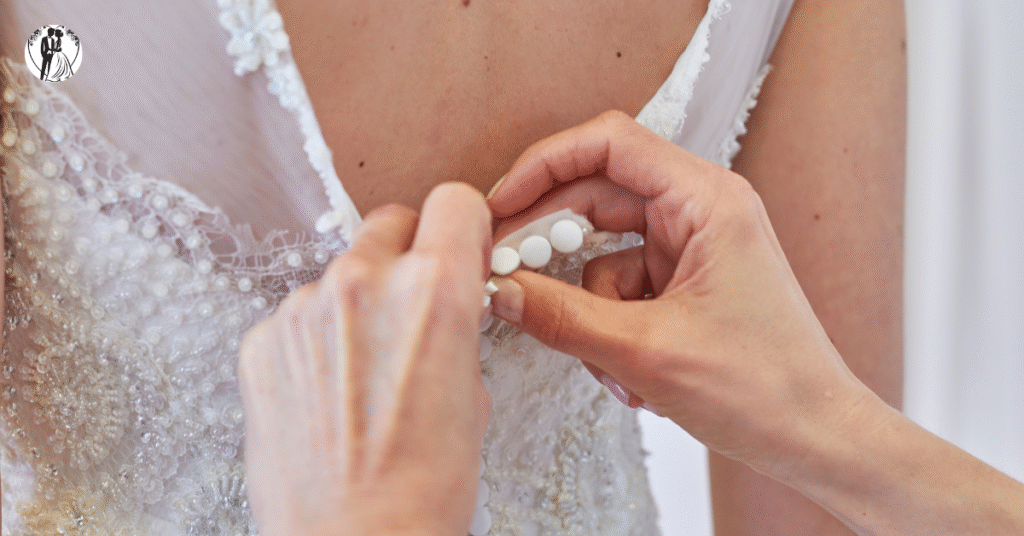
The back of a wedding dress is just as important as the front. Open-back, keyhole, lace-up, or buttoned-back designs add visual interest and elegance. These styles create memorable photographs and can be customized with embellishments, embroidery, or beading for a personalized touch.
Fabric Choices and Their Impact
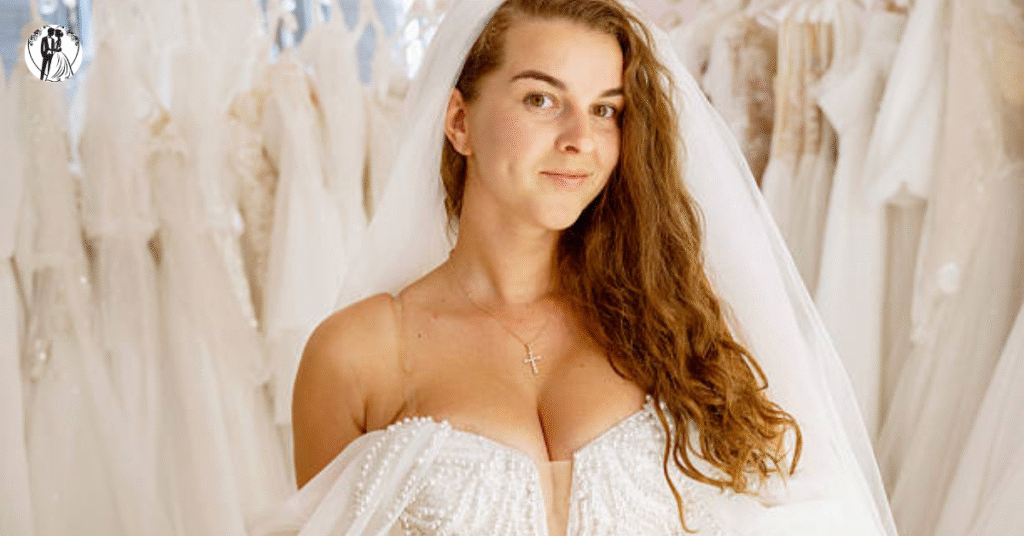
The fabric of a wedding dress affects both comfort and appearance. Satin and silk provide a smooth, structured look, while chiffon and tulle add lightness and movement. Lace offers romance and timeless appeal, while organza creates volume and texture. Choosing the right fabric ensures the gown complements the venue, season, and wedding style.
Accessorizing Your Dress
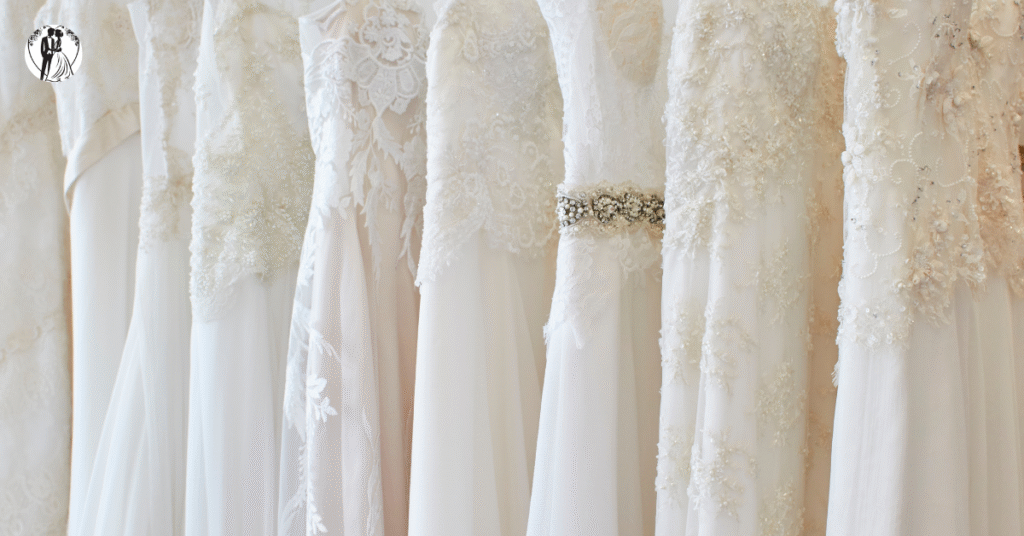
Accessories complete the bridal look. Veils, belts, jewelry, gloves, and shoes should complement the gown’s silhouette, neckline, and theme. Statement pieces work beautifully with simple dresses, while minimalist accessories enhance heavily embellished gowns. Coordinating accessories ensures a harmonious, polished look from head to toe. If you want to know about Blue and Yellow Wedding Ideas, read my other article.
Final Thought
Choosing the right wedding dress is a journey, not just a purchase. Understanding styles, silhouettes, necklines, fabrics, and personal preferences allows every bride to find a gown that reflects her personality, flatters her body, and enhances her wedding vision. When the dress feels right, the bride radiates confidence, beauty, and timeless elegance.