The Ultimate Cookie Table Guide: A Pittsburgh Wedding Tradition (2026)
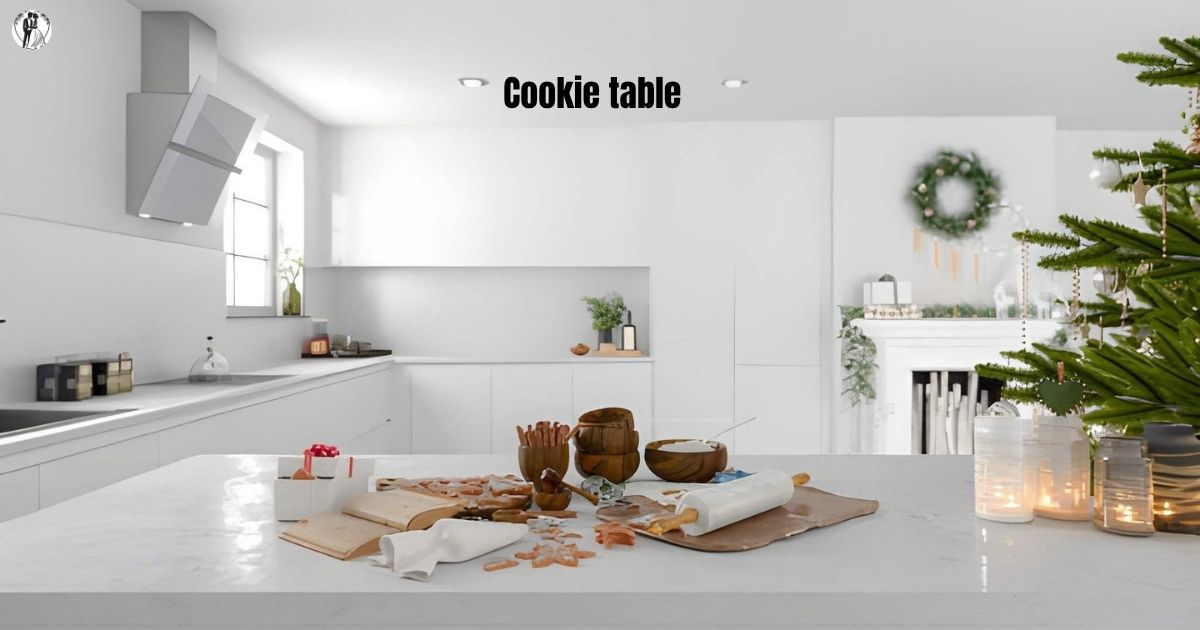
Planning a wedding menu often means choosing between cake, dessert bars, or something more memorable and a cookie table checks every box. This beloved Pittsburgh wedding tradition has spread far beyond its roots, and couples everywhere are now adding a cookie table to their reception alongside food trucks, late-night snack stations, and creative catering ideas. This guide covers everything you need to know: what a cookie table is, its history, how to plan one, the best recipes, common mistakes to avoid, and how to pair it with the rest of your wedding food and catering menu.
What Is a Cookie Table?
A cookie table is exactly what it sounds like a dedicated table at a wedding reception piled high with homemade cookies, often made by family members, friends, and the couple themselves. Unlike a simple dessert spread, a cookie table is personal. Every batch usually comes with a story, a family recipe, or a connection to someone close to the couple.
It’s different from a regular dessert platter in one key way: variety and meaning. Instead of a few uniform desserts, guests get dozens of different cookie types, often baked by a dozen or more people who love the couple.
A cookie table also tends to do double duty. It serves as:
- The dessert course replacing or supplementing the wedding cake
- A late-night snack station cookies hold up well for hours on display
- A take-home favor many couples send guests off with a small bag of leftovers
- A conversation piece guests often ask “who made this one?” and end up chatting with relatives they’ve never met
This multi-purpose nature is part of why the tradition has stuck around for generations and why it’s spreading well beyond Pittsburgh.
The History and Origins of the Pittsburgh Cookie Table
The cookie table tradition traces back to Pittsburgh’s Italian and Eastern European immigrant communities in the early-to-mid 20th century. Families who couldn’t afford an elaborate wedding cake instead asked relatives to bake their favorite cookies, turning the dessert table into a community effort.
At the time, this wasn’t about tradition for tradition’s sake it was practical. Wedding cakes were expensive, and many immigrant families pooled resources to make a celebration feel special without overspending. Aunts, grandmothers, and family friends would each contribute a few dozen cookies using recipes passed down through generations, and the result was a dessert table that represented the whole family, not just the couple.
Over time, this practical solution became a cherished tradition. What started in Italian and Eastern European households in Pittsburgh neighborhoods spread citywide, and eventually became so associated with the region that “Pittsburgh wedding” and “cookie table” are now almost synonymous in wedding planning circles. Local bakeries built entire business lines around cookie table orders, and Pittsburgh natives who move elsewhere often bring the tradition with them, introducing it to new cities and new families.
Today, many couples consider the cookie table just as important as the cake itself and some skip the cake entirely in favor of an all-cookie dessert table. It’s no longer seen as a budget workaround; it’s a celebrated centerpiece in its own right.
How to Plan Your Cookie Table: Quantity, Variety & Display
Planning a cookie table takes more coordination than ordering a cake, but it’s worth it. Here’s how to get it right from start to finish.
How Many Cookies Do You Need for Your Cookie Table?
A good rule of thumb is 2 to 3 cookies per guest. So for a wedding with 150 guests, plan for 300–450 cookies total.
Several factors affect exactly how many you’ll need:
- Whether you’re also serving cake. If the cookie table is the only dessert, lean toward 3 per guest. If it’s alongside a cake, 2 per guest is usually enough.
- How long the reception runs. Longer receptions mean more late-night snacking, so add extra.
- Whether guests are taking cookies home. If you’re offering take-home bags, plan for an additional half-cookie per guest.
- Your venue’s dessert service style. Buffet-style tables tend to “disappear” faster than plated dessert service.
Use this quick guide to estimate quantities:
| Guest Count | Cookies Needed (2 per guest) | Cookies Needed (3 per guest) |
| 50 guests | 100 cookies | 150 cookies |
| 100 guests | 200 cookies | 300 cookies |
| 150 guests | 300 cookies | 450 cookies |
| 200 guests | 400 cookies | 600 cookies |
| 250 guests | 500 cookies | 750 cookies |
Always round up. Cookie tables tend to look better overflowing than sparse, and guests often take a few extras home anyway.
Best Cookie Recipes and Flavors for a Cookie Table
Variety is what makes a cookie table special. Aim for a mix of textures (soft, crunchy, chewy) and flavors (chocolate, fruity, spiced) so there’s something for everyone.
Classic crowd-pleasers:
- Classic chocolate chip cookies
- Peanut butter cookies with a chocolate drizzle
- Oatmeal cookies with cinnamon chips
- Coconut macaroon-style cookies
Spiced and seasonal options:
- Cinnamon-spiced snickerdoodles
- Gingerbread or molasses cookies (great for fall and winter weddings)
- Pumpkin spice cookies for autumn receptions
- Lemon or citrus shortbread for spring and summer weddings
Indulgent and unique choices:
- Toffee bits cookies
- Almond or fudge-topped shortbread
- Red velvet cookies
- S’mores-style cookies with marshmallow and graham
- Strawberries and cream cookies
- Mini whoopie pies with peanut butter filling
Ask family and friends to each bring 4–6 dozen of their signature cookie, and you’ll naturally end up with a wide, personal variety without overloading any one person. It also helps to assign categories ahead of time for example, asking one aunt for something chocolate-based and another for something fruity so the final table doesn’t end up with ten versions of the same cookie.
Cookie Table Display Ideas: Labels, Signs and Setup
Presentation matters as much as taste. A few simple touches make a big difference:
- Use tiered stands or cake plates to add height and visual interest
- Label each cookie type with small cards, especially noting allergens like nuts, dairy, or gluten
- Add a sign with a personal touch, like “Grandma’s Recipe” or “Mom’s Favorite”
- Group similar cookies together rather than scattering randomly
- Include take-home bags or small boxes so guests can grab favors on their way out
- Match your table linens and signage to your overall wedding color scheme
- Add fresh flowers or greenery between trays to soften the look without taking up too much space
These small details turn a pile of cookies into a thoughtfully designed dessert table guests will photograph and talk about.
Cookie Table Themes and Seasonal Touches
While most cookie tables follow the classic “everyone bring a batch” approach, some couples build a loose theme around the season or their personal story.
- Fall weddings lean into spiced flavors like pumpkin, molasses, and maple
- Winter weddings add peppermint, gingerbread, and rich chocolate cookies
- Spring weddings bright, citrusy flavors and pastel-colored icing work well
- Summer weddings fruit-based cookies, lighter glazes, and shortbread hold up better in heat
If you want a cohesive look without sacrificing variety, consider asking bakers to use a shared color palette for icing or sprinkles, even if the cookie recipes themselves stay completely different.
Common Cookie Table Mistakes to Avoid
A few planning missteps come up again and again, so it helps to know what to watch for:
- Underestimating quantity. Always round up an empty-looking table mid-reception isn’t the look you want.
- Forgetting allergen labels. With so many contributors, it’s easy to lose track of who used nuts or dairy. Label everything.
- No clear pickup plan. Decide ahead of time who delivers cookies, when, and where they’ll be stored before the reception starts.
- Too much overlap. Without coordination, you may end up with six versions of chocolate chip and nothing else. Assign categories early.
- Skipping the take-home option. Guests often want to bring some home having bags ready avoids a last-minute scramble.
Pairing Your Cookie Table With Other Wedding Food and Catering Ideas
A cookie table works beautifully alongside other fun food stations and catering choices. Many couples are mixing tradition with modern trends pairing their cookie table with a dessert platter, a popcorn bar, or even a queso fountain for guests who want something savory before dessert.
Here’s a look at some popular wedding food and catering ideas couples are pairing with their cookie table in 2026:
| Food Station or Vendor | Type | Why Couples Love It |
| Popcorn Bar | DIY Station | Casual, customizable late-night snack |
| Queso Fountain | DIY Station | Fun, interactive savory option |
| Dessert Platter | Dessert | Adds variety beyond cookies |
| Big Hoffa’s | BBQ Catering | Slow-smoked BBQ for full dinner service |
| Wasabi Ankeny | Sushi & Japanese | Sushi rolls and Asian-inspired apps |
| Burrito Envy | Food Truck | Build-your-own burrito bar |
| South Lake Pizza | Pizza Catering | Wood-fired pizza for casual receptions |
| Forte Pizzeria | Pizza Catering | Italian-style pies and shareable apps |
| Sacred Taco | Taco Catering | Street-style tacos and salsas |
| Iberville Cuisine | Cajun/Creole | Bold, Southern-inspired flavors |
| Feast and Fareway | Restaurant Catering | Customizable plated or buffet menus |
| Arlo Kitchen and Bar | Restaurant Catering | Modern American dishes |
| Kahai Kitchen | Restaurant Catering | Globally inspired small plates |
| Tiki’s Grill & Bar | Tropical/Grill | Island-inspired flavors and cocktails |
| Dutch’s Daughter | Restaurant Catering | Comfort food classics |
| In-N-Out Truck | Food Truck | Late-night burger station |
| Horse Trailer Bar | Mobile Bar | Vintage-style drink station |
This is just a sample of the range couples are choosing from the cookie table doesn’t have to stand alone. Many receptions now feature it as the dessert anchor while a food truck or local restaurant handles dinner, and a fun station like a popcorn bar or queso fountain keeps guests snacking late into the night.
A common approach looks like this:
- Dinner plated meal or buffet from a local restaurant caterer
- Late-night station a food truck, taco bar, or burger station for guests still dancing at 10 p.m.
- Dessert the cookie table as the centerpiece, sometimes paired with a small cutting cake for photos
- Send-off snack popcorn bags or cookie favor boxes for the ride home
Cookie Table Cost: Should You Bake or Buy?
One of the biggest decisions couples face is whether to bake everything themselves (with help from family) or order from a bakery.
Baking your own cookie table:
- Lower cost overall, often just ingredients and time
- More personal, with family recipes included
- Requires coordinating multiple bakers in advance
- Best for couples with a big, willing extended family
Buying from a bakery:
- Higher cost, but far less stress
- Consistent quality and professional presentation
- Easier for couples without a large support network
- Best for couples who want the tradition without the workload
Here’s a rough budget comparison to help you decide:
| Approach | Estimated Cost (300 cookies) | Time Investment | Best For |
| Fully homemade (family-baked) | $150–$300 (ingredients only) | High — weeks of coordination | Couples with a large, willing family network |
| Hybrid (family + bakery fill-in) | $300–$600 | Moderate | Couples who want tradition without overloading relatives |
| Fully bakery-ordered | $600–$1,200+ | Low | Couples short on time or family support |
Many couples land on a hybrid approach family contributes a few signature batches, while a bakery fills in the rest for consistency and volume.
Cookie Tables for Destination and Small Weddings
You don’t need a huge guest list or a hometown crowd to have a cookie table. For destination weddings, couples often:
- Ask a local bakery near the venue to recreate a few family recipes
- Ship a small batch of homemade cookies ahead of time for sentimental value, paired with locally baked cookies for the bulk of the table
- Scale the table down significantly for micro-weddings, focusing on quality and presentation over sheer volume
For smaller, more intimate weddings, a mini cookie table can still capture the same spirit even 5–6 dozen cookies from close family members keeps the tradition alive without needing dozens of contributors.
Final Thoughts
A cookie table brings something a traditional wedding cake simply can’t personal history, family involvement, and a dessert spread guests will remember. Whether you bake every batch yourself, hire a bakery, or pair it with a food truck and a fun snack station, the cookie table remains one of the most heartfelt traditions a couple can bring to their wedding day.
FAQs
How many cookies do you need for a cookie table?
Plan for 2 to 3 cookies per guest, rounding up so the table looks full and guests can take extras home.
What is the origin of the cookie table tradition?
It started with Pittsburgh’s Italian and Eastern European immigrant families, who used homemade cookies as an affordable alternative to elaborate wedding cakes.
Can I have a cookie table instead of a wedding cake?
Yes, many couples now skip the cake entirely and let the cookie table serve as their main dessert.
How far in advance should cookies be baked?
Most cookies can be baked and frozen up to a month ahead, then thawed the day before the wedding for freshness.
What other food stations pair well with a cookie table?
Popular pairings include a popcorn bar, a queso fountain, and a dessert platter for guests who want variety beyond cookies.
Is a cookie table only a Pittsburgh tradition?
It originated in Pittsburgh, but couples across the country have adopted it for its personal touch and budget-friendly appeal.
How do I keep a cookie table organized with so many contributors?
Assign cookie categories to each baker ahead of time, label everything clearly, and designate one person to manage delivery and setup on the wedding day.