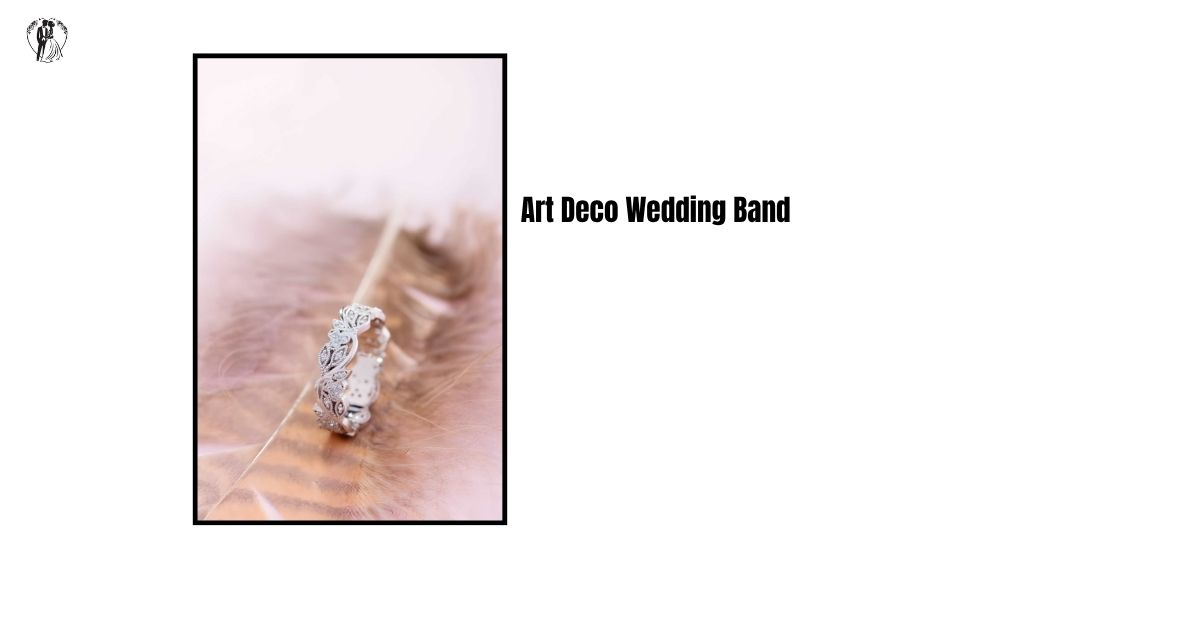
Choosing an art deco wedding band is one of the best decisions a couple can make if they want a ring that feels timeless rather than trendy. Born in the glamorous 1920s, this style has made a massive comeback in 2026, with couples drawn to its bold geometry, intricate detailing, and old-world craftsmanship. Whether you’re buying your first wedding band or adding a stacking piece to an existing collection, this guide covers everything you need to know from history and design elements to pricing, sizing, and where to buy one.
What Is an Art Deco Wedding Band?
An art deco wedding band is a ring inspired by the Art Deco design movement that flourished between the 1920s and 1930s. Unlike softer, rounded Victorian or Edwardian styles, art deco jewelry is known for sharp geometric lines, symmetry, and a “machine-age” precision that mirrored the architecture and fashion of the era.
A genuine art deco wedding band typically features:
- Clean geometric shapes (hexagons, trapezoids, chevrons)
- Baguette or step-cut stones set in straight lines
- Milgrain edging (tiny beaded detail along the metal’s border)
- Filigree work (delicate, lace-like metal patterns)
- High-contrast metal combinations, like platinum on yellow gold
Today, the term is used both for genuine antique pieces from the 1920s-30s and for new rings made in that style something we’ll break down later in this guide.
The History of the Art Deco Wedding Band (1920s–1930s)
The Art Deco movement began in France in the early 1900s and reached its peak after the 1925 Paris Exposition. It influenced everything from skyscrapers to fashion, and jewelry was no exception. After the ornate, nature-inspired Art Nouveau period, jewelers shifted toward bold symmetry and industrial-inspired shapes.
Wedding and engagement rings from this era moved away from single round stones and embraced baguette and emerald cuts, often arranged in repeating patterns. Platinum became the metal of choice because its strength allowed for thinner, more delicate settings that held stones securely without bulky metalwork.
By the 1940s, the style faded as wartime metal shortages and changing tastes took over but it never fully disappeared, and original Art Deco pieces remain some of the most sought-after antique jewelry today.
Signature Design Elements of an Art Deco Wedding Band
If you’re trying to identify (or shop for) a genuine art deco wedding band, look for these defining characteristics.
Geometric Patterns
Art Deco design avoids curves in favor of straight lines, symmetrical repetition, and angular shapes like hexagons and trapezoids. This geometric precision is the single most recognizable trait of the style.
Milgrain Detailing
Milgrain is a row of tiny metal beads pressed along the edge of a band or setting. It softens the sharp lines slightly while adding texture and a vintage finish that’s almost impossible to replicate with modern casting alone.
Filigree Work
Filigree refers to delicate, lace-like metalwork, often twisted or curled wire soldered into intricate patterns. It was originally used to reduce the weight of platinum settings while still appearing rich and detailed.
Baguette-Cut Stones
Rectangular, step-cut baguette diamonds are a hallmark of the era. They’re often used in eternity-style settings, lined up edge to edge along the band.
Best Metals for an Art Deco Wedding Band
Metal choice affects both the look and the price of your ring. Here’s how the most common options compare:
| Metal | Look | Durability | Typical Price Range |
| Platinum | Cool white, naturally hypoallergenic | Very durable, develops a soft patina | Highest |
| White Gold | Bright white (rhodium-plated) | Durable, needs replating over time | High |
| Yellow Gold | Warm, classic vintage tone | Durable, doesn’t fade | Mid-range |
| Rose Gold | Romantic pink-toned finish | Very durable (alloyed with copper) | Mid-range |
| Sterling Silver | Affordable, bright white finish | Softer, prone to scratching | Budget-friendly |
Yellow gold and platinum are the most historically accurate choices for an authentic art deco wedding band, while rose gold and silver are popular modern interpretations.
Diamond and Gemstone Options for Your Art Deco Wedding Band
The stone you choose has a big impact on both price and sparkle.
- Natural diamonds the traditional choice, offering the highest resale and emotional value but at the highest cost
- Moissanite nearly identical brilliance to diamond at a fraction of the price, increasingly popular for art deco styles in 2026
- Lab-grown diamonds chemically identical to natural diamonds, more affordable, and a popular ethical alternative
- Colored gemstones sapphires and emeralds were widely used in original Art Deco pieces and remain a striking choice today
If budget is a concern, moissanite or lab-grown diamonds let you get a larger, more detailed design (like a full eternity band) for the price of a smaller natural-diamond piece.
Types of Art Deco Wedding Bands to Choose From
Not all art deco wedding bands look the same. Here are the most popular formats:
- Eternity bands stones set continuously around the entire band
- Half-eternity bands stones across the top half only, more affordable and comfortable for daily wear
- Two-tone bands combining white and yellow gold for contrast, a very period-accurate look
- Stacking bands slim bands designed to be worn together with an engagement ring or other bands
- Curved or contour bands shaped to fit snugly against a solitaire engagement ring
Why Choose an Art Deco Wedding Band Over a Modern Style?
Beyond aesthetics, an art deco wedding band tends to hold its character better over decades the intricate detailing was built to be admired up close, and the designs rarely look dated since they’re already “vintage” by nature.
Art Deco Wedding Bands for Men
While Art Deco is often associated with women’s jewelry, the era also produced striking men’s bands wide, flat profiles with engraved geometric patterns or subtle milgrain edging. In 2026, demand has grown for unisex and men’s art deco wedding bands, including searches for a gay men’s ring with vintage detailing, as more couples look beyond traditional plain bands for something with texture and history. Popular men’s options include:
- Wide flat bands with engraved chevron or step patterns
- Two-tone designs combining yellow gold and platinum
- Sterling silver or white gold bands with subtle milgrain trim
How to Style and Pair Your Art Deco Wedding Band
Pairing With an Engagement Ring
A curved or contoured art deco wedding band is the best option if your engagement ring has a solitaire setting, since it hugs the stone without gaps. Straight bands pair well with halo or vintage-style engagement rings that already share Art Deco detailing.
Stacking Multiple Bands
Many couples now stack two or three slim art deco bands instead of wearing one statement ring. Mixing metals (yellow gold with platinum, for example) mirrors the two-tone combinations that were common in the original 1920s designs.
On the wedding day itself, it’s a lovely touch to have your bands carried down the aisle on a ring bearer pillow an ivory or champagne lace pillow complements the warm vintage tones of gold or rose gold art deco rings particularly well.
Vintage Art Deco Wedding Band vs Modern Reproduction
One of the biggest decisions buyers face is whether to buy a genuine antique piece or a newly made reproduction.
| Factor | Vintage Original (1920s–30s) | Modern Reproduction |
| Authenticity | Genuine period piece | Inspired by the style, newly crafted |
| Price | Higher, especially for documented pieces | Generally more affordable |
| Condition | May show wear, requires inspection | Brand new, no wear |
| Customization | Limited (fixed size/design) | Fully customizable (metal, stone, size) |
| Availability | Rare, one-of-a-kind | Widely available |
Specialty workshops such as Ames Silversmithing are known for hand-engraving milgrain and filigree details onto custom art deco bands, giving buyers a reproduction with genuine hand-finished quality. Established retailers like David’s House of Diamonds also carry curated collections of both vintage and reproduction pieces, which is useful if you want to see and compare rings in person before committing.
How Much Does an Art Deco Wedding Band Cost?
Pricing depends heavily on metal, stone type, and whether the piece is antique or new.
- Sterling silver, cubic zirconia: $50–$200
- Gold with moissanite or lab-grown diamonds: $300–$1,200
- Gold or platinum with natural diamonds: $1,500–$5,000+
- Genuine vintage/antique pieces: $2,000–$10,000+ depending on rarity and documentation
If you’re shopping locally, a wedding band in London can often be found at a more competitive price through independent Hatton Garden jewelers compared to large chain retailers, especially for custom or reproduction art deco designs.
Is an Art Deco Wedding Band a Good Investment?
Genuine vintage pieces can hold or increase in value over time, particularly rings with documented provenance or natural diamonds. Reproductions don’t typically appreciate the same way but offer better value for everyday wear.
Caring for Your Art Deco Wedding Band
Because filigree and milgrain detailing is delicate, avoid ultrasonic cleaners on antique pieces a soft brush with mild soap and warm water is safest. Have prongs checked annually, especially on older rings where metal may have thinned over decades of wear.
Where to Buy an Authentic Art Deco Wedding Band
Look for retailers that specialize in either genuine antique jewelry (estate jewelers, auction houses) or reputable custom reproduction makers. Always ask for documentation on metal purity and, for vintage pieces, any available history of the ring.
Conclusion
An art deco wedding band offers something most modern rings can’t a century of design history packed into a piece small enough to wear every day. Whether you choose a genuine antique, a hand-finished reproduction, or a budget-friendly moissanite version, the geometric lines, milgrain detailing, and timeless symmetry of the style make it one of the safest, most enduring choices for 2026 and beyond. Take your time comparing metals, stones, and sellers and don’t be afraid to ask about resizing, care, and documentation before you buy.
FAQs
Is an art deco wedding band the same as a vintage wedding band?
Not always “vintage” can refer to any older era, while “art deco” specifically means the 1920s–30s geometric style.
How much is it to get a ring resized?
Resizing typically costs $50–$150, though delicate filigree or milgrain designs may cost more due to the skill required.
What are ring sizing beads?
Ring sizing beads (or sizing beads) are tiny metal beads soldered inside the band to tighten a slightly loose fit without altering the ring’s outer design or size.
Can an art deco wedding band be resized?
Yes, though intricate filigree or eternity-style bands with stones all the way around are harder to resize safely always use a jeweler experienced with antique designs.
Is moissanite a good alternative to diamond for these rings?
Yes, moissanite offers similar brilliance at a much lower cost and works especially well in larger eternity-style settings.
Do art deco wedding bands suit men too?
Yes, wide flat bands with engraved or milgrain detailing are increasingly popular among men, including same-sex couples seeking a vintage-style men’s ring.

Charlotte Pembroke is a British writer and cultural commentator who specialises in the history and evolution of the English language. Raised in Cambridge, England, she built a career around making language and communication more accessible to everyday readers through informative and engaging books. Her writing blends historical facts with modern examples, helping readers appreciate the stories behind common words and phrases. Charlotte has written for educational magazines, participated in literary conferences, and continues to research how language influences society and culture. Outside her professional work, she enjoys reading classic novels, visiting museums, and mentoring aspiring writers.
Books:
- The Hidden Stories of English Words
- Understanding Meaning in Modern Language
 Edward Whitmore
 Oliver Harrington