
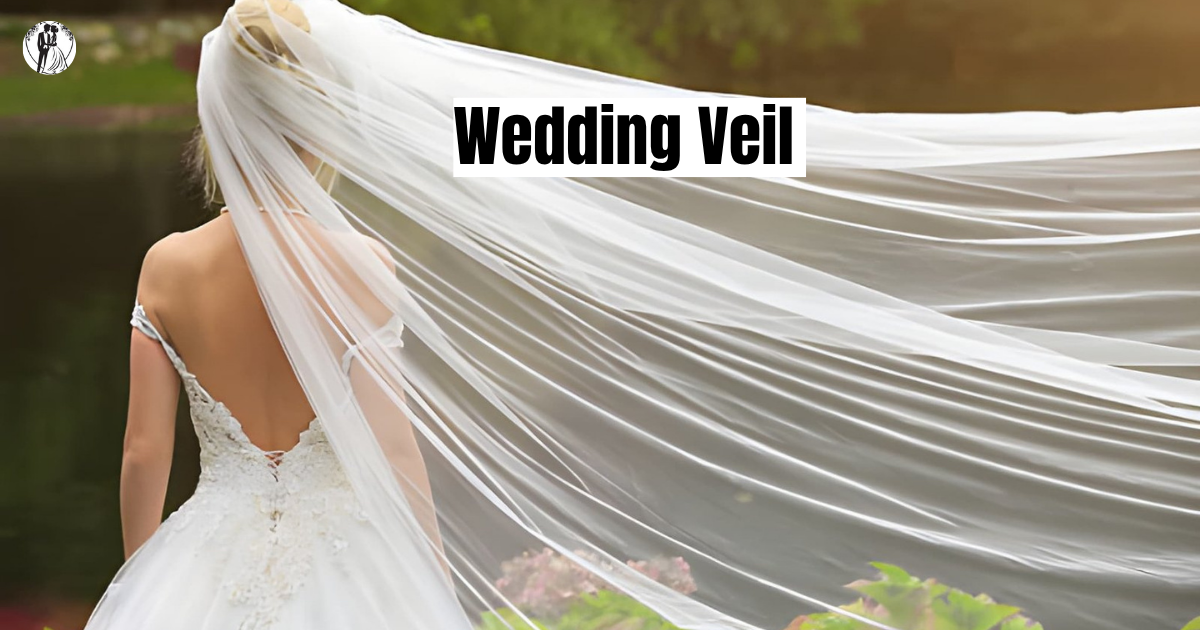
Every bride deserves that magical moment the one where she looks in the mirror and feels completely, undeniably bridal. And nothing creates that feeling quite like a wedding veil. Whether it’s a simple fingertip-length tulle or a breathtaking cathedral-length lace masterpiece, your veil is more than just an accessory. It’s the finishing touch that ties your entire look together, adds movement to your photos, and connects you to one of the most beautiful bridal traditions in history.
But here’s the truth: choosing the right wedding veil can feel overwhelming. There are dozens of lengths, styles, fabrics, and embellishments to consider and every bride’s situation is different. Your dress, your venue, your hairstyle, your height all of these things matter.
That’s why we put together this complete, easy-to-follow guide. By the end, you’ll know exactly which veil style suits your dress, your body, and your wedding day vision. Let’s get started.
What Is a Wedding Veil and Why Does It Matter?
A wedding veil is a sheer, lightweight piece of fabric most commonly tulle, chiffon, or lace that a bride wears on her head on her wedding day. It drapes over or behind the head and falls to varying lengths depending on the style chosen.
Historically, veils were worn to symbolize purity, modesty, or protection. In some cultures, they were believed to ward off evil spirits. Today, the meaning has evolved. Brides wear veils because they love the way they look, how they feel, and the timeless romance they bring to bridal photos.
Here’s why the right veil matters:
- It adds softness and movement to your silhouette
- It complements and balances your gown’s design
- It enhances your wedding photography dramatically
- It connects you to centuries of bridal tradition
- It makes you feel unmistakably bridal
A veil isn’t required, but for the brides who choose to wear one, it becomes one of the most memorable parts of their entire look
Wedding Veil Styles by Length
Understanding veil lengths is the first step to making the right choice. Each length creates a completely different look and feeling from flirty and fun to regal and dramatic.
Blusher Veil (Short Face-Covering)
The blusher is a short veil that covers the face during the ceremony. It’s often part of a two-tier veil where one layer flips back after the ceremony. This is the classic “lift the veil” moment that many brides dream of. It’s elegant, traditional, and works beautifully in formal church weddings.
Shoulder & Elbow Length Veil
These shorter lengths sit right around the shoulder or fall to the elbows. They’re perfect for brides who want to look bridal without too much drama. Elbow-length veils pair especially well with A-line and ballgown silhouettes.
Fingertip Length Veil
One of the most universally flattering and popular choices, the fingertip veil falls right where your fingers rest at your sides. It complements almost every dress style, gives you full freedom of movement, and looks gorgeous in photos. If you’re not sure which length to pick, this is your safest and most stylish bet.
Knee & Ballet (Waltz) Length Veil
Falling between the knees and ankles, the waltz or ballet veil gives a romantic, flowing look without being overly formal. It’s dreamy but practical ideal for brides who plan to dance freely at their reception.
Chapel Length Veil
The chapel veil extends just beyond the hem of your gown typically around 90 inches. It’s the sweet spot between elegance and grandeur. Long enough to look absolutely stunning, but not so dramatic that it requires a team to manage. It suits semi-formal and formal weddings beautifully.
Cathedral Wedding Veil
The cathedral wedding veil is the queen of all veil lengths. Measuring anywhere from 108 to 120+ inches, it trails dramatically behind you as you walk down the aisle. It’s the definition of bridal grandeur perfectly suited for large churches, formal ballrooms, and grand venues. If you’ve always imagined a jaw-dropping entrance, this is the one. It pairs best with A-line or ballgown wedding dresses and is particularly stunning with lace overlays.
| Veil Length | Approx. Length | Best For |
| Blusher | 20–30 inches | Traditional ceremonies, formal church weddings |
| Shoulder | 20–25 inches | Simple, intimate look |
| Elbow | 25–30 inches | A-line, ballgown silhouettes |
| Fingertip | 36–40 inches | Almost all dress styles, universally flattering |
| Knee/Ballet | 45–60 inches | Romantic look, dancing-friendly |
| Chapel | 85–95 inches | Semi-formal to formal weddings |
| Cathedral | 108–120+ inches | Grand, formal ceremonies, dramatic entrances |
How to Choose the Right Veil for Your Wedding Dress Style
Your dress and your veil are a team. They need to work together, not compete with each other. Here’s how to match them perfectly.
Ballgown Dresses
Ball gowns have volume and drama built right in. A cathedral wedding veil or a long chapel veil enhances this silhouette beautifully. The length adds to the grandeur without fighting the dress’s natural volume.
A-Line Dresses
A-line gowns are universally flattering and work with almost every veil length. Fingertip, chapel, or cathedral lengths all look stunning. The key is proportion if your dress has a long train, go longer with your veil too.
Sheath or Column Dresses
Sleek, fitted dresses look best with veils that don’t add too much volume. A fingertip or chapel-length veil in soft tulle complements this minimalist silhouette without overwhelming it.
Mermaid & Trumpet Dresses
The dramatic flare at the bottom of these gowns pairs well with a cathedral or chapel veil. Avoid very short veils as they can make the overall look feel unbalanced.
Tea-Length or Vintage Dresses
For shorter, vintage-inspired gowns, a blusher, birdcage, or elbow-length veil fits the aesthetic perfectly. Long veils can overpower a tea-length dress.
Quick Tips for Matching Veil to Dress:
- If your dress has a busy embellishment (beading, heavy lace), choose a simple, plain veil
- If your dress is simple and minimal, you can go bold with your veil lace edging, appliqués, or embroidery
- Match the fabric of your veil (tulle, organza, silk) to the weight of your dress
- Always try the veil on with your actual dress photos online don’t tell the whole story
Types of Wedding Veils: A Complete Style Guide
Beyond length, there are distinct veil styles that each bring their own personality. Understanding these styles helps you find the look that truly matches your vision.
The Mantilla Wedding Veil
The mantilla wedding veil is one of the most beloved and timeless styles available. Originating in Spain, the mantilla is recognized by its beautiful lace edging that frames the entire veil and therefore your face. Unlike standard veils that are gathered at the crown, a mantilla lies flat against the head, starting at the crown or just behind the hairline.
The term “mantilla” comes from the Spanish word “manta,” meaning cape or cloak. It was historically worn by Spanish women during religious ceremonies and formal occasions as a symbol of modesty and elegance. Today, brides worldwide love the mantilla for its romantic, old-world beauty.
What makes the mantilla veil special:
- The lace edging frames the face softly and beautifully
- It lies flat no gathering or bunching
- It works in a single flowing piece without multiple tiers
- It suits vintage, boho, and classic bridal aesthetics
Mantilla veil lengths to consider:
- Fingertip mantilla light, easy to wear, great for garden or outdoor weddings
- Chapel mantilla floor-grazing, suits formal and semi-formal venues
- Cathedral mantilla dramatic, extended train, perfect for grand church ceremonies
Styling tips for the mantilla veil:
- Position it at the crown or just 2 inches behind your hairline
- Wear your hair pulled back or in a sleek bun the lace framing is the star
- Secure with a comb or discreet bobby pins
- Ask your hairdresser to help you position it on the day
The mantilla is the ideal choice if you love heritage, lace craftsmanship, and that breathtaking, timeless photograph of you walking down the aisle.
The Cathedral Wedding Veil (In Detail)
We mentioned this above, but the cathedral wedding veil deserves its own deep dive because it’s truly in a category of its own.
At 108 to 120+ inches, this is the longest standard veil available. It was designed specifically for grand, formal ceremonies in you guessed it cathedrals. The sheer length creates a sweeping train effect behind the bride, often rivaling the length of the dress train itself.
Why brides choose a cathedral veil:
- Dramatic aisle entrance that photographs magnificently
- Adds regal elegance and grandeur to the bridal look
- Elongates the figure and creates a sweeping silhouette
- Makes the ceremony feel truly grand and unforgettable
Cathedral veil styles within the category:
- Plain cut-edge cathedral veil clean, modern, minimalist
- Lace-edged cathedral veil romantic and ornate
- Mantilla-style cathedral veil full lace throughout, heritage-inspired
- Embroidered cathedral veil personalized with floral or bespoke designs
Is a cathedral veil right for you?
Ask yourself: Is my venue large enough to showcase this length? Is my ceremony formal? Does my dress have a long train? If the answers are yes, a cathedral veil will give you the most breathtaking bridal entrance imaginable.
Keep in mind that cathedral veils require help to manage a maid of honor or bridal attendant should be ready to help bustle or detach the veil after the ceremony.
The Mantilla vs Cathedral Veil: Key Differences
| Feature | Mantilla Veil | Cathedral Veil |
| Origin | Spanish tradition | Formal church ceremonies |
| Length | Variable (fingertip to cathedral) | 108–120+ inches |
| Lace | Full lace edging throughout | Optional lace edge |
| Drape | Lies flat on head | Gathered at crown |
| Best Dress Match | A-line, sheath, vintage | Ballgown, A-line |
| Formality | Moderate to high | High/Very Formal |
| Ideal Venue | Church, garden, destination | Cathedral, grand ballroom |
Wedding Crowns with Veil: The Perfect Pairing
One of the most stunning bridal accessory combinations is wedding crowns with veil. When paired thoughtfully, a crown and veil create a look that is royally beautiful and completely unforgettable.
How to pair a crown with your veil:
- Tiara or mini crown with a cathedral veil This is the royal bridal look. Think Grace Kelly, Princess Diana. The tiara sits at the front, and the veil is tucked underneath at the back. Regal, timeless, dramatic.
- Floral crown with a mantilla veil For boho and garden brides, a soft flower crown combined with a lace-edged mantilla is absolutely dreamy. Keep the lace delicate and the floral crown understated so neither overpowers the other.
- Jeweled crown with a chapel veil A statement headpiece with a chapel-length veil hits the perfect balance between bold and beautiful. The veil doesn’t overpower the crown, and the crown adds sparkle without being too much.
- Simple gold band crown with a fingertip veil Modern, minimalist, and effortlessly chic. This pairing works for contemporary and intimate weddings.
Tips for wearing wedding crowns with a veil:
- Secure the crown first, then attach the veil underneath or behind it
- Make sure your hairdresser knows you’ll be wearing both it changes how they style your hair
- Choose metals that match: silver crown with silver comb, gold with gold
- If your crown is heavily embellished, keep the veil simple and vice versa
Other Considerations When Picking a Wedding Veil
Your Hair Style Matters
The way you wear your hair significantly affects how a veil looks and sits. Here’s what to keep in mind:
- Updo (bun or chignon) Works best with cathedral, chapel, or fingertip veils; the neck and back are visible so the veil drapes beautifully
- Half-up, half-down Pairs well with fingertip or elbow-length veils; the veil sits above the loose hair
- Down and loose Works with blusher, birdcage, or shorter veils; long veils can get tangled in loose hair
- Braids A mantilla veil or a simple plain veil complements braided hair elegantly
Your Venue Sets the Tone
- Beach or outdoor garden wedding Choose lighter tulle, shorter lengths; avoid cathedral veils in wind
- Church or cathedral ceremony Cathedral or chapel veils are ideal; the architecture demands something dramatic
- Intimate or courthouse ceremony Elbow-length, blusher, or birdcage veils suit the setting perfectly
- Grand ballroom reception A chapel or cathedral veil shines in these spaces
Your Height Plays a Role
- Petite brides look proportionate in fingertip or elbow-length veils; very long veils can overwhelm a smaller frame
- Tall brides can carry off any length beautifully, including cathedral and chapel veils
- Always try veils on in your bridal shoes to judge the length accurately
Fabric Choices for the Wedding Veil
| Fabric | Look & Feel | Best For |
| Tulle | Soft, lightweight, airy | Most veil styles; universally used |
| Organza | Crisper, structured, sheer | Cathedral veils; holds shape well |
| Silk | Luxurious, fluid, expensive | High-end, couture-feel veils |
| Lace | Romantic, textured, vintage | Mantilla veils; boho & vintage brides |
| Chiffon | Flowing, soft, romantic | Destination & outdoor weddings |
Common Wedding Veil Mistakes to Avoid
Even with the best intentions, many brides make a few avoidable mistakes when choosing their veil. Here’s what NOT to do:
- Choosing a veil before finalizing your dress Always select your veil after you’ve decided on your gown
- Not trying it on with your actual dress Veils look very different on a hanger versus on you, with your dress
- Forgetting about your hairstyle If you haven’t finalized your hair, it’s hard to judge veil placement
- Ignoring your venue A cathedral veil at a beach wedding is a nightmare in the wind
- Buying online without seeing it in person Fabric quality, color, and texture vary hugely; visit a boutique if possible
- Not coordinating with your headpiece If you plan to wear a crown or tiara, make sure you try them together first
Conclusion
Your wedding veil is one of the most personal choices you’ll make for your big day. There’s no single right answer the best veil is the one that makes you feel like the most beautiful version of yourself. Whether you’re drawn to the old-world romance of a mantilla wedding veil, the breathtaking grandeur of a cathedral wedding veil, or the ethereal sparkle of wedding crowns with veil, there’s a perfect option waiting for you.
Take your time. Try on multiple styles. Bring your dress photos to the boutique. And most importantly, trust your gut when you put on the right veil, you’ll know.
Happy veil shopping, bride-to-be. Your perfect aisle moment is just around the corner. ✨
FAQs
What is a wedding veil?
A wedding veil is a sheer fabric accessory worn on the head by a bride during her wedding ceremony. It can range in length from short (blusher) to long (cathedral) and is usually made from tulle, lace, or silk.
What is a mantilla wedding veil?
A mantilla veil is a Spanish-inspired bridal veil featuring lace edging around its entire perimeter. It lies flat on the head without gathering and frames the face beautifully making it one of the most romantic veil styles available.
How long is a cathedral wedding veil?
A cathedral veil typically measures between 108 and 120 inches (9 to 10 feet), creating a dramatic trail behind the bride. It’s designed for grand, formal ceremonies.
Can I wear wedding crowns with a veil?
Absolutely. Wedding crowns pair beautifully with veils. The veil is typically attached underneath the crown at the back. Tiaras with cathedral veils create a royal look, while floral crowns with mantilla veils suit boho brides.
What veil length suits a short bride?
Petite brides look most proportionate in fingertip or elbow-length veils. Very long veils like cathedral length can overwhelm a smaller frame, though it’s ultimately about personal preference.
How do I attach a wedding veil?
Most veils come with a comb sewn in. Slide the comb into your hair at the desired position and secure with bobby pins if needed. A hairdresser will help position and secure it properly on your wedding day.
Should my veil match my dress exactly?
Your veil should be the same tone as your dress pure white with white, ivory with ivory, champagne with champagne. It doesn’t need to be an exact fabric match, but the color tone should be consistent.
