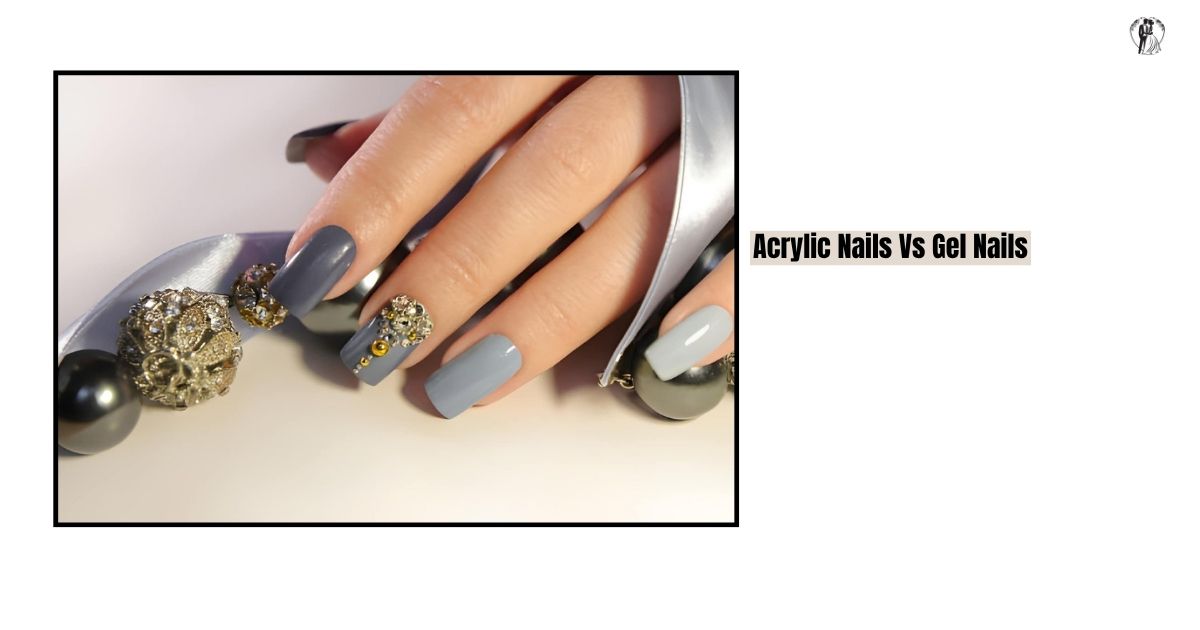
If you’ve ever sat in a nail salon and stared blankly at the menu, you’re not alone. The acrylic nails vs gel debate is one of the most common questions beauty lovers ask and honestly, it’s not as confusing as it sounds. Both are popular nail enhancements, both give you longer, stronger, and more beautiful nails but the way they work, feel, and last is very different.
In this complete guide, we’ll break down everything you need to know about acrylic vs gel nails from application and cost to nail health and removal so you can walk into any salon with full confidence.
What Are Acrylic Nails? (Definition, Application & Benefits)
Acrylic nails are one of the oldest and most popular nail enhancement options available. They are created by combining two products: a liquid monomer and a powder polymer. When these two are mixed together, they form a thick, dough-like paste that can be shaped and sculpted onto your natural nail or a nail tip.
Once applied, acrylic nails harden on their own they don’t need any UV or LED light to cure. They air-dry as they’re being applied, which is why nail technicians have to work quickly and precisely.
How Are Acrylic Nails Applied (Step-by-Step)
- Nail prep The natural nail is lightly filed and cleaned to remove oils
- Tip application A plastic nail tip is glued on (if length is needed)
- Mixing the product Liquid monomer and powder polymer are combined into a bead
- Sculpting The mixture is applied and shaped onto the nail
- Air drying Acrylics cure naturally in the air
- Filing & buffing The nail is shaped and smoothed
- Polish or top coat Color or nail art is applied on top
Pros and Cons of Acrylic Nails
Pros:
- Extremely strong and durable
- Great for adding dramatic length and shape
- Cheaper initial cost
- Easy to repair if one breaks
- Works well for nail art and custom designs
Cons:
- Strong chemical odor during application
- Requires aggressive filing can thin natural nails over time
- Less natural-looking finish
- Higher risk of fungal infection if water gets trapped underneath
- Removal needs acetone soak (20–30 minutes)
Best Candidates for Acrylic Nails
Acrylic nails are best for people who:
- Want extra-long or dramatic nail shapes
- Work with their hands and need strong, hard nails
- Are on a tighter budget
- Love switching up nail art frequently
What Are Gel Nails? (Definition, Application & Benefits)
Gel nails use a special gel-based formula that is applied in layers and then cured (hardened) under a UV or LED lamp. They look incredibly natural, feel lighter on the fingers, and give a high-gloss finish that many people prefer.
There are two main types of gel nails:
- Hard gel Used for extensions and length, cannot be soaked off
- Soft gel / gel polish Used for color and overlay, can be soaked off with acetone
How Are Gel Nails Applied (Step-by-Step)
- Nail prep Nails are cleaned, buffed lightly, and cuticles are pushed back
- Base coat A gel base coat is applied and cured under UV/LED light
- Color layers Gel color is applied in thin layers, each cured under the lamp
- Top coat A glossy or matte top coat is applied and cured
- Finishing Nails are wiped clean and moisturized
Pros and Cons of Gel Nails
Pros:
- Natural, glossy, and flexible finish
- Less harsh chemicals gentler on natural nails
- No strong odor
- Lighter and more comfortable to wear
- Less filing during application
Cons:
- UV/LED lamp exposure during curing
- More expensive per visit
- Can crack or lift if not applied properly
- Hard gel extensions cannot be soaked off must be filed
- Not ideal for extremely long, dramatic shapes
Best Candidates for Gel Nails
Gel nails are best for people who:
- Want a natural, glossy look
- Have weak or thin nails
- Prefer a low-odor experience
- Are getting nails done for a special event
- Work in water frequently (gel is more water-resistant)
Acrylic Nails vs Gel Nails: Key Differences at a Glance
Here is a side-by-side comparison to make things even easier:
| Feature | Acrylic Nails | Gel Nails |
| Curing Method | Air dry (no lamp needed) | UV/LED lamp required |
| Appearance | Less natural, matte-ish | Glossy, natural-looking |
| Flexibility | Hard and rigid | Flexible and lightweight |
| Durability | 2–3 weeks between fills | 2–3 weeks before touch-up |
| Odor | Strong chemical smell | Little to no odor |
| Cost (Full Set) | $30–$60 | $35–$75 |
| Removal | Acetone soak 20–30 min | Soak-off or file off |
| Nail Damage Risk | Higher (more filing) | Lower (less filing) |
| DIY Friendly | Difficult | More beginner-friendly |
| Best For | Length, drama, strength | Natural look, nail health |
How Long Do Acrylic vs Gel Nails Last?
One of the most common questions people ask is: which one lasts longer acrylic or gel? The honest answer is that both last roughly the same amount of time with proper care. But the type of “wear” is a little different.
Lifespan of Acrylic Nails
Acrylic nails typically last 2 to 3 weeks before they need a fill. A “fill” means going back to the salon to fill in the gap that forms as your natural nail grows out from the cuticle. With regular fills, a full set of acrylics can last 6 to 8 weeks before needing a complete removal and redo.
- First fill: 2–3 weeks after application
- Full set replacement: Every 6–8 weeks
- With proper care: Can last even longer
Lifespan of Gel Nails
Gel nails also last around 2 to 3 weeks, but they don’t have a traditional “fill” appointment like acrylics. When gel starts to grow out or chip, most people get a full removal and reapplication. Some salons do offer gel overlays that can extend the wear a little longer.
- Gel polish: 2–3 weeks
- Hard gel extensions: 3–4 weeks
- Without damage: Depends on how well nails are maintained
Which Lasts Longer?
In terms of raw durability and strength, acrylics win they are harder and less likely to bend or snap under pressure. But gel nails are more flexible, which means they are less likely to crack or break suddenly. It really comes down to your lifestyle.
Acrylic vs Gel Nails Cost Comparison
Budget plays a big role in choosing between acrylic vs gel nails. Here’s a realistic breakdown of what you can expect to pay:
Salon Pricing Breakdown
| Service | Acrylic Nails | Gel Nails |
| Full Set | $30–$60 | $35–$75 |
| Fill / Touch-up | $20–$35 | $35–$50 (full reapplication) |
| Removal | $10–$20 | $10–$15 |
| With Nail Art | $50–$100+ | $50–$100+ |
| Annual Cost (est.) | $400–$800 | $600–$1,200 |
DIY vs Professional Cost
Both gel and acrylic nail kits are available for home use. A basic gel nail kit (with LED lamp) can cost around $30–$60 and includes everything you need. An acrylic nail kit costs about $20–$50 but requires more skill and practice to use safely.
That said, professional application is always recommended especially for your first time. Incorrect application can cause air bubbles, lifting, or worse, nail damage that costs more to fix later.
Are Acrylic or Gel Nails Bad for Your Natural Nails?
This is probably the biggest concern most people have and rightly so. The truth is, both acrylic and gel nails can cause damage, but only when applied or removed incorrectly. A skilled nail technician using quality products will minimize risk significantly.
Nail Health & Damage Risks
Acrylic Nail Risks:
- Heavy filing during prep thins the natural nail plate
- Monomer liquid can cause allergic reactions (contact dermatitis) in some people
- Water trapped under the extension can lead to green nail syndrome (bacterial infection)
- Aggressive acetone removal strips nails of moisture
Gel Nail Risks:
- UV/LED lamp exposure dermatologists recommend applying SPF 30 sunscreen or wearing UV-protective gloves before gel appointments
- Peeling off gel polish (instead of soaking) causes the most damage
- Under-cured gel can cause skin irritation over time
- Hard gel must be filed off if done too aggressively, it thins the nail
Which Is Safer for Weak or Damaged Nails?
If your natural nails are already weak, thin, or damaged, gel nails are the safer choice. They require less filing during application and the removal process (when done correctly with acetone soak) is gentler on the nail plate.
Acrylic nails are safe too, but they have more room for error over-filing, harsh chemicals, and improper removal are more common issues with acrylics than with gel.
Expert Tips to Minimize Damage
- Always go to a licensed, experienced nail technician
- Never peel or forcefully remove nail enhancements at home
- Take a 1–2 week break every few months to let your natural nails breathe and recover
- Keep nails and cuticles moisturized with cuticle oil daily
- Avoid using your nails as tools opening cans, scratching stickers, etc.
- Natural nails typically recover within 4–6 weeks of removing all enhancements
Nail Art, Designs & Customization: Gel vs Acrylic
Both nail types are fantastic canvases for nail art but each has its strengths.
Can You Get Nail Art on Both?
Yes, absolutely. Both acrylic and gel nails support:
- Solid colors and French tips
- Ombre and gradient effects
- Glitter and chrome powder
- 3D nail art and embellishments
- Stamping and decals
- Hand-painted designs
Which Is Better for Nail Extensions & Shapes?
| Shape/Style | Better With |
| Extra-long stiletto | Acrylic |
| Coffin / ballerina shape | Acrylic |
| Short natural look | Gel |
| Almond shape | Both |
| Square or squoval | Both |
| Dramatic sculpted designs | Acrylic |
Acrylic nails win when it comes to sculpting extreme shapes and dramatic lengths because the product is harder and holds its shape better. Gel nails are great for shorter, more natural styles where flexibility and comfort matter more.
How to Remove Acrylic and Gel Nails Safely
Removal is where most nail damage actually happens not during application. Rushing the process or doing it incorrectly is the number one cause of thinned, peeling, or damaged natural nails.
Acrylic Nail Removal Process
- Clip or file down the length of the acrylic nails
- Lightly buff the surface to break the shine
- Soak cotton pads in 100% pure acetone
- Wrap each finger in foil with the soaked cotton pad
- Wait 20–30 minutes for the acrylic to fully soften
- Gently push off the softened acrylic with a cuticle pusher
- Buff, moisturize, and apply cuticle oil
Gel Nail Removal Process
- Lightly buff the top coat to break the seal
- Soak in acetone (foil method) for 10–15 minutes
- Soft gel will slide off easily never scrape hard
- For hard gel extensions, carefully file down the bulk before soaking
- Apply nourishing nail oil after removal
Can You Remove Them at Home?
Technically yes but it’s always better to have them removed professionally, especially acrylics. Home removal done incorrectly is the leading cause of nail damage. If you must do it at home, always use the foil-soak method and never pry, pull, or force the product off.
Which Should You Choose Gel or Acrylic Nails?
Now for the big question. Here’s a simple breakdown based on your personal situation:
For Nail Biters or Weak Nails
Go with gel nails. They are gentler, require less filing, and don’t involve as many harsh chemicals. Gel acts as a protective overlay that helps you grow your natural nails underneath.
For First Timers
If this is your first time getting nail enhancements, gel nails are generally the more comfortable and beginner-friendly choice. Less odor, less filing, and easier removal make the whole experience less overwhelming.
For Weddings & Special Events
Gel nails are a popular choice for weddings because of their natural, glossy, and polished appearance. They photograph beautifully and feel comfortable throughout a long day.
For Everyday Low-Maintenance Look
If you want something strong and long-lasting that you don’t have to baby too much, acrylic nails are a solid choice. They can handle more daily wear and tear, and fills are affordable and quick.
Quick Decision Guide
| Your Priority | Best Choice |
| Natural look | Gel |
| Maximum strength | Acrylic |
| Gentle on nails | Gel |
| Dramatic length | Acrylic |
| Budget-friendly | Acrylic |
| Special occasion | Gel |
| Nail biter | Gel |
| Nail art lover | Either |
Conclusion
At the end of the day, the acrylic nails vs gel debate doesn’t have a single winner it all comes down to your lifestyle, budget, and nail goals.Choose gel nails if you want a natural, glossy look, have sensitive or weak nails, or prefer a gentler, low-odor experience. Choose acrylic nails if you want dramatic length, maximum strength, and are working within a tighter budget.Whichever you pick, always go to a licensed nail technician, take regular breaks from enhancements, and keep your nails moisturized. Healthy nails are always the best canvas no matter what you put on them.
Frequently Asked Questions
Which lasts longer acrylic or gel?
Both last approximately 2–3 weeks. Acrylics are harder and more durable under pressure, while gel nails are more flexible and less prone to sudden cracking.
Which is more damaging to natural nails?
Acrylic nails carry a slightly higher damage risk due to heavier filing and stronger chemicals. However, both are safe when applied and removed correctly by a professional.
Can I switch from acrylic to gel nails?
Yes, but it’s best to give your natural nails a break of 1–2 weeks between switching to allow them to recover before starting fresh.
Which is better for nail biters?
Gel nails are better for nail biters. They act as a protective layer over weak, short nails and are gentler during the application process.
Can I DIY gel or acrylic nails at home?
Gel nail kits with LED lamps are more beginner-friendly for home use. Acrylics require more skill and practice. Always follow instructions carefully and avoid skipping steps to prevent damage.

Charlotte Pembroke is a British writer and cultural commentator who specialises in the history and evolution of the English language. Raised in Cambridge, England, she built a career around making language and communication more accessible to everyday readers through informative and engaging books. Her writing blends historical facts with modern examples, helping readers appreciate the stories behind common words and phrases. Charlotte has written for educational magazines, participated in literary conferences, and continues to research how language influences society and culture. Outside her professional work, she enjoys reading classic novels, visiting museums, and mentoring aspiring writers.
Books:
- The Hidden Stories of English Words
- Understanding Meaning in Modern Language
 Edward Whitmore
 Oliver Harrington