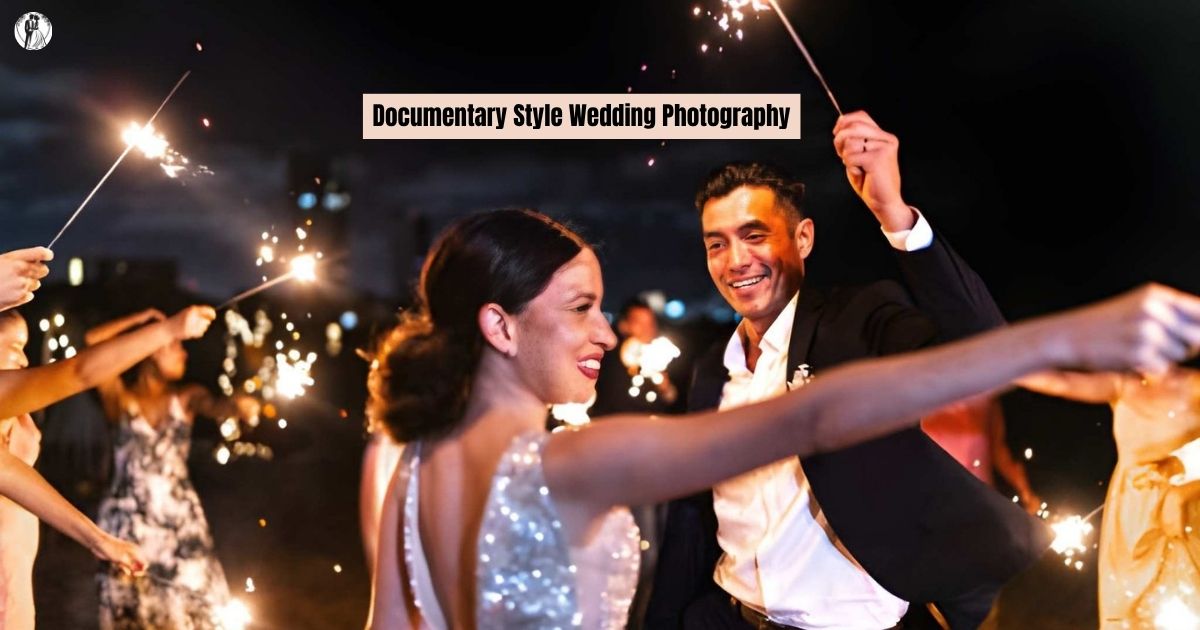
Weddings move fast. The vows are said once, the first dance happens once, and the look on a father’s face as he sees his daughter in her dress only happens once. This is exactly why documentary style wedding photography has become one of the most requested photography styles for couples planning their big day in 2026. Instead of pausing the celebration for posed pictures, this approach quietly follows the day as it actually unfolds, capturing real laughter, real tears, and real connection.
If you’ve been scrolling through wedding photography portfolios and keep seeing the word “documentary,” you’re not imagining things. Couples today want photos that feel less like a performance and more like a memory. In this guide, we’ll break down exactly what documentary style wedding photography means, how it’s different from traditional photography, what skills a good documentary photographer needs, and how to decide if this style is the right fit for your wedding day.
What Is Documentary Wedding Photography?
Documentary wedding photography is a storytelling approach where the photographer captures events as they naturally happen, without directing poses, arranging group shots, or interrupting the flow of the day. Think of the photographer as a quiet observer rather than a director. They blend into the background, watch how the day unfolds, and press the shutter the moment something real happens.
The term comes from documentary filmmaking, where the goal is to record life truthfully rather than stage it. Applied to weddings, this means:
- No “look at the camera and smile” moments
- No stopping the ceremony to recreate a missed shot
- No long, exhausting portrait sessions that pull you away from your guests
- Genuine reactions, candid laughter, and unscripted emotion captured exactly as they happened
A skilled documentary wedding photographer doesn’t disappear from the day entirely. They are still actively working, anticipating moments before they happen, positioning themselves for the best angle, and reading the room to know where the next emotional beat will come from. The difference is that they react to your wedding instead of constructing it.
This style has grown in popularity because it produces a gallery that feels honest. Years later, when you open your wedding album, you’re not looking at a series of poses, you’re reliving the actual day, exactly as you experienced it.
Documentary vs Traditional Wedding Photography: What’s the Difference?
This is one of the most common questions couples ask once they start comparing photography styles, and it’s an important one to understand before you book anyone. Traditional wedding photography focuses on posed portraits, organized group shots, and carefully planned compositions. Documentary wedding photography focuses on candid, unscripted moments captured as they naturally occur.
Neither style is “better” in an absolute sense. They simply serve different priorities. Here’s a side-by-side breakdown to make the comparison easier:
| Feature | Documentary Wedding Photography | Traditional Wedding Photography |
| Approach | Candid, observational, unposed | Directed, posed, planned |
| Photographer’s role | Quiet observer who reacts to moments | Director who arranges shots |
| Family/group photos | Few, kept short and natural | Detailed list, organized formally |
| Time required on the day | Minimal time pulled away from guests | Dedicated portrait sessions, can take hours |
| Editing style | Natural colors, true-to-life tones | Often more polished and uniform |
| Best for | Couples who want an authentic, story-driven gallery | Couples who want classic, formal portraits |
| Emotional feel | Raw, spontaneous, in-the-moment | Composed, elegant, intentional |
Many couples today don’t pick one extreme or the other. A growing number of photographers now offer a hybrid approach, blending a short, relaxed portrait session with hours of pure documentary coverage. This gives you a handful of polished portraits for the wall, plus a full gallery of candid storytelling for the album. If you’re unsure which direction to go, ask your photographer if they offer this kind of blended coverage.
Key Characteristics of Documentary Wedding Photography Style
Not every “candid” photo qualifies as true documentary work. There are specific characteristics that define this style and separate it from photographers who simply take a few unposed shots between formal portraits.
Here’s what to look for when reviewing a documentary wedding photographer’s portfolio:
- Unposed, in-the-moment images Photos that capture genuine reactions, not “candid-style” poses that were secretly directed.
- Strong storytelling sequence A gallery that flows like a story, from getting ready in the morning to the last dance at night.
- Attention to small details Quiet, easy-to-miss moments like a grandmother wiping away a tear or kids sneaking extra cake.
- Natural, true-to-life editing Colors and tones that look real rather than heavily filtered or artificially staged.
- Minimal direction during key moments The ceremony, speeches, and first dance are captured as they happen, without “can you do that again” requests.
- A mix of wide and intimate shots Wide frames that show the full scene combined with close, emotional details.
- Black-and-white moments Many documentary photographers use black-and-white conversions for raw, emotional moments where color would be distracting.
This style is also closely connected to photojournalism, which is why you’ll often see the terms “documentary” and “photojournalistic wedding photography” used together. Both prioritize honesty over staging.
Why Choose a Documentary Wedding Photographer?
Choosing a documentary wedding photographer comes down to one core idea: you want your photos to feel like your wedding, not a styled photoshoot that happened to take place on your wedding day. Here are the biggest reasons couples are choosing this style in growing numbers:
- You get to actually enjoy your day. Instead of disappearing for an hour of posed portraits, you stay present with your guests, your partner, and the celebration itself.
- Your photos age well. Trendy poses and heavy filters can look dated within a few years. Honest, natural moments never go out of style.
- You capture emotions you didn’t even notice in the moment. Weddings move quickly, and a documentary photographer often catches reactions, glances, and small gestures that the couple themselves missed.
- Your gallery tells a complete story. Instead of a handful of formal portraits, you receive a full narrative of the day, from nervous morning preparations to the final goodbye.
- It feels less stressful. There’s no pressure to “perform” for the camera. You simply live your wedding day, and the photographer documents it.
- It reflects how modern couples actually want to remember their day. Recent industry surveys consistently show couples moving away from rigid, formal galleries toward authentic, emotionally driven coverage.
If you and your partner are the type of couple who feels awkward posing for photos, or if you simply want a gallery that feels real years from now, documentary wedding photography is built exactly for that.
The Skills Every Documentary Wedding Photographer Needs
Documentary wedding photography looks effortless in the final gallery, but it requires a very specific skill set behind the scenes. Anyone can take a photo when two people are already posed and smiling. It takes real experience to capture a genuine moment before it disappears.
Observation Over Direction in Documentary Wedding Photography
The defining skill of a documentary wedding photographer is observation. Instead of telling people where to stand or what to do, they watch the room closely, predict where the next meaningful moment will happen, and position themselves to capture it without interrupting. This requires patience, quick reflexes, and a deep understanding of how weddings naturally flow from one moment to the next.
Capturing the In-Between Moments of the Day
Some of the most treasured wedding photos aren’t from the “big” scheduled events at all. They’re from the in-between moments: a quiet exchange between the couple before the ceremony starts, a flower girl twirling in the hallway, or a best man adjusting his tie one last time. A skilled documentary photographer is always scanning for these small, fleeting details that most people walk right past.
Reading the Room: An Essential Documentary Wedding Photography Skill
Every wedding has its own rhythm and emotional tone. A great documentary photographer reads that rhythm quickly, understanding when to stay close for an emotional moment and when to step back and let a scene breathe. This sensitivity is part of what separates an experienced documentary wedding photographer from someone who simply switches their camera to a faster shutter speed.
Pros and Cons of Documentary Wedding Photography
Like any photography style, documentary wedding photography comes with real advantages and a few trade-offs worth knowing before you book.
Pros:
- Authentic, emotionally rich photos that reflect how the day truly felt
- Less time spent away from your guests for posed portraits
- A complete, story-driven gallery rather than isolated portraits
- Photos that tend to age better stylistically over time
- A more relaxed, low-pressure experience for couples who dislike posing
Cons:
- Fewer formal, “everyone looking and smiling” group photos
- Slightly less control over how individual photos turn out
- Requires hiring an experienced photographer, since the style depends heavily on skill and timing
- Some traditional family members may miss having classic posed portraits
Most couples solve the formal-portrait concern by requesting a short, simple list of must-have family photos at the start of the day, then letting the photographer shoot documentary-style for everything else. This gives you the best of both approaches without sacrificing either one.
Is Documentary Wedding Photography Right for Your Wedding?
Documentary wedding photography isn’t the right fit for every couple, and that’s perfectly okay. Here’s a simple way to think about it.
This style is likely a great fit if you:
- Want your wedding photos to feel honest and emotional rather than staged
- Feel uncomfortable or awkward posing for the camera
- Care more about capturing the full story of the day than a small set of perfect portraits
- Want to spend your wedding day actually present with guests, not pulled away for photos
- Like the look of natural, candid, photojournalistic imagery
You may prefer a more traditional approach if you:
- Want a large number of formally posed family portraits
- Have a strong vision for specific, planned photo compositions
- Prefer a more polished, uniform editing style throughout your entire gallery
If you find yourself nodding along to the first list, documentary style wedding photography is very likely the right choice for your big day.
How to Choose the Right Documentary Wedding Photographer
Once you’ve decided documentary style is right for you, the next step is finding a photographer who genuinely specializes in it, rather than someone who simply lists it as one of many styles they offer.
Here’s a practical checklist to use while researching photographers:
- Review full wedding galleries, not just highlight reels. A 20-photo portfolio can hide a lot. Ask to see a complete gallery from start to finish.
- Look for consistency. The candid, storytelling style should be present throughout the entire day, not just in a few standout shots.
- Check their experience level. Documentary photography depends heavily on timing and anticipation, which comes from real experience shooting weddings.
- Read reviews from past couples. Pay attention to comments about how comfortable couples felt and how naturally the day was captured.
- Ask about their approach to family photos. A good documentary photographer will still accommodate a short list of must-have formal shots.
- Discuss pricing and packages clearly upfront. Most couples now expect transparent pricing before reaching out, so don’t hesitate to ask directly.
Questions to Ask a Documentary Wedding Photographer Before You Book
Before signing a contract, ask these direct questions:
- How many full weddings have you shot in this style?
- Can I see a complete, unedited-to-edited gallery from a recent wedding?
- How do you handle requests for formal family portraits?
- What is your approach if the weather or venue changes last minute?
- How long after the wedding will I receive my final gallery?
A confident, experienced documentary wedding photographer should be able to answer all of these clearly and specifically, without vague or generic responses.
Final Thoughts
Documentary style wedding photography isn’t just a passing trend, it reflects a real shift in how couples want to remember their wedding day: honestly, emotionally, and exactly as it happened. Instead of a gallery full of posed smiles, you walk away with a complete story, the nervous excitement of getting ready, the quiet glance during vows, the unplanned laughter on the dance floor.
If you want photos that take you right back to your wedding day every time you look at them, this style is worth serious consideration. Take your time reviewing full galleries, ask the right questions, and choose a photographer whose documentary work genuinely moves you. Years from now, those honest, unscripted moments will be the ones you treasure most.
FAQs
What is documentary style wedding photography?
It’s a candid, unposed approach to wedding photography where the photographer captures real moments as they naturally happen, rather than directing poses or staged shots.
Is documentary wedding photography the same as photojournalistic wedding photography?
They’re closely related and often used interchangeably. Both styles prioritize honest, unscripted storytelling over posed portraits.
Will I still get formal family photos with a documentary photographer?
Yes. Most documentary wedding photographers will happily capture a short, simple list of must-have family portraits in addition to candid coverage.
How much does documentary wedding photography typically cost?
Pricing varies widely by location and photographer experience, similar to traditional wedding photography. It’s best to request pricing directly, since most photographers now list this upfront.
Is documentary style good for indoor or low-light weddings?
Yes, many documentary photographers are experienced with low-light, indoor settings and often use techniques like simple, direct flash to capture authentic moments in any lighting condition.
Can I mix documentary and traditional photography styles?
Absolutely. A hybrid approach, combining a short posed portrait session with full documentary coverage, is one of the most popular choices among couples today.
How many photos will I receive from documentary wedding photography coverage?
This depends on your photographer and coverage hours, but documentary weddings often produce large, story-rich galleries since photographers are shooting continuously throughout the day.

Charlotte Pembroke is a British writer and cultural commentator who specialises in the history and evolution of the English language. Raised in Cambridge, England, she built a career around making language and communication more accessible to everyday readers through informative and engaging books. Her writing blends historical facts with modern examples, helping readers appreciate the stories behind common words and phrases. Charlotte has written for educational magazines, participated in literary conferences, and continues to research how language influences society and culture. Outside her professional work, she enjoys reading classic novels, visiting museums, and mentoring aspiring writers.
Books:
- The Hidden Stories of English Words
- Understanding Meaning in Modern Language
 Edward Whitmore
 Oliver Harrington